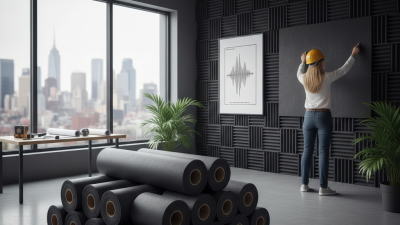
2026 Top Acoustic Isolation Membrane Trends What You Need to Know?
The demand for effective soundproofing solutions is growing. In the construction and renovation sectors, the significance of the Acoustic Isolation Membrane has gained considerable attention. According to a recent study by MarketsandMarkets, the acoustic materials market is projected to reach $22 billion by 2026, highlighting a clear trend towards innovative sound isolation technologies.
Acoustic Isolation Membranes play a key role in achieving optimal soundproofing. These membranes work by reducing sound transmission in a variety of settings, from residential buildings to commercial spaces. As urban environments grow, the need for quiet, peaceful areas rises. Yet, many solutions still fall short in real-world applications.
Despite advancements, some challenges persist. Many products promise high performance but do not deliver. Knowledge gaps exist among architects and builders regarding the latest membrane technologies. Industry reports suggest a need for better education on effective installation practices. The future of the acoustic isolation market lies in addressing these gaps and pushing for continuous innovation.
Overview of Acoustic Isolation Membranes and Their Importance
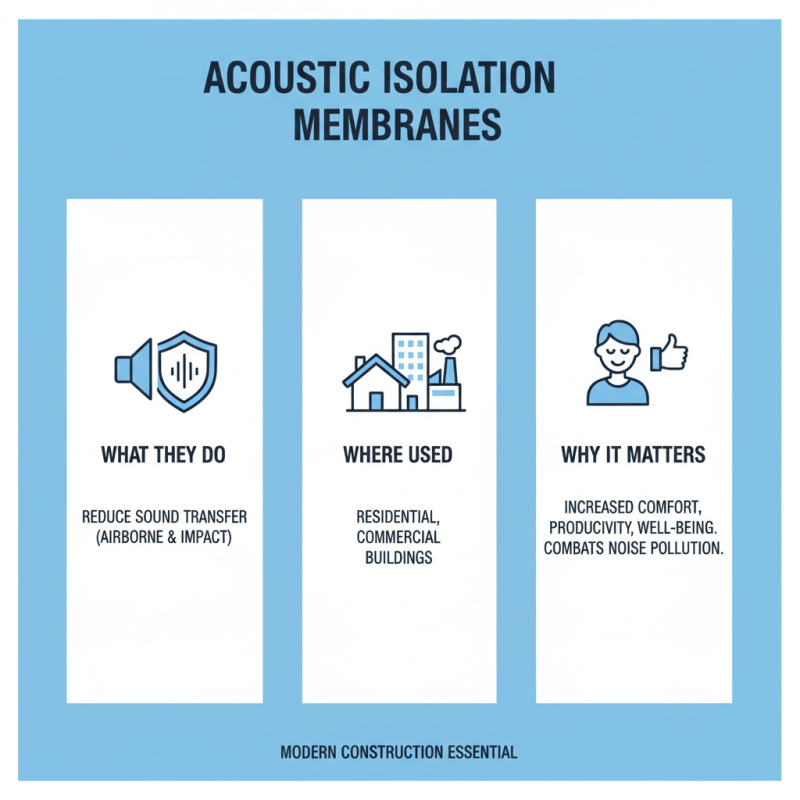
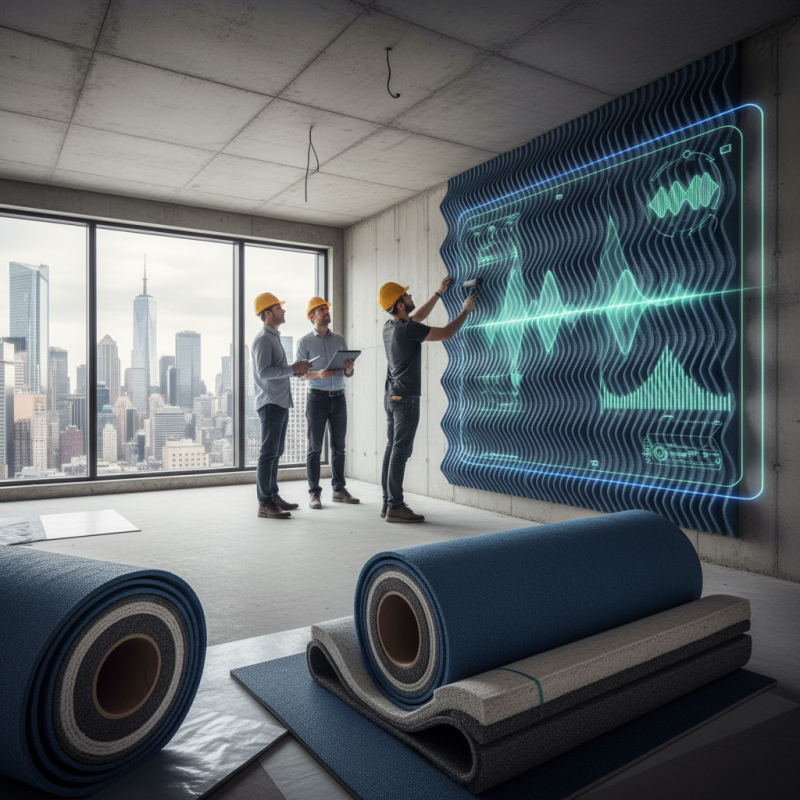
Acoustic isolation membranes are crucial in modern construction. They help reduce sound transfer between spaces. This is vital for residential, commercial, and industrial buildings. Strong soundproofing can lead to better comfort and productivity. Many people underestimate the impact of noise pollution on well-being.
These membranes work by absorbing vibrations and muffling sounds. They can be installed in walls, floors, and ceilings. The effectiveness of these membranes often varies. Some materials may not perform as expected. It's important to research and test before making a choice.
The demand for better acoustic management is rising. This points to a growing awareness of environmental factors in architecture. However, not all solutions are sustainable or viable. Balancing performance with cost and practicality remains a challenge. Addressing these concerns could lead to innovative breakthroughs in sound isolation technology.
Key Materials Used in Acoustic Isolation Membranes for 2026
In 2026, the focus on acoustic isolation membranes will intensify. Key materials will play a critical role in their effectiveness. Rubber, mass-loaded vinyl (MLV), and polymer composites are among the most prominent materials driving this trend. Research suggests that rubber-based membranes can reduce sound transmission by over 70% in some applications, making them excellent choices for residential and commercial spaces.
Moreover, MLV has gained traction due to its density and flexibility. It can achieve sound isolation properties that are vital for recording studios and home theaters. According to industry reports, the use of MLV is projected to grow by 25% by 2026. However, while these materials offer significant benefits, they also present challenges. Proper installation is crucial. Gaps can negate effectiveness, leading to frustrating results.
Polymer composites are evolving rapidly, offering lightweight yet durable options. These materials can withstand varying humidity levels, making them suitable for diverse environments. Yet, their production can be resource-intensive, prompting questions about sustainability. It's essential to balance performance with environmental impact as the industry moves forward. Each material has unique attributes and limitations, ultimately influencing their selection for specific acoustic needs.
Emerging Trends in Acoustic Isolation Membrane Technologies
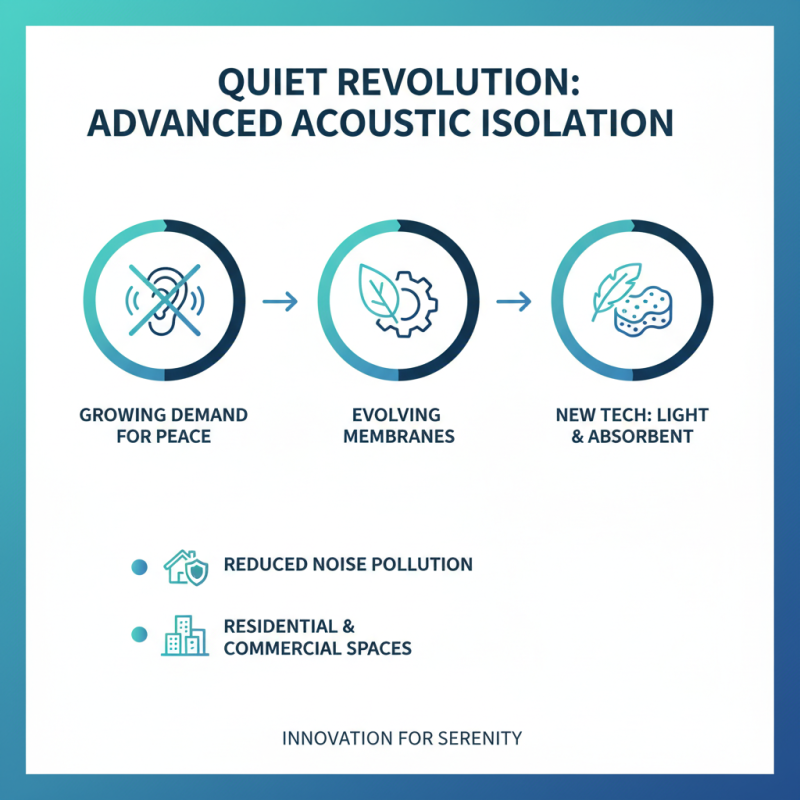
As the demand for quiet, peaceful environments grows, acoustic isolation membranes are evolving. New technologies focus on lightweight materials and improved sound absorption capabilities. These innovations promise to reduce noise pollution in residential and commercial spaces.
One emerging trend includes using eco-friendly materials. Manufacturers are exploring sustainable options that minimize environmental impact. Acoustic membranes made from recycled products offer potential solutions. They may lack some performance metrics of traditional materials, which is a critical consideration in the selection process. Testing under real conditions is essential before making decisions.
Tips for selecting the right acoustic isolation membrane: always check the sound transmission class (STC) rating. Also, think about installation ease. Sometimes, cost-effective options become expensive after installation. Ensure you understand the application areas for each type of membrane. Choices can significantly affect the overall acoustic performance.
Applications of Acoustic Isolation Membranes in Various Industries
Acoustic isolation membranes are gaining attention across various industries. These materials help reduce sound transmission, creating quieter environments. They are essential in construction, automotive, and even in residential settings.
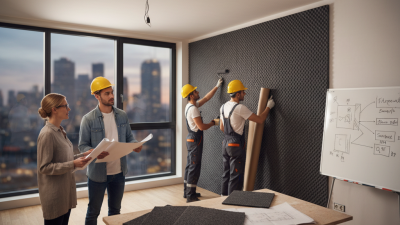
In construction, they are used in walls and floors to minimize noise between rooms. This is important in shared housing or offices where noise levels can disrupt productivity. The membranes provide a sound barrier, improving overall comfort. You can install these membranes as underlayment for added protection.
In the automotive sector, acoustic isolation enhances passenger comfort by reducing road noise. This improves driving experiences and can increase vehicle value. You might consider these membranes for any renovation project that requires soundproofing. The right application can make a difference, and it’s worth exploring.
Tip: Always check the membrane's specifications. Not every product suits every application. Consider the thickness and density, as they impact sound absorption. Testing options is crucial for achieving the best results.
2026 Top Acoustic Isolation Membrane Trends What You Need to Know
| Industry |
Application |
Trend |
Impact on Industry |
| Construction |
Flooring Systems |
Use of Eco-friendly Materials |
Improved Sustainability Practices |
| Manufacturing |
Noise Control in Factories |
Advanced Sound-Absorbing Materials |
Enhanced Worker Productivity |
| Automotive |
Interior Noise Reduction |
Integration of Multi-layer Membranes |
Increased Comfort and Luxury |
| Entertainment |
Recording Studios |
Acoustic Treatment Innovations |
Better Sound Quality |
| Healthcare |
Patient Rooms |
Use of Soundproofing Materials |
Enhanced Patient Recovery |
Future Outlook: Innovations and Challenges in Acoustic Isolation Solutions
The future of acoustic isolation solutions is both promising and challenging. Innovations in material science are opening up new avenues. Advanced membranes are becoming lighter and more effective. This can lead to significant improvements in noise control. However, the transition to these new materials isn't straightforward.
Designing effective acoustic isolation solutions presents its own difficulties. Each environment has unique challenges. Architects and engineers often struggle to balance aesthetics and functionality. Sound absorption isn't the only concern; vibration control is equally crucial. Sometimes, the solutions that work in theory fail in practice. Testing methods need refinement.
Collaboration will be key going forward. Interdisciplinary teams can foster unique solutions. Engaging with end-users can also provide valuable insights. Feedback often reveals gaps in understanding that designers may miss. As we look to 2026, the pursuit of effective acoustic isolation will require continuous innovation and a willingness to adapt.