What is an Acoustic Vent? Key Benefits and Installation Guide
In recent years, the significance of effective sound management in residential and commercial buildings has gained substantial attention, leading to the popularization of solutions such as the Acoustic Vent. An Acoustic Vent is specifically designed to promote air circulation while simultaneously minimizing noise transmission, addressing the growing concern over noise pollution and its detrimental effects on mental well-being. According to a report by the World Health Organization, prolonged exposure to high noise levels can lead to serious health issues, including stress, sleep disturbances, and cardiovascular diseases. This demonstrates the urgent need for innovative architectural solutions that balance sound insulation with ventilation.
The incorporation of Acoustic Vents not only enhances acoustic comfort but also aligns with regulatory standards aimed at improving indoor environments. The 2020 International Building Code emphasizes the necessity for adequate ventilation systems that do not compromise acoustic performance, proving that these vents are crucial in modern architectural practices. Moreover, studies indicate that implementing advanced acoustic solutions can lead to a 20-30% improvement in sound control compared to traditional ventilation methods. This underscores the essential role of Acoustic Vents in promoting healthier, quieter living spaces, making them an invaluable addition to contemporary building design.
Understanding Acoustic Vents: Definition and Functionality
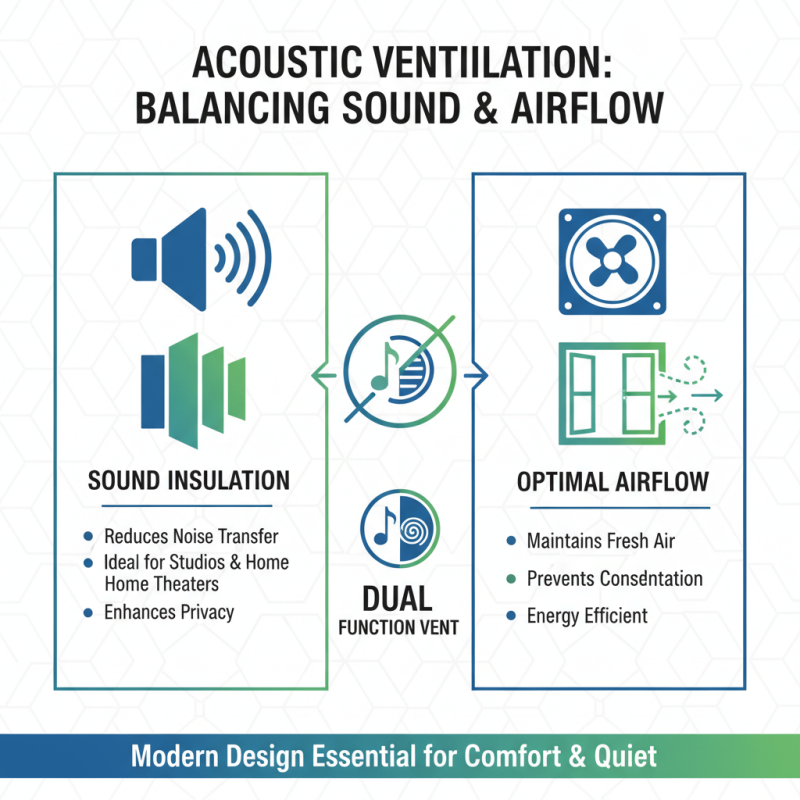
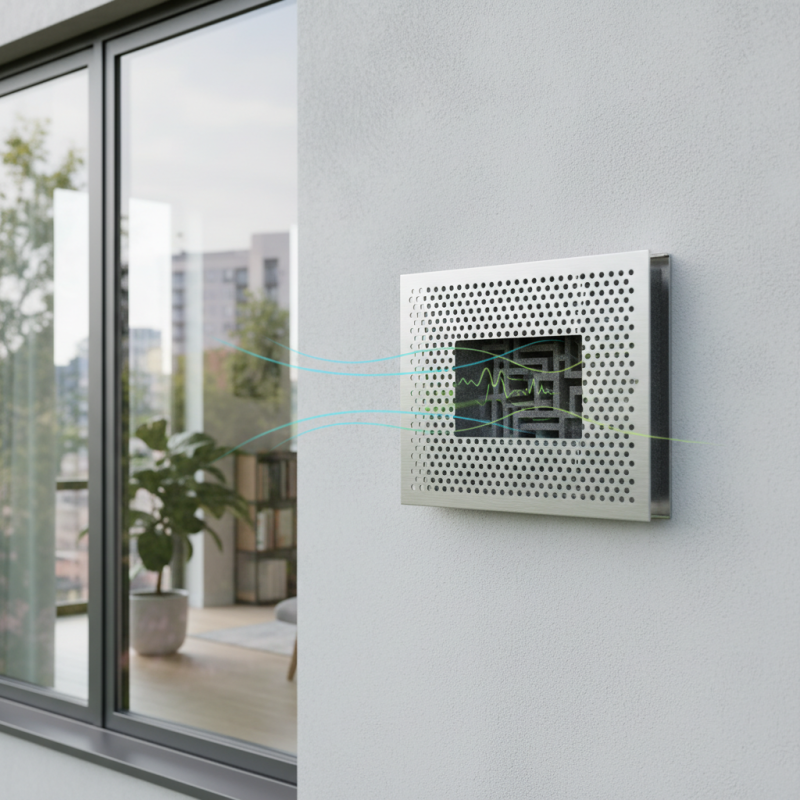
Acoustic vents are specialized openings designed to enhance sound insulation and maintain ventilation in various spaces. These vents play a crucial role in balancing the acoustic and airflow needs of a room, making them essential in environments such as recording studios, home theaters, and residential spaces where noise control is critical. By allowing air to circulate while minimizing sound transfer, acoustic vents provide a dual function that is often necessary in modern architectural designs.
The functionality of acoustic vents lies in their strategic design, which incorporates sound-absorbing materials and specific shapes to disrupt sound waves. This not only helps in reducing background noise but also improves the overall auditory experience in a room. When installed correctly, acoustic vents can significantly contribute to a peaceful environment, whether in a bustling urban location or a noisy industrial area. Their installation involves careful consideration of placement and dimensions to optimize both sound control and airflow, ensuring that the benefits are maximized without compromising the space’s overall aesthetic.
Key Benefits of Installing Acoustic Vents in Your Home
Acoustic vents offer several key benefits that can significantly enhance the comfort and tranquility of your home environment. One of the primary advantages is sound attenuation. By installing acoustic vents, you can reduce noise transfer between rooms and from outside, creating a more peaceful living space. This is especially beneficial in urban settings or for households with multiple members who may have different schedules and noise levels. These vents are designed to allow for air circulation while minimizing disturbances, making them ideal for bedrooms and study areas.
Another important benefit is improved air quality. Proper ventilation is essential to maintaining healthy indoor air, and acoustic vents help facilitate this without compromising sound insulation. They enable fresh air to flow through while keeping unwanted noise at bay. Additionally, these vents can assist in balancing humidity levels and reducing the risk of mold growth, promoting a healthier living environment. When combined with an effective HVAC system, acoustic vents prove to be a valuable investment for homeowners looking to enhance their indoor comfort while enjoying the silence they crave.
Types of Acoustic Vents: A Comparative Overview
Acoustic vents are a critical component in sound insulation and noise control within buildings. They provide the balance between airflow and acoustic performance. The two primary types of acoustic vents include passive and active systems.
Passive acoustic vents utilize sound-absorbing materials to reduce noise transmission while allowing air circulation. According to a report from the Building Research Establishment (BRE), properly installed passive acoustic vents can reduce sound levels by up to 10 dB, significantly enhancing internal comfort in residential and commercial spaces.
On the other hand, active acoustic vents incorporate mechanical components like fans and sensors to effectively manage airflow and noise levels. Research from the Institute of Acoustics indicates that active systems can adapt in real-time to changes in external noise and internal air quality, providing a dynamically adaptive solution for environments prone to variable soundscapes. By opting for the right type of acoustic vent, users can greatly improve their space’s acoustic quality while maintaining necessary ventilation, demonstrating the growing importance of such systems in modern building design.
Step-by-Step Installation Guide for Acoustic Vents
Installing an acoustic vent can significantly enhance sound control in your space, making it essential to follow a detailed step-by-step installation guide. Begin by selecting the right location for your vent, typically in areas where noise pollution is most prevalent. Ensure that the area is clean, and gather all necessary tools and materials such as a saw, screws, and the acoustic vent itself.
Next, mark the dimensions on the wall or ceiling where the vent will be installed. Cut out the designated area carefully, taking care not to damage surrounding structures.
Once the opening is prepared, fit the acoustic vent into place. Secure it with screws, ensuring it is tightly sealed to prevent any air leaks that could compromise its effectiveness. Finally, conduct a thorough inspection to verify that the installation is sound and that the vent functions correctly. This step-by-step approach will help you achieve optimal sound absorption and ventilation in your environment.
Maintenance Tips for Maximizing Acoustic Vent Performance
To ensure optimal performance of acoustic vents, regular maintenance is crucial. Start by regularly checking the vents for any dust or debris accumulation, which can obstruct airflow and negatively impact sound absorption. A simple cleaning routine using a soft cloth or a vacuum attachment will help maintain clear passages and enhance the effectiveness of the vent.
Additionally, it’s essential to inspect the seals and edges of the acoustic vents for wear and tear over time. Damaged seals can lead to air leaks, diminishing the capabilities of your acoustic system. If you notice any deterioration, promptly replace or repair the affected areas to maintain an uninterrupted sound insulation barrier. This proactive approach will not only extend the life of your acoustic vents but will also ensure they continue to function at their best. Regular professional assessments can further identify potential issues that may not be visible, guaranteeing the longevity and performance of your acoustic vent system.