What is Acoustic Vent Membrane and How Does it Work?
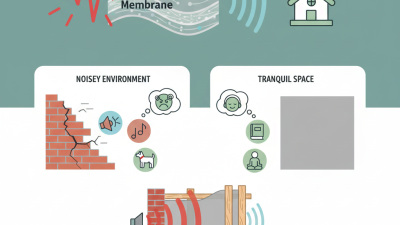
Acoustic Vent Membrane is an innovative building material designed to enhance sound insulation while allowing moisture control. It is crucial in creating comfortable living and working spaces. This membrane functions by balancing airflow and preventing unwanted noise infiltration. This balance is essential for both performance and durability of the structure.
Understanding how Acoustic Vent Membrane works helps in appreciating its role in modern construction. It is not just about noise reduction; it also safeguards against dampness. The membrane acts as a barrier, promoting a healthy indoor environment. Despite its benefits, some users may overlook the installation details, which can affect performance.
Recognizing imperfections in the application of Acoustic Vent Membrane is essential. Proper installation requires skilled professionals. Even slight misalignments can diminish its effectiveness. Learning from these challenges can lead to more reliable use in future projects. Overall, Acoustic Vent Membrane represents a significant advancement in building technology, but it requires careful consideration.

What is Acoustic Vent Membrane: Definition and Purpose
Acoustic Vent Membrane is a specialized material designed for noise reduction in construction projects. Its purpose is to provide a sound barrier, allowing air to flow while limiting sound transmission. This characteristic is crucial in urban environments where noise pollution can affect quality of life. According to a report by the International Journal of Environmental Research and Public Health, excessive noise exposure can lead to various health issues, including sleep disturbances and stress-related disorders.
Many architects and builders are incorporating Acoustic Vent Membrane into their designs. The effectiveness is often measured in decibels, with some high-quality membranes offering sound reduction ratings of up to 45 dB. This level of performance makes them suitable for residential homes near highways or busy streets. However, not all membranes provide the same level of performance; hence, material selection is critical. Some products may not meet expectations, leading to potential acoustic issues.
Tips: When choosing an Acoustic Vent Membrane, consider the thickness and material type. Not all membranes are designed for the same frequency ranges. It’s advisable to consult with professionals for optimal results. Regularly evaluate the condition of the membrane to ensure continued effectiveness. Safety and long-term functionality should always guide material selection.
What is Acoustic Vent Membrane and How Does it Work?
| Dimension |
Details |
| Definition |
Acoustic vent membrane is a specialized material designed to allow air flow while reducing sound transmission. |
| Purpose |
To prevent moisture buildup and condensation while maintaining acoustic comfort in enclosed spaces. |
| Material Composition |
Typically made of high-density polyethylene or similar water-resistant materials with sound-absorbing properties. |
| Installation Area |
Commonly used in roofs, walls, and floors of residential and commercial buildings. |
| Benefits |
Reduces external noise, controls humidity, enhances indoor air quality, and promotes energy efficiency. |
| Considerations |
Proper installation and integration with building design are crucial for optimal performance. |
Key Features of Acoustic Vent Membrane in Sound Insulation
Acoustic vent membranes are essential in modern sound insulation. They help in managing noise levels and enhancing comfort. These membranes work by creating a barrier that absorbs sound waves. Installing them properly can significantly reduce sound transmission between rooms.
Key features of acoustic vent membranes include their lightweight nature and flexibility. They can fit into various spaces without hassle. This allows for easy integration into existing buildings. Durability is another critical feature; quality membranes withstand wear and tear, making them a long-term solution.
Tips: Ensure proper installation for maximum efficiency. A poorly positioned membrane may lead to sound leakage. Regularly check for any wear to maintain effectiveness. Not all membranes are created equal. Research thoroughly to choose the right one for your needs.
How Acoustic Vent Membrane Functions in Building Applications
Acoustic vent membranes play a vital role in modern building applications. They are designed to control sound transmission while allowing for air movement and moisture control. This dual function is essential for creating comfortable living and working spaces. The membrane acts as a barrier against unwanted noise, reducing sound levels in internal areas.
In building applications, these membranes are commonly used in walls, ceilings, and floors to enhance acoustic performance. They can be installed easily during construction or retrofit projects. When applied correctly, they improve not only privacy but also overall building aesthetics.
Tip: Ensure proper installation for optimal performance. Misalignment or gaps can lead to sound leakage.
The effectiveness of acoustic vent membranes hinges on their material properties. Different materials absorb varying sound frequencies. This can lead to discrepancies in sound control. Identifying the source of noise is crucial before implementation. What works in one area may not suffice in another.
Tip: Always conduct noise assessments prior to selecting materials. An informed choice can save time and resources during installation.
Incorporating these membranes in buildings promotes energy efficiency as well. By controlling airflow, they help regulate temperature, which can reduce energy consumption. Nevertheless, careful planning is required to balance acoustic treatment with ventilation needs. In some cases, getting this balance wrong may lead to discomfort.
Comparative Analysis of Acoustic Vent Membrane and Other Materials
Acoustic vent membranes are increasingly popular in the construction industry due to their unique soundproofing properties. They are designed to diffuse sound waves effectively, reducing noise transmission. This is particularly valuable in urban environments where noise pollution is significant. According to a report by the International Journal of Acoustic Materials, these membranes can reduce sound transmission by up to 30 decibels when properly installed.
When comparing acoustic vent membranes to traditional materials like fiberglass or foam, the differences are notable. Fiberglass is often used but has limitations in sound absorption at certain frequencies. In contrast, acoustic vent membranes provide broader sound attenuation across various frequencies. A study from the Sound and Vibration Institute indicates that these membranes can outperform fiberglass by 50% in specific applications.
Tips: Always consider the specific noise levels in your area. Not all membranes suit every situation. Invest time in research to choose the right material based on your acoustic needs. Some installations may require additional layers to maximize sound blocking, so plan accordingly.
Industry Standards and Performance Metrics for Acoustic Vent Membrane
Acoustic vent membranes are specialized materials that play a crucial role in sound insulation. These membranes must meet rigorous industry standards to be effective. According to the International Organization for Standardization (ISO), a high-performance acoustic vent membrane can reduce airborne sound transmission by up to 50 decibels. This performance metric is significant, especially in settings where noise reduction is paramount, such as residential and commercial buildings.
Testing often includes compliance with A-weighted sound reduction index (Rw) ratings, which indicate effectiveness across various frequency ranges. A membrane that achieves an Rw rating of 45 or higher is considered adequate for most acoustic applications. Additionally, many membranes now undergo standard fire safety tests, ensuring they do not compromise building safety.
While many membranes show impressive performance in controlled environments, real-world applications frequently reveal discrepancies. Factors such as installation quality and environmental conditions can impact effectiveness. Ongoing research indicates a need for manufacturers to align product performance with real-world scenarios. This awareness can help guide future innovations and set higher standards in the industry.