Acoustic Vent Membrane Tips for Effective Sound Reduction?
Effective sound reduction in construction is vital for comfort and productivity. One essential product in achieving this is the Acoustic Vent Membrane. Recent industry reports suggest that around 30% of noise-related complaints in urban settings stem from inadequate soundproofing. Experts emphasize the need for robust solutions. Dr. Emily Williams, an acoustics specialist, states, “Utilizing high-quality Acoustic Vent Membranes can significantly mitigate unwanted noise in residential and commercial buildings.”
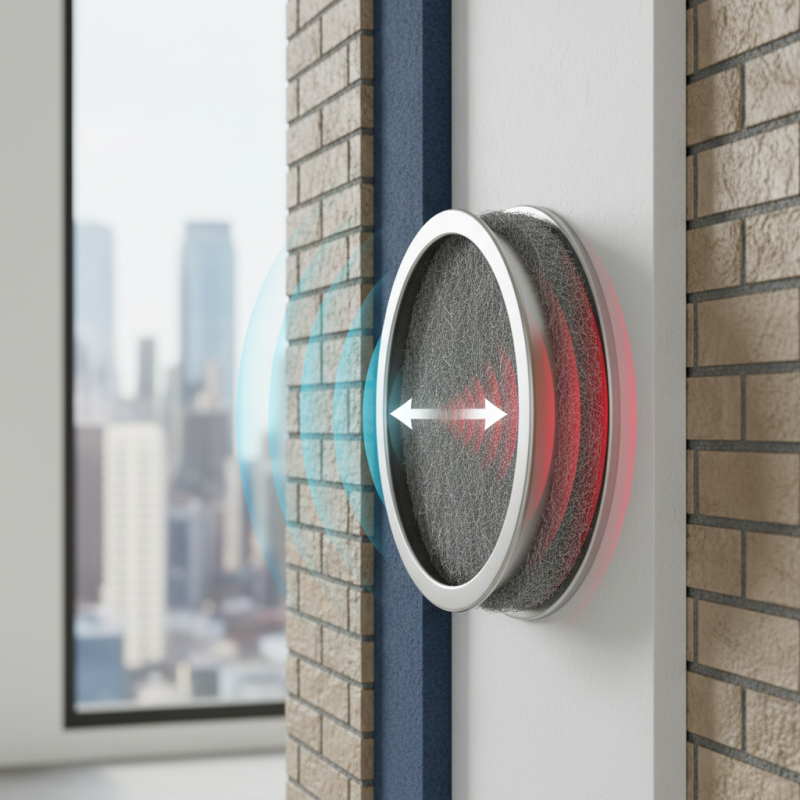
The mechanics of the Acoustic Vent Membrane are critical. Its unique design allows air passage while reducing sound transmission. Studies show that correctly installed membranes can lower decibel levels by as much as 12 dB. However, achieving the best results requires precise installation and high-quality materials. Even minor errors can compromise effectiveness, highlighting the importance of expert knowledge in this field.
Despite the valuable benefits, challenges remain. For instance, determining the right type of membrane for specific applications can be complex. As the market evolves, it is crucial to stay informed about latest advancements. Reflecting on common misconceptions, many still underestimate the role of proper ventilation in soundproofing. A deep understanding of the Acoustic Vent Membrane can turn these challenges into opportunities for innovation and improvement.
Understanding Acoustic Vent Membranes and Their Functionality
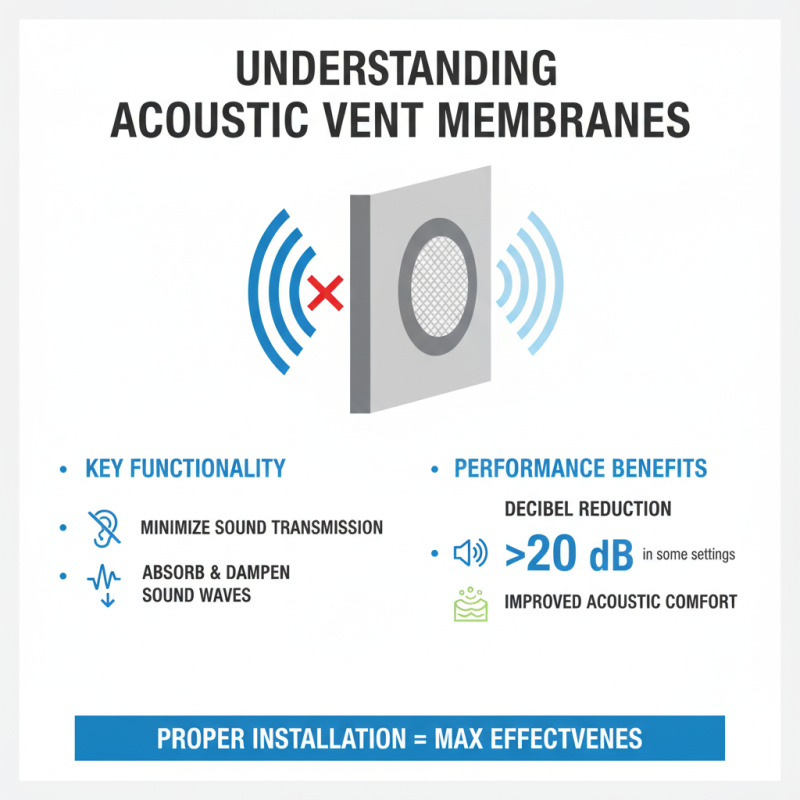
Acoustic vent membranes are crucial for minimizing sound transmission in various environments. These membranes serve as barriers that absorb and dampen sound waves. Proper installation is key to maximizing their effectiveness. A well-placed membrane can reduce decibel levels significantly, often by more than 20 dB in some settings.
Recent studies indicate that acoustic membranes must be strategically positioned to achieve optimal results. For instance, research from the Acoustical Society of America reveals that when these membranes are installed in high-traffic areas, the sound reduction can be more pronounced. However, not all membranes offer the same benefits, and their performance can vary based on installation techniques and material properties.
Despite promising advancements, challenges remain. Some users report inconsistent results, suggesting that further investigation is needed. Issues like improper sealing or inadequate coverage can lead to gaps where sound may leak through. Identifying these potential shortcomings is essential for future developments in acoustic technology. Understanding these nuances helps guide best practices for implementing acoustic vent membranes effectively.
Key Benefits of Acoustic Vent Membranes for Sound Reduction
Acoustic vent membranes offer significant advantages for sound reduction in various spaces. These materials function by absorbing and dissipating sound energy, creating quieter environments. They can be particularly beneficial in loud urban settings or noisy workspaces. The installation process is fairly simple, allowing for easy integration into existing structures.
One major benefit of acoustic vent membranes is their versatility. They can be used in walls, ceilings, and floors. When installed correctly, they can reduce unwanted noise while allowing ventilation. This is a critical feature for areas like recording studios or home theaters. The challenge lies in ensuring the proper placement for maximum effectiveness.
Another key aspect is the balance between sound insulation and airflow. While achieving sound reduction, some might overlook the importance of maintaining a healthy indoor environment. It’s essential to consider material choices carefully to avoid compromising air quality. Regular evaluations of the installed membranes can help identify areas for improvement.
Installation Guidelines for Effective Use of Acoustic Vent Membranes
Acoustic vent membranes can significantly enhance sound reduction when installed correctly. Begin by selecting the right location for installation. It is critical to plan the placement to minimize sound transmission. The membranes should be fitted in areas where noise enters your space, like walls and ceilings.
Proper installation is all about precision. Ensure that the membranes overlap slightly at the seams. This creates a more airtight seal, reducing potential gaps. Consider using adhesive solutions that are compatible with the membrane material. Adhesives can often improve longevity and effectiveness.
Regular maintenance is vital for optimal performance. Inspect your membranes periodically for wear and tear. If you notice any damage, address it quickly. This includes checking the adhesive bonds and resealing any loose edges. Continuous evaluation ensures you get the best soundproofing results possible. Remember, achieving perfect sound reduction is often a process of trial and error.
Common Mistakes to Avoid When Using Acoustic Vent Membranes
When using acoustic vent membranes, common mistakes can undermine their effectiveness.
One frequent error is improper installation. Membranes should fit snugly in designated areas.
Gaps or loose fittings can allow sound leaks, reducing their soundproofing capabilities.
It's essential to measure accurately and check for tight seals.
Another mistake is neglecting additional soundproofing materials.
Relying solely on membranes may not suffice.
Combining membranes with other sound-dampening solutions can yield better results.
Each product's specifications must be understood to maximize performance.
Additionally, some overlook the maintenance of these membranes.
Regular inspections are vital for ensuring they remain intact and effective. Damage or wear can occur over time, impacting sound reduction.
Being proactive can prevent future sound issues. Pay attention to these details for optimal acoustic performance.
Comparative Analysis of Acoustic Vent Membranes and Other Soundproofing Solutions
When exploring sound reduction, acoustic vent membranes present an intriguing option. These membranes are designed to manage sound transmission while still allowing air movement. This unique feature makes them suitable for spaces that require ventilation without compromising acoustic comfort.
Comparatively, traditional soundproofing solutions often rely on heavy materials. While effective, they can add significant weight and bulk to a structure. Acoustic vent membranes are lighter and easier to manage during installation. However, their performance may vary based on the environment. In some cases, other materials might outperform them in specific acoustic settings.
Selecting the right soundproofing solution depends on various factors, including the type of noise and the building's design. Acoustic vent membranes might not provide the same level of isolation as denser materials. However, they can perform well in applications like offices or residential areas. It's crucial to analyze each option's strengths and weaknesses based on your particular sound reduction needs.