What is Acoustic Vents and How Do They Work?
Acoustic vents have become essential in modern architectural design. They manage sound levels in various environments, from schools to offices. A recent report by Sound Solutions Industry states that acoustic vents can reduce noise by up to 30%. This data highlights their significance in enhancing workplace productivity and comfort.
Expert Sarah Thompson from Acoustic Innovations emphasizes, "Acoustic vents are not just about sound control; they promote well-being." Her insights reflect a growing recognition of the need for noise management in our increasingly noisy world. Implementing acoustic vents provides a tangible solution to pervasive sound issues.
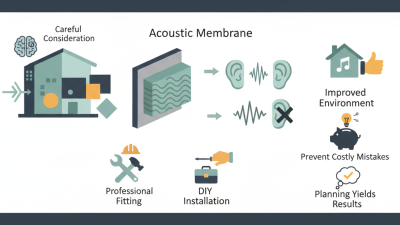
However, despite their benefits, not all designs are effective. Many installations fail due to improper planning or inadequate understanding of acoustic principles. This gap serves as a reminder that the installation of acoustic vents requires careful consideration and expertise. Only through proper execution can their true potential be realized.

What Are Acoustic Vents and Their Purpose in Sound Management
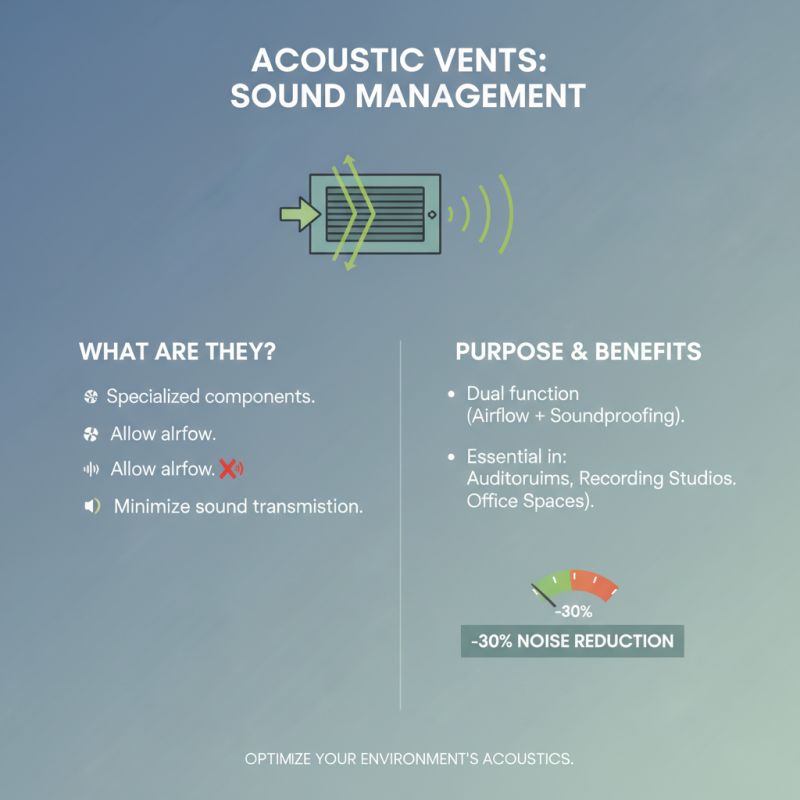
Acoustic vents are specialized components designed to manage sound within various environments. Their primary purpose is to allow airflow while minimizing sound transmission. This dual function is essential in places like auditoriums, recording studios, and office spaces. Research has shown that acoustic panels combined with effective venting can reduce noise levels by as much as 30%.
These vents utilize a combination of materials and engineering principles to dampen sound waves. By strategically placing vents within walls or ceilings, noise can be significantly controlled. Sound travels through the air in waves, and by disrupting these waves, vents play a critical role. Many professionals report that poorly designed acoustic spaces experience echoes, creating frustrating sound environments. These issues could lead to decreased productivity in offices.
However, not all acoustic vent designs are perfect. Some may still allow sound leakage, leading to unwanted noise levels. Constant evaluation of acoustic performance is necessary. Sound management is more than just adding vents; it requires a holistic approach. Inadequate assessment of acoustics often results in unresolved issues. Regular feedback from users can guide improvements in design and installation.
The Science Behind Acoustic Vent Design and Functionality
Acoustic vents play a crucial role in sound management within spaces. These vents help balance airflow while controlling noise levels. The basic principle involves strategic design to minimize sound transmission. They often incorporate specialized materials that absorb sound waves. Reports indicate that proper acoustic vent installation can reduce noise by up to 30%. This figure highlights their effectiveness in both residential and commercial settings.
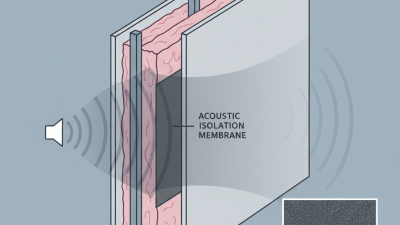
The science behind acoustic vent functionality revolves around frequency control. Different materials respond uniquely to various sound frequencies. For instance, foam-based vents commonly handle mid-frequency sounds. According to industry research, using specific multilayer constructions can enhance sound isolation significantly. Yet, not all designs achieve optimal results. Some vents may fail to account for fluctuating environmental factors. This inconsistency can lead to subpar performance in sound attenuation.
The placement of acoustic vents is also critical. Placing them too close to noise sources can diminish their benefits. A study showed that strategically locating these vents could improve overall acoustics. However, not every space has the luxury of ideal vent placement. This poses a challenge in urban environments where noise pollution is prevalent. Interior designers and architects must navigate these complexities when creating effective acoustic solutions.
Understanding Acoustic Vents: Performance Comparison
This bar chart illustrates the sound reduction performance of different types of acoustic vents measured in decibels (dB). The data shows how various vent designs can affect sound attenuation efficiency.
Common Materials Used in Acoustic Vent Construction
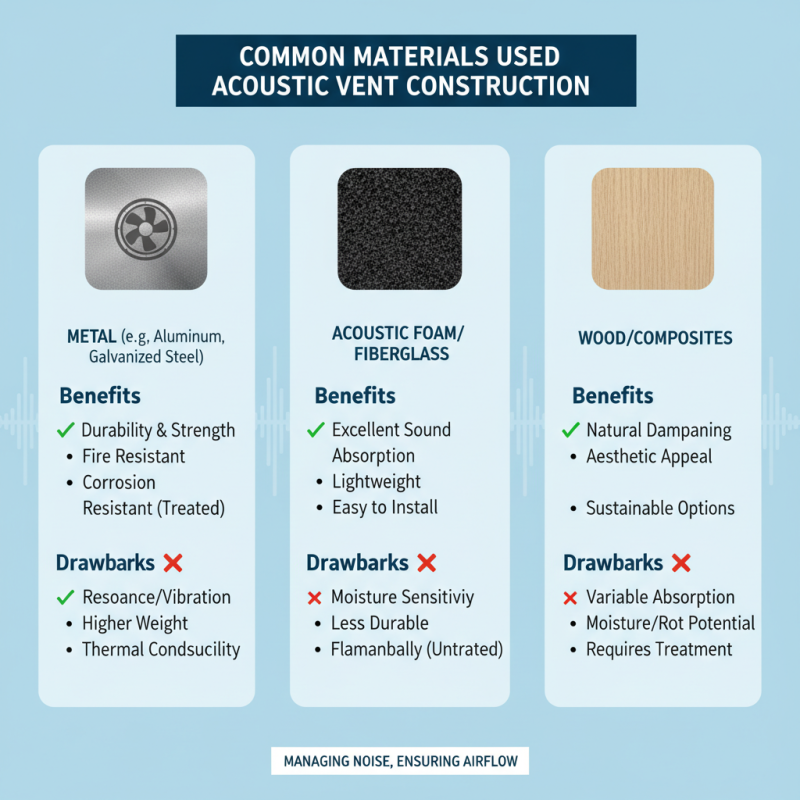
Acoustic vents are essential in sound management. They help control noise levels while ensuring proper air circulation. The construction of these vents can utilize various materials, each offering distinct benefits and drawbacks.
Wood is a popular material for acoustic vents. It provides a natural aesthetic and effective sound absorption. However, wood can warp over time and may not be suitable for all environments. Metal, on the other hand, is durable and resistant to decay. Yet, it may amplify certain frequencies, creating a different sound experience.
Soft materials like foam and fabric are also common in vent construction. They absorb sound well and can be easily shaped. However, they may not hold up in high-traffic areas. Each material has its pros and cons. The choice often depends on the specific needs of the space. It's crucial to think about both functionality and design when selecting materials.
Measuring the Effectiveness of Acoustic Vents: Key Metrics and Data
Acoustic vents are essential for controlling sound in various environments. They help manage noise levels by allowing sound waves to pass through while blocking some of the unwanted noise. The effectiveness of these vents can be measured using key metrics like sound transmission class (STC), noise reduction coefficient (NRC), and absorption rate. These metrics provide valuable insights into how well the vents perform.
When evaluating acoustic vents, consider conducting on-site tests. Real-world measurements can differ from theoretical values. For example, factors like room layout and surrounding materials impact the final performance. Collecting data under different conditions is crucial to understanding true effectiveness.
Tips: Pay attention to your environment. Identify areas with excessive noise. It may help you decide where to install acoustic vents. Additionally, consider mixing different vent styles to enhance soundproofing. Experimenting can reveal unexpected benefits. Don't rely solely on manufacturer claims; field testing provides clearer insights.
Applications of Acoustic Vents in Various Industries and Environments
Acoustic vents serve a unique role in various industries. They are designed to manage sound transmission while allowing ventilation. This is especially useful in settings like theaters and recording studios, where sound quality is paramount. In these environments, the goal is to reduce unwanted noise while maintaining air circulation. Properly installed vents can significantly enhance the auditory experience for audiences and performers alike.
In the automotive sector, acoustic vents control noise levels inside vehicles. Here, they help create a quieter cabin experience. However, finding the right balance is challenging. Too much sound dampening can lead to feelings of isolation. Engineers must consider both comfort and external noise interference. This ongoing refinement is crucial for customer satisfaction.
In healthcare facilities, acoustic vents contribute to patient comfort. They reduce noise levels in sensitive areas like recovery rooms. Yet, this often results in debates about ventilation efficiency. Staff sometimes find that sound insulation can hinder communication. It’s a complex trade-off, requiring constant evaluation to fine-tune these systems.