Why Acoustic Vents Are Essential for Energy Efficiency and Indoor Air Quality
Acoustic Vents are an often-overlooked component of modern building design, yet they play a crucial role in enhancing both energy efficiency and indoor air quality. As contemporary spaces strive for optimal comfort and sustainability, the integration of these vents emerges as a necessary solution. Acoustic Vents not only facilitate essential air circulation but also help to reduce noise pollution, creating a tranquil environment conducive to work and relaxation.
Incorporating Acoustic Vents into building designs can lead to significant improvements in the management of indoor climates. They ensure that fresh air is continuously exchanged while controlling temperature fluctuations, ultimately reducing reliance on artificial heating and cooling systems. This synergy not only lowers energy consumption but also contributes to a healthier living space by minimizing the buildup of indoor pollutants. By understanding the multifaceted benefits of Acoustic Vents, architects and builders can make informed decisions that enhance both the performance and the comfort of the spaces they create.

Understanding Acoustic Vents: Definition and Functionality
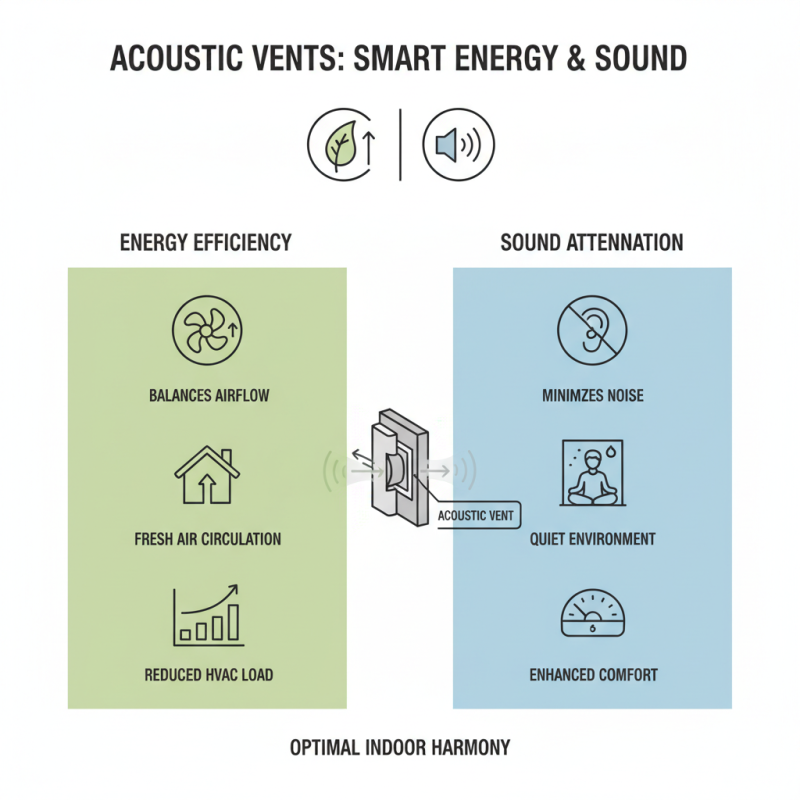
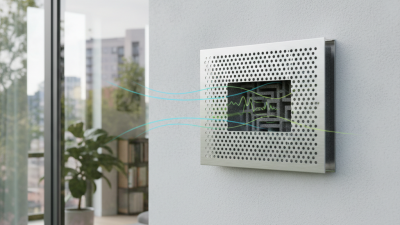
Acoustic vents are specialized ventilation systems designed to promote air circulation while minimizing noise transmission between spaces. These vents function by allowing airflow through acoustic barriers, such as walls or ceilings, enabling the exchange of indoor air without compromising acoustic privacy. This dual functionality makes them particularly valuable in settings where maintaining a peaceful environment is essential, such as in residential homes, offices, or healthcare facilities.
The design of acoustic vents typically incorporates sound-absorbing materials that reduce the passage of noise while ensuring adequate airflow. This is crucial for energy efficiency, as proper ventilation can help regulate indoor temperatures and humidity levels, thereby reducing the reliance on heating and cooling systems. In addition to enhancing comfort, acoustic vents contribute to improved indoor air quality by facilitating the removal of stale air and introducing fresh air, which is vital for maintaining a healthy living or working environment. By balancing acoustic control and effective ventilation, these systems play a key role in contemporary building design.
The Role of Acoustic Vents in Energy Efficiency Management
Acoustic vents play a crucial role in energy efficiency management by balancing airflow and sound attenuation within a space. These specialized vents allow for the passage of air while minimizing noise levels, which is essential in both residential and commercial environments. Properly installed acoustic vents contribute to a comfortable atmosphere by ensuring that fresh air circulates throughout the building without compromising the quietness needed for productivity or relaxation.
To optimize energy efficiency, it is vital to integrate acoustic vents into the heating, ventilation, and air conditioning (HVAC) systems. This integration helps maintain a consistent temperature while reducing the workload on HVAC units, ultimately leading to lower energy consumption and utility costs. Additionally, these vents can strategically channel outside air, providing proper ventilation that prevents moisture buildup and improves indoor air quality.
Tips for maximizing the benefits of acoustic vents include ensuring they are correctly sized and positioned to enhance airflow without introducing excessive noise. Regular maintenance and cleaning are also essential to maintain their effectiveness. Furthermore, consider using high-quality acoustic materials around the vents to further enhance sound insulation, helping to create an efficient and tranquil indoor environment.
Impact of Acoustic Vents on Indoor Air Quality Improvement
Acoustic vents play a pivotal role in enhancing indoor air quality, a critical factor in the health and well-being of building occupants. According to a report from the World Health Organization, indoor air pollution is responsible for approximately 4.3 million premature deaths annually, largely due to respiratory diseases. Acoustic vents facilitate better air circulation while significantly reducing noise levels, ensuring that spaces remain tranquil without compromising air quality. By promoting airflow, these vents help in diluting indoor pollutants and improving ventilation effectiveness, which is essential for maintaining a healthy indoor environment.
A study published in the Journal of Environmental Quality highlights that enhancements in indoor air quality can lead to productivity gains of up to 11% in office settings. Acoustic vents contribute to this improvement by enabling the exchange of stale indoor air with fresh outdoor air, thus reducing the concentration of volatile organic compounds (VOCs) and other airborne contaminants. Furthermore, the integration of acoustic solutions with ventilation systems has shown to lower energy consumption significantly, with reports suggesting reductions of up to 30% in energy use, thus aligning with energy efficiency goals. This dual benefit of improved air quality and energy conservation underscores the importance of incorporating acoustic vents in modern building designs.
Why Acoustic Vents Are Essential for Energy Efficiency and Indoor Air Quality - Impact of Acoustic Vents on Indoor Air Quality Improvement
| Dimension |
Description |
Impact |
Statistic/Value |
| Energy Efficiency |
Reduction in energy consumption |
Increases HVAC performance |
Up to 30% energy savings |
| Indoor Air Quality |
Improved ventilation |
Reduction in airborne pollutants |
Up to 50% reduction in VOCs |
| Noise Reduction |
Minimized outdoor noise intrusion |
Improves comfort levels |
Up to 15 dB reduction |
| Moisture Control |
Regulation of humidity levels |
Reduces mold growth |
Up to 40% moisture reduction |
| Cost Savings |
Decreased energy bills |
Higher return on investment |
Average savings of $200/year |
Key Benefits of Installing Acoustic Vents in Various Spaces
Acoustic vents play a crucial role in enhancing both
energy efficiency and
indoor air quality
across various settings, including residential spaces, offices, and
commercial buildings. One of the primary benefits of installing acoustic
vents is their ability to regulate temperature and airflow.
By allowing for controlled ventilation, these vents help maintain a
comfortable atmosphere, reducing the necessity for excessive heating or
cooling. This not only translates to energy savings
but also minimizes the carbon footprint of the building.
Moreover, acoustic vents contribute significantly to
improving indoor air quality.
They facilitate the circulation of fresh air while simultaneously
mitigating noise pollution, which is particularly beneficial in
urban environments. The proper installation of these vents promotes
healthier indoor conditions by reducing the buildup
of pollutants and allergens, creating a more pleasant and productive atmosphere.
In settings such as schools and healthcare facilities, where
concentration and well-being are
paramount, the combination of effective ventilation and sound attenuation
ensures that occupants can thrive in a serene environment.
Best Practices for Implementing Acoustic Vents Effectively
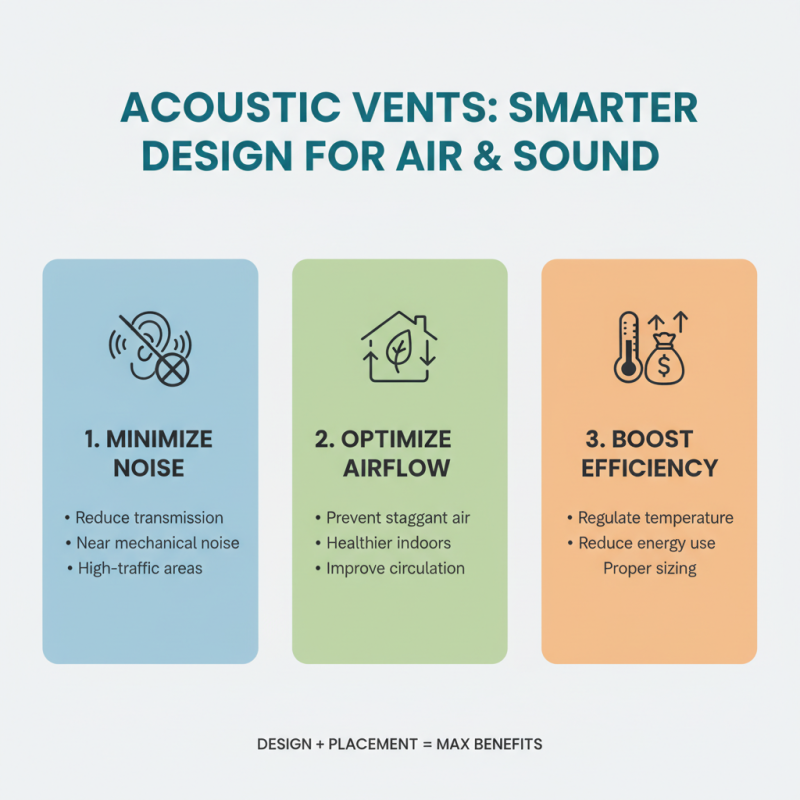
Implementing acoustic vents effectively requires careful consideration of both design and placement to maximize their benefits for energy efficiency and indoor air quality. First, it is essential to analyze the specific needs of the space. Acoustic vents should be strategically located in areas that require optimal air circulation while minimizing noise transmission. For instance, placing vents near sources of mechanical noise or in high-traffic areas can help reduce unwanted sound and enhance comfort. Additionally, ensuring that the vents are appropriately sized for the space contributes to improved airflow dynamics, preventing stagnant air and promoting healthier indoor environments.
Another best practice involves integrating acoustic vents with other building systems, such as HVAC units and insulation strategies. This ensures that the climate control system works synergistically with the vents, optimizing performance and energy use. Furthermore, regularly maintaining the vents is crucial. Simple tasks like cleaning filters and checking for blockages will enhance their efficiency and longevity. Combining proper design, strategic placement, and ongoing maintenance allows building owners and managers to harness the full potential of acoustic vents, leading to spaces that are not only quieter but also healthier and more energy-efficient.