What is an Adhesive Vent Membrane and How Does it Work?
In the evolving landscape of building materials, the Adhesive Vent Membrane has emerged as a crucial innovation for ensuring efficient moisture management and enhancing the durability of structural assemblies. According to Dr. Emily Hartman, a leading expert in building envelope technology, "The proper integration of an Adhesive Vent Membrane not only safeguards structures against moisture intrusion but also promotes energy efficiency and indoor air quality."
This versatile material acts as a barrier that allows for the controlled ventilation of moisture while providing a robust adhesive bond to various substrates. By utilizing this technology, builders and architects can create resilient structures that withstand the ravages of time and unpredictable weather conditions. As fuel prices rise and environmental concerns become increasingly paramount, understanding the function and advantages of the Adhesive Vent Membrane becomes essential for modern construction practices.
As we delve deeper into the workings of the Adhesive Vent Membrane, we will explore its design, application methods, and the performance benefits it offers in both residential and commercial buildings. The integration of this innovative product is redefining how we approach moisture management and energy efficiency in the built environment, making it a pivotal topic for industry professionals and stakeholders alike.
What is an Adhesive Vent Membrane?
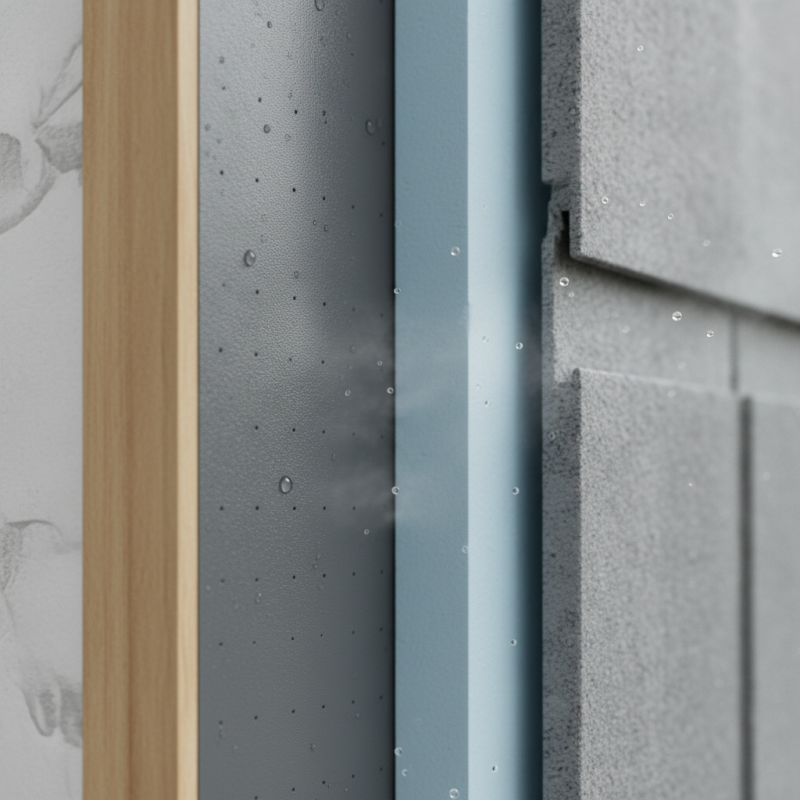
An adhesive vent membrane is an innovative building material designed to enhance moisture management in structures. Typically used in wall assemblies, this membrane serves as a critical component in protecting buildings from water damage while allowing for the proper ventilation needed to maintain a healthy indoor environment. The adhesive backing enables it to be easily applied to various surfaces, creating a reliable barrier against air and moisture infiltration.
One of the primary functions of an adhesive vent membrane is to prevent water from entering the wall assembly while allowing vapor to escape. This is crucial in minimizing the risk of mold and mildew, which can thrive in damp conditions. The membrane's design ensures that while unintended moisture is blocked, condensation created within the assembly can easily evaporate, thus maintaining a balance necessary for preserving the integrity of the materials used.
Tips: When installing an adhesive vent membrane, ensure that the surface is clean and dry to promote optimal adhesion. Additionally, overlapping the seams can enhance the membrane's protective qualities, reducing the likelihood of moisture intrusion. Regular inspections after installation can help catch any potential issues early, ensuring longevity and effectiveness in moisture management.
The Functionality of Adhesive Vent Membranes in Construction
Adhesive vent membranes play a crucial role in modern construction by providing essential ventilation while maintaining the integrity of building envelopes. These membranes are designed to allow moisture vapor to escape from within the structure, preventing issues such as mold growth and structural damage caused by trapped humidity. By using a specialized adhesive backing, these membranes adhere seamlessly to various substrates, ensuring a strong and secure bond that enhances the overall performance of the building.
The functionality of adhesive vent membranes extends beyond just moisture control. They also contribute to energy efficiency by acting as a barrier against air infiltration, reducing the energy required for heating and cooling. This dual action helps to create a healthier indoor environment by managing humidity levels while simultaneously promoting energy savings for the building’s occupants. Furthermore, their easy application and flexibility in design allow for innovative construction methods that cater to diverse architectural needs, making them an essential component in contemporary building practices.
Materials Used in Adhesive Vent Membranes
Adhesive vent membranes play a crucial role in modern building construction, ensuring effective moisture management while maintaining energy efficiency. These membranes are typically made from a variety of materials, each chosen for its unique properties that contribute to the overall effectiveness of the system. Common materials used in these membranes include polypropylene, polyethylene, and polyurethane. According to the American Society for Testing and Materials (ASTM), these materials provide excellent moisture vapor transmission rates and durability, making them well-suited for various climates and environmental conditions.
The performance of adhesive vent membranes is often enhanced by the use of specially formulated adhesives that ensure a strong bond to various substrates. Reports from the International Journal of Adhesion and Adhesives highlight that these adhesives can withstand significant temperature fluctuations and humidity variations, which is essential for maintaining the integrity of the building envelope. Furthermore, studies indicate that membranes incorporating a combination of these materials can reduce energy loss by up to 20%, significantly lowering heating and cooling costs over time. This makes adhesive vent membranes not only a practical choice but also a sustainable one in energy-efficient building practices.
Installation Process for Adhesive Vent Membranes
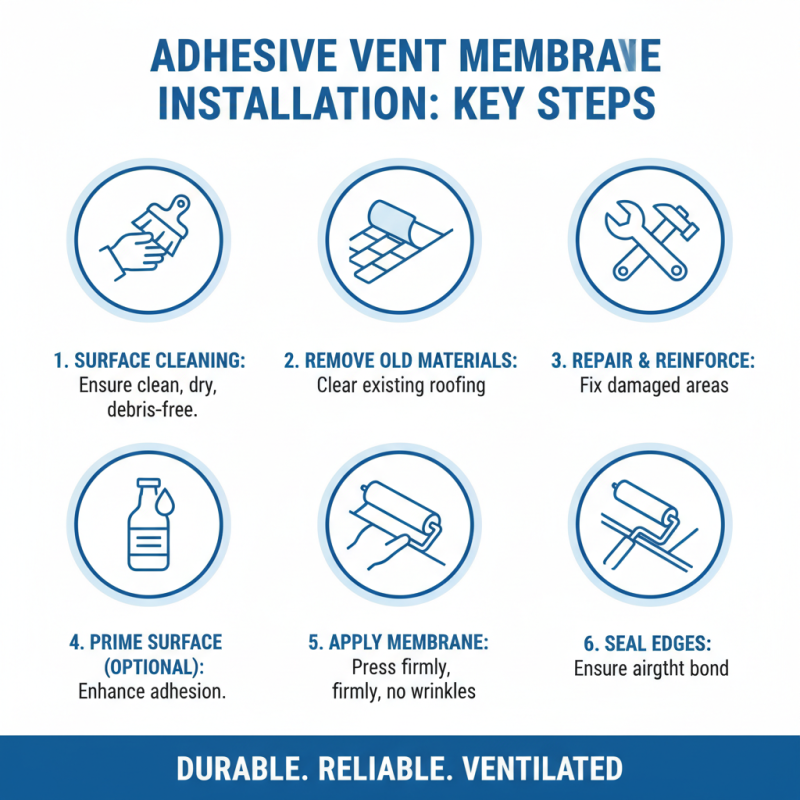
The installation process for adhesive vent membranes typically begins with proper surface preparation. It's essential to ensure that the surface is clean, dry, and free from any debris that may hinder adhesion. Any existing roofing materials should be inspected and, if necessary, removed to create a suitable base for the membrane. This preparation may include repairing or reinforcing areas to guarantee that the adhesive bonds effectively.
Once the surface is ready, the adhesive vent membrane is applied. The application process generally involves unrolling the membrane and carefully aligning it to fit the designated area. It's important to adhere the membrane smoothly to avoid any air pockets or wrinkles, which could compromise its effectiveness. Many installers recommend starting from one edge and gradually progressing, pressing down the membrane as they work along to ensure a solid bond. Once installed, the edges may require sealing or additional fastening to enhance durability and prevent moisture infiltration. Following these steps ensures optimal performance of the adhesive vent membrane, contributing to proper ventilation and overall roof integrity.
Advantages and Disadvantages of Using Adhesive Vent Membranes
Adhesive vent membranes have garnered attention in the construction industry for their role in enhancing building envelope performance. One notable advantage of these membranes is their ability to facilitate proper ventilation while simultaneously acting as a barrier against water intrusion. According to a report by the American Society of Civil Engineers, effective moisture control is critical, as over 40% of building-related issues stem from water damage. These membranes are designed to be installed quickly and efficiently, often resulting in reduced labor costs and time on the job site—a critical factor in the fast-paced construction environment.
However, the use of adhesive vent membranes does come with potential drawbacks. One major concern is the long-term adhesion performance under varying environmental conditions. Studies indicate that improper installation can lead to air leaks, which may compromise the effectiveness of the building envelope. Additionally, while many adhesive vent membranes offer a high degree of permeability, their performance can vary widely based on the specific material and environmental exposure, making it crucial for builders to conduct thorough evaluations before installation. Industry surveys suggest that about 30% of contractors report issues with membrane performance, underscoring the importance of careful selection and application methods to harness the full benefits of these innovative building technologies.
Advantages and Disadvantages of Adhesive Vent Membranes