How to Use Adhesive Vent Sticker for Improved Air Quality in Your Home?
Indoor air quality significantly impacts our health and well-being. Many homeowners overlook this vital aspect of their living environment. One simple yet effective solution is the use of Adhesive Vent Sticker. By blocking off unused vents, you can reduce the circulation of dust and allergens.
Adhesive Vent Stickers are easy to apply. They come in various sizes to fit different vents. Once installed, they create a seal that limits unwanted airflow. This can lead to fresher air in your home's primary living areas. Additionally, these stickers can improve overall HVAC efficiency, saving energy.
However, relying solely on Adhesive Vent Stickers may not be enough. It's essential to combine this method with regular cleaning and maintenance of your HVAC system. Consider exploring other air quality solutions as well. The goal is to create a healthier indoor atmosphere for you and your family.
Understanding Adhesive Vent Stickers and Their Purpose
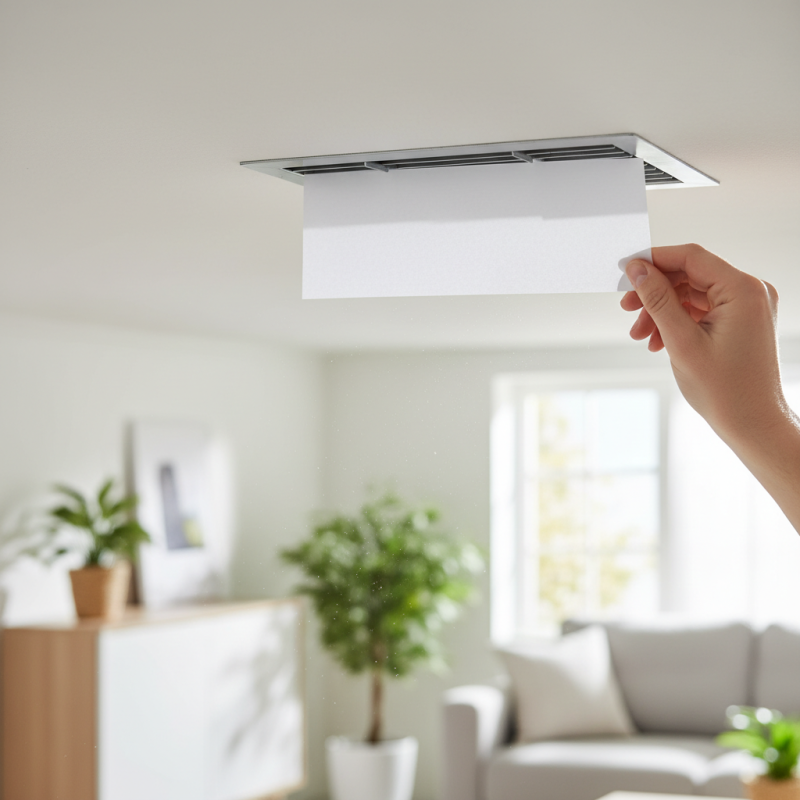
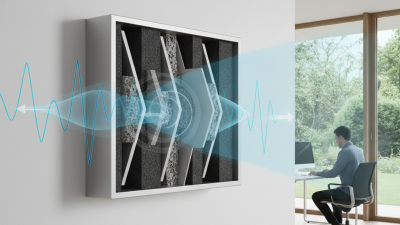
Adhesive vent stickers are innovative tools designed to enhance the air quality in your home. They are simple yet effective solutions. These stickers adhere to your vents, directing airflow in a manner that can reduce dust and allergens. By controlling how air flows through ducts, they can create a more comfortable living environment.
Understanding their purpose is crucial. Homes often suffer from uneven airflow. Rooms might feel stuffy or too cold. Adhesive vent stickers can help balance this by redistributing air effectively. However, they are not a cure-all. It’s essential to combine them with regular maintenance of your HVAC system. Dust buildup can still occur if not managed properly.
While placing vent stickers, consider the placement carefully. Each room has different needs. You might find that furniture obstructs airflow. In such cases, trial and error may be necessary. Placement should change based on season and air quality. The results can vary based on your home’s unique layout. Balance comfort with efficiency for the best outcome.
Impact of Adhesive Vent Stickers on Home Air Quality
This chart illustrates the average improvement in air quality metrics after using adhesive vent stickers in various homes. The data represents changes in particulate matter (PM2.5) levels, VOC concentrations, and overall air quality index (AQI) scores over a period of three months.
Assessing Air Quality Issues in Your Home
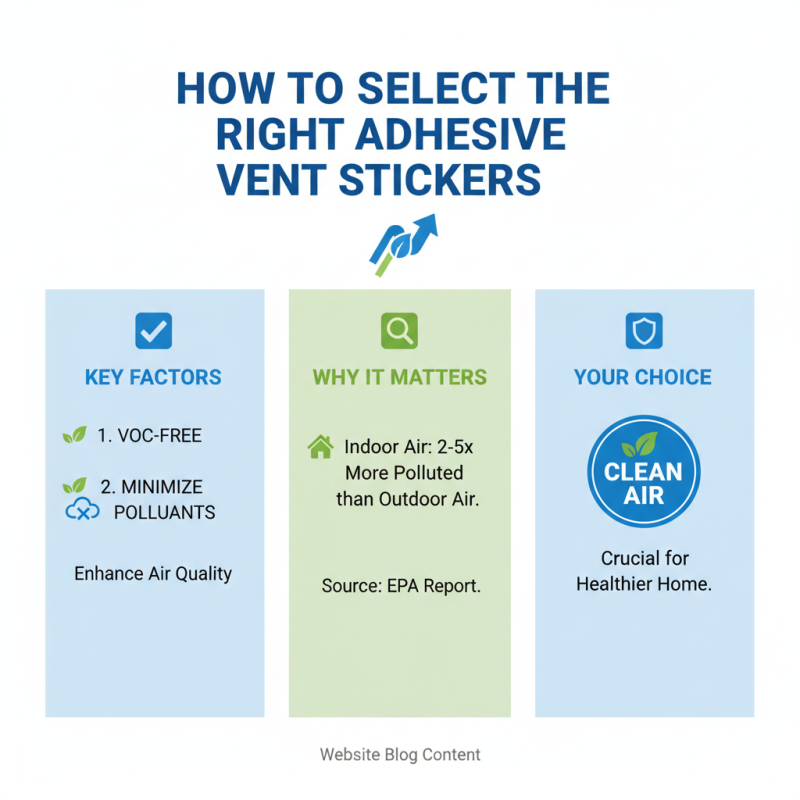
Assessing air quality in your home is critical for your health and comfort. According to the U.S. Environmental Protection Agency (EPA), indoor air can be two to five times more polluted than outdoor air. Common indoor pollutants include volatile organic compounds (VOCs), mold, and particulate matter. Identifying these issues requires a systematic approach. Start by using indoor air quality monitors to measure levels of common pollutants.
It's also essential to ensure proper ventilation. Poor airflow allows pollutants to accumulate. Data from the World Health Organization highlights that good ventilation reduces the concentration of indoor air pollutants significantly. In enclosed spaces, air exchange should occur every 30 minutes to maintain a healthy environment.
Many households overlook signs of air quality issues. Persistent odors, excessive dust, and increased allergy symptoms may indicate poor air quality. Regular assessments can help pinpoint these concerns. Look for visual cues, such as mold growth or stained ventilators, to address these problems effectively. Utilizing an adhesive vent sticker can assist in monitoring air quality by indicating airflow changes. This simple tool enhances your understanding of your home's environment, guiding necessary improvements.
Step-by-Step Guide to Applying Adhesive Vent Stickers
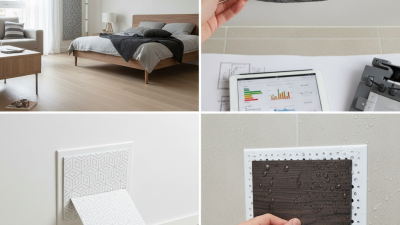
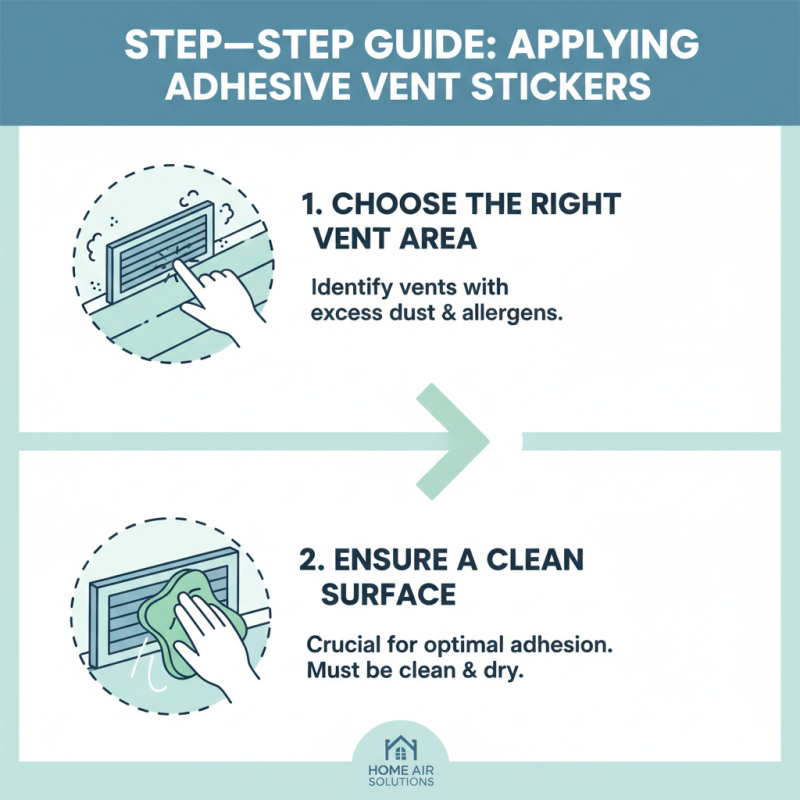
Applying adhesive vent stickers can enhance your home’s air quality significantly. This guide will help you navigate the application process effectively. Start by choosing the right vent area. Identify the vents that release excess dust and allergens. Ensure the surface is clean and dry. This step is crucial for optimal adhesion.
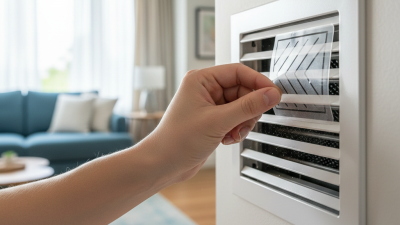
Once you have selected the vents, cut the stickers to fit. Use scissors for precise edges. Peel off the backing and press the sticker firmly onto the vent. Ensure there are no bubbles trapped underneath. If you notice any, gently lift the sticker and smooth it down again. Take your time with this part; perfection is key.
After installation, monitor your indoor air quality. You might notice an immediate difference. However, it’s essential to conduct regular checks. Some stickers may not adhere well over time. If you find any peeling or lifting, you may need to replace them sooner than expected. Be prepared to adapt your approach as your living space changes.
Maintaining and Monitoring Air Quality After Installation
Maintaining and monitoring air quality post-installation of adhesive vent stickers is crucial. Once installed,
regularly check the stickers for any signs of wear or detachment. Ensure the stickers are securely fastened to avoid any leaks. You might find that they lose adhesion over time, especially in humid areas.
It’s important not to ignore this.
Measure your home's air quality periodically. Use simple tools like air quality monitors to track changes. Pay attention to levels of pollutants and allergens.
Document any fluctuations you notice. This will help to identify patterns and the effectiveness of the stickers. If air quality drops significantly, consider reassessing the sticker placement or look into additional measures.
It's also beneficial to involve family members in this process. Encourage them to share observations. Open communication fosters an understanding of air quality issues.
Create a checklist to ensure that all aspects of air quality are regularly assessed. This can include checking HVAC systems and cleaning filters. Reflecting on these practices can lead to a
more proactive approach to indoor air quality.