What Are the Benefits of Using Acoustic Membrane for Soundproofing
Acoustic membranes have emerged as a key solution in modern soundproofing. These specialized materials enhance sound insulation, making spaces quieter and more comfortable. According to the World Health Organization, excessive noise can lead to stress, sleep disturbances, and even cardiovascular issues. The demand for effective soundproofing solutions has grown significantly, highlighting the importance of using acoustic membranes in residential and commercial environments.
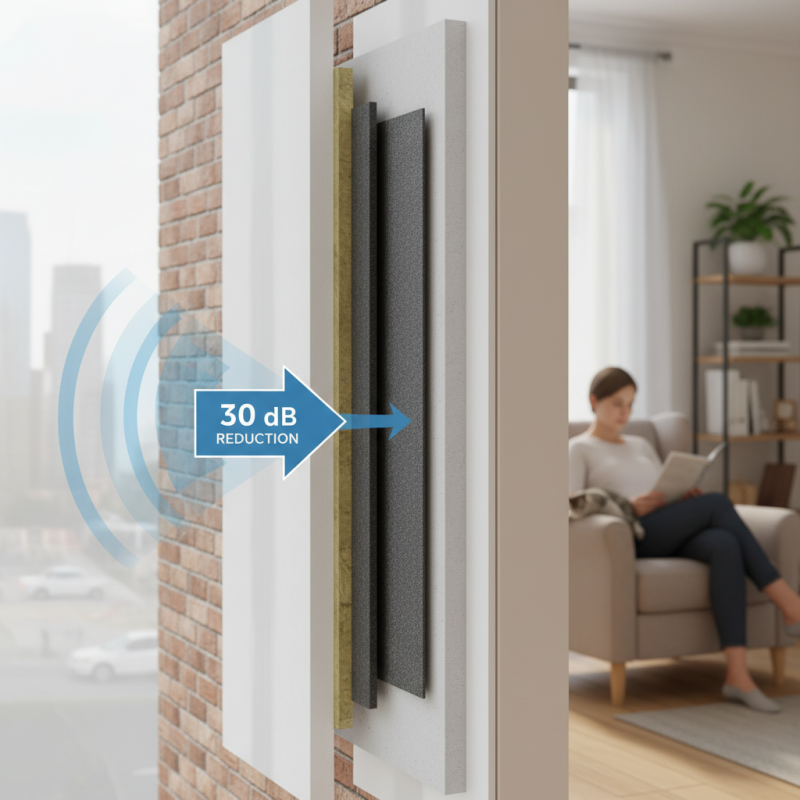
Research shows that using acoustic membranes can reduce sound transmission by up to 30 decibels. This impressive reduction can make a substantial difference in urban living, where noise pollution is a pressing concern. As highlighted by industry reports, investments in soundproofing technologies are expected to rise by 20% in the coming years. This trend underscores the value placed on peaceful living and working environments.
Despite these benefits, it is vital to approach acoustic membranes with a critical eye. While they offer excellent soundproofing capabilities, their installation requires expertise to achieve optimal results. Improper installation can lead to gaps, negating the membrane's effectiveness. Addressing these challenges is crucial for maximizing the benefits of acoustic membranes in real-world applications.
Understanding Acoustic Membrane and Its Composition
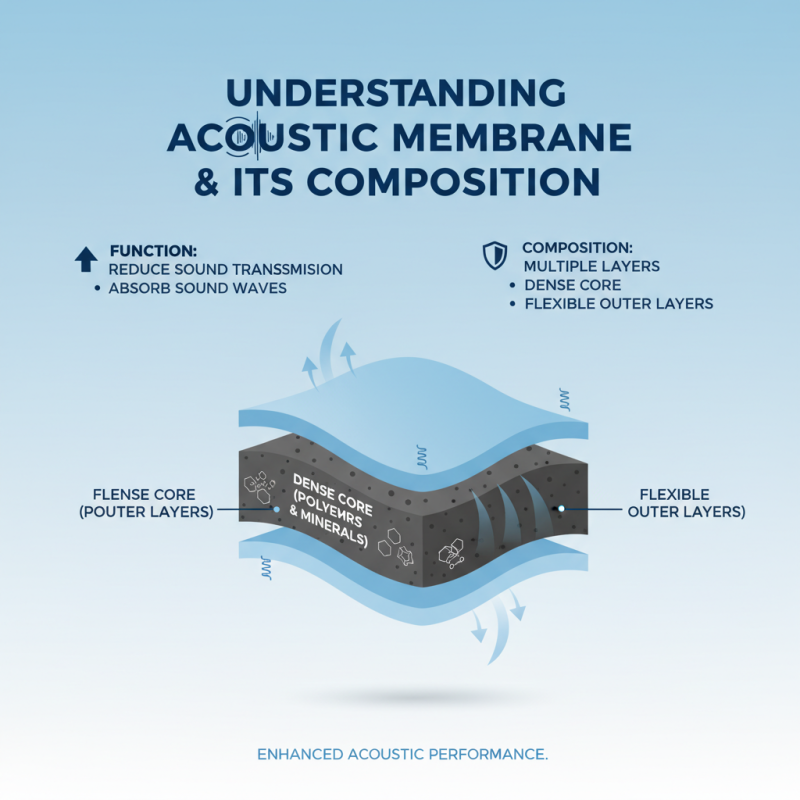
Acoustic membranes are specialized materials designed to reduce sound transmission. They often consist of multiple layers, combining a dense core with flexible outer layers. This unique composition allows them to absorb sound waves effectively. The membranes can be made from various materials, including polymers and minerals, which enhance their acoustic performance.
When installed in walls or ceilings, these membranes create a barrier against noise. The dense core dampens vibrations, while the flexible outer layers help avoid sound leaks. This construction enables them to perform well in various environments, from homes to commercial spaces. However, achieving optimal performance requires professional installation. Misalignment and improper sealing can reduce their effectiveness.
While acoustic membranes are beneficial, they may not solve all soundproofing issues. Factors like room size and layout can affect results. It's essential to consider these variables when planning a soundproofing project. A deeper understanding of each element will lead to better decisions in material choice and application techniques.
How Acoustic Membranes Function in Soundproofing
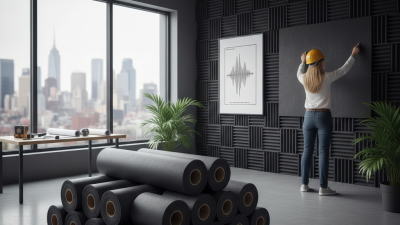
Acoustic membranes play a crucial role in effective soundproofing. These specialized materials are designed to absorb and dampen sound waves. When installed in walls, floors, or ceilings, they create a barrier that reduces noise transmission. Unlike typical soundproofing materials, acoustic membranes are lightweight and flexible. This makes them easy to handle and apply in different environments, from residential spaces to commercial offices.
The function of an acoustic membrane is based on its unique properties. It is engineered to convert sound energy into minimal heat. This process absorbs much of the sound rather than allowing it to bounce back. While this technology is highly effective, the installation must be precise. Improper fitting can lead to gaps, which may allow sound to leak through. Understanding the installation process is critical for achieving optimal results.
Selecting the right type of membrane can be challenging. Different applications require various membranes for best performance. It's essential to assess the specific needs of a space. Factors such as room size, existing materials, and types of noise to be mitigated should all influence the choice. While acoustic membranes offer numerous benefits, it’s vital to consider potential limitations and reflect on specific soundproofing goals.
Primary Benefits of Using Acoustic Membranes for Noise Reduction
Acoustic membranes are essential for effective soundproofing. These materials absorb sound waves, reducing noise transfer between spaces. The primary benefit is enhanced privacy. In offices, for instance, loud conversations can be distracting. Acoustic membranes help create quieter environments, making it easier to focus. This tangible improvement can lead to better productivity.
Another significant advantage is energy efficiency. Acoustic membranes often add thermal insulation. This means less energy is needed for heating and cooling. As homes or offices become quieter and cozier, utility bills might decrease. Those savings can be substantial over time.
However, the installation process can be tricky. Proper application requires expertise. Sometimes, the effectiveness relies on specific building conditions. If not installed correctly, the acoustic benefits may not be fully realized. It’s vital to consult professionals who understand soundproofing techniques. This oversight can ensure optimal performance of the materials used.
Applications of Acoustic Membranes in Various Environments
Acoustic membranes are versatile materials used for soundproofing in diverse environments. They absorb sound waves and reduce noise transmission effectively. In residential settings, these membranes can be applied in walls and ceilings. They help create peaceful home environments, essential for relaxation.
In offices, acoustic membranes play a crucial role in enhancing productivity. Open office spaces often suffer from noise, distracting employees. Installing these membranes can significantly improve concentration levels. You might notice a quieter atmosphere and more focused work.
Tips: When selecting an acoustic membrane, consider its thickness and density. Thicker materials often provide better sound absorption. Also, ensure proper installation for maximum effectiveness. In industrial environments, these membranes can mitigate harmful noise levels. This is vital for worker safety and comfort. However, always evaluate your specific needs before making a choice.
What Are the Benefits of Using Acoustic Membrane for Soundproofing - Applications of Acoustic Membranes in Various Environments
| Application Area |
Benefit |
Effectiveness Rating (1-10) |
| Residential Spaces |
Reduces noise transmission between rooms |
8 |
| Commercial Offices |
Improves privacy in meeting rooms |
9 |
| Recording Studios |
Minimizes outside noise interference |
10 |
| Schools and Classrooms |
Enhances acoustics for better learning environments |
8 |
| Health Care Facilities |
Provides quieter spaces for patients |
9 |
| Theaters and Auditoriums |
Improves sound clarity and reduces echoes |
9 |
Comparing Acoustic Membrane with Other Soundproofing Materials
Acoustic membranes have gained popularity as an effective soundproofing solution. They differ significantly from traditional materials like fiberglass and foam. While fiberglass is lightweight and porous, it often lacks the density needed for optimal sound absorption. A report by the Acoustical Society of America indicates that dense materials perform better in blocking sound transmission. Acoustic membranes blend both density and flexibility, allowing them to effectively dampen vibrations and reduce noise.
In contrast, foam panels tend to absorb high frequencies but may not be as effective against low frequencies. Data from soundproofing research shows that membranes can reduce sound by at least 25 decibels in many environments. This performance is crucial in settings such as recording studios and offices. However, not all acoustic membranes are created equal. Some may not adhere properly or can be challenging to install. This inconsistency can introduce gaps that diminish their effectiveness.
Furthermore, acoustic membranes are often thinner than traditional panels, which can be both a benefit and a drawback. While they save space, they might require additional layers for complete sound isolation. The balance between form and function needs careful consideration. Understanding the specific soundproofing needs of each environment is essential for achieving the best results.