Top 10 Benefits of Acoustic Vents for Soundproofing Your Space?
Acoustic vents are a key element in soundproofing any space. They allow for necessary air circulation without compromising acoustic performance. Many people don’t realize their significance. Choosing the right acoustic vents can drastically reduce noise levels while enhancing comfort.
In busy environments, noise pollution can be overwhelming. Acoustic vents act as filters, minimizing unwanted sound transmission. This allows for a peaceful atmosphere. For instance, in a home studio, the right vents help maintain sound clarity. They can creatively balance ventilation and sound insulation.
However, selecting the right type may not be straightforward. Some options may not fit your specific needs. Experimentation may be necessary to find the best solution. Understanding these nuances is essential to maximizing the benefits of acoustic vents.
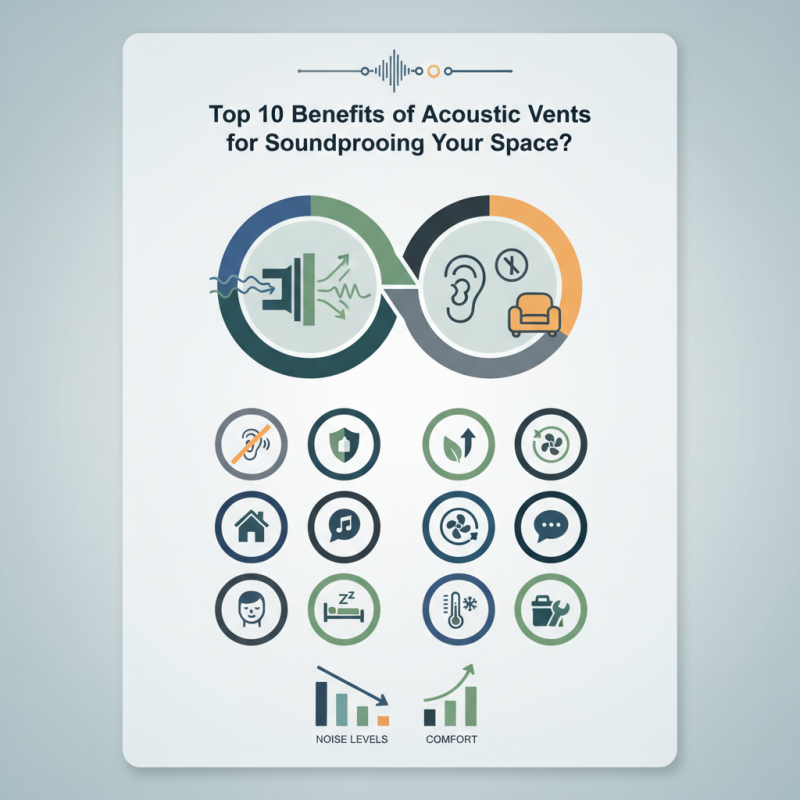
Top 10 Benefits of Acoustic Vents for Soundproofing Your Space
Acoustic vents are innovative solutions designed for enhancing soundproofing in various spaces. One of the main benefits is improved sound quality. By regulating airflow, they minimize sound transmission. This is especially beneficial in home studios or offices where focus is vital. The sound control helps create a more pleasant environment for creative work.
Another advantage is temperature regulation. These vents prevent heat loss while blocking unwanted noise. They can maintain a comfortable climate year-round. However, it’s essential to ensure they are correctly installed. A poorly placed vent can lead to gaps that may negate soundproofing effects.
Cost-effectiveness is another point worth considering. Acoustic vents are often more affordable than extensive renovations. Many users find they can achieve a significant difference without extensive construction work. Yet, some might overlook regular maintenance, which is crucial. Dust buildup can compromise their efficiency. Prioritizing upkeep will enhance performance and prolong their lifespan.
Understanding Acoustic Vents: Definition and Mechanism of Action
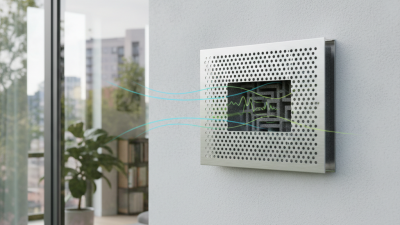
Acoustic vents serve a unique purpose in soundproofing. They allow airflow while minimizing noise transmission. These vents utilize specialized materials to absorb and dampen sound. Research indicates that spaces fitted with acoustic vents can reduce sound levels by up to 30%. This is significant in environments like offices or studios, where clarity is crucial.
The mechanism behind acoustic vents is intriguing. They often incorporate acoustic foam or similar materials. These materials trap sound waves, preventing them from bouncing around a room. Some studies show that effective sound isolation can improve productivity by 15% in workplaces. A quieter environment allows for better focus and creativity.
However, not all acoustic vents are designed equally. Their effectiveness can vary based on installation and placement. Users need to consider room size and intended use when selecting a vent. Mistakes in choosing the wrong type can lead to inadequate noise reduction. It’s essential to be mindful of the specific acoustic needs of each space. This highlights the importance of careful planning and design in achieving optimal soundproofing.
Top 10 Benefits of Acoustic Vents for Soundproofing Your Space
| Benefit |
Description |
| Improved Sound Insulation |
Acoustic vents help to reduce the transmission of sound between rooms, providing a more peaceful environment. |
| Ventilation Without Noise |
They allow for adequate air circulation while minimizing sound disturbances from the outside. |
| Enhanced Privacy |
Acoustic vents provide a layer of sound barrier, enhancing the privacy of conversations in rooms. |
| Energy Efficiency |
By preventing sound leaks, they may also improve thermal insulation, contributing to lower energy costs. |
| Design Flexibility |
Available in various styles and finishes, they can complement different interior designs. |
| Reduced Echo |
Help to diminish echo and reverberation in large spaces for better sound clarity. |
| Low Maintenance |
They typically require minimal upkeep compared to other soundproofing solutions. |
| Increased Property Value |
Effective soundproofing can make a property more attractive to potential buyers. |
| Health Benefits |
Creating a quieter environment can lead to reduced stress and better overall health. |
| Easy Installation |
Many acoustic vents are designed for straightforward installation, making them accessible for homeowners. |
Reduction of Noise Pollution: Statistical Impact on Urban Environments
Noise pollution has increasingly become a pressing concern in urban environments. Data from the World Health Organization shows that over 1.1 billion people are at risk of hearing loss due to excessive noise exposure. Acoustic vents present a unique solution to mitigate this issue. These vents can effectively reduce sound transmission, making spaces more serene and comfortable.
In bustling cities, studies indicate that noise can be reduced by up to 10 decibels with proper acoustic vent installation. This decrease can significantly lower stress levels for residents. An environment with reduced noise fosters better mental health and increases focus, especially in workplaces. Research conducted by the Environmental Protection Agency states that persistent noise levels above 70 decibels can lead to serious health problems, including hypertension and cardiovascular issues.
While the advantages are clear, not all installations guarantee results. Misalignment or improper sealing may result in insufficient soundproofing. It’s essential to consider the quality of materials used in acoustic vents. Attention to detail during the installation process is crucial for maximizing noise reduction. Even small gaps can compromise effectiveness. Therefore, careful evaluation and professional guidance become essential in achieving the desired acoustic environment.
Improved Speech Privacy: Research Insights on Communication Clarity
Acoustic vents are valuable tools for enhancing speech privacy in various spaces. Recent studies show that sound permeation can significantly impact communication clarity. In office environments, for example, unwanted noise can reduce productivity by up to 66%, leading to misunderstandings.
The effectiveness of acoustic vents in managing sound waves is noteworthy. They work by absorbing sound energy and minimizing echo. A report highlighted that with proper acoustic treatments, speech intelligibility improved by 35%. Imagine a conference room where discussions flow smoothly, not hampered by distracting background noise. Such environments foster better collaboration.
However, not all solutions guarantee results. Some vents may need regular adjustment or maintenance to remain effective. After installation, monitoring their function is essential. Acoustic challenges can differ from one space to another. Each area demands a unique approach to achieve optimal speech privacy. This complexity invites further exploration into innovative soundproofing methods.
Energy Efficiency Benefits: How Acoustic Vents Contribute to Building Insulation
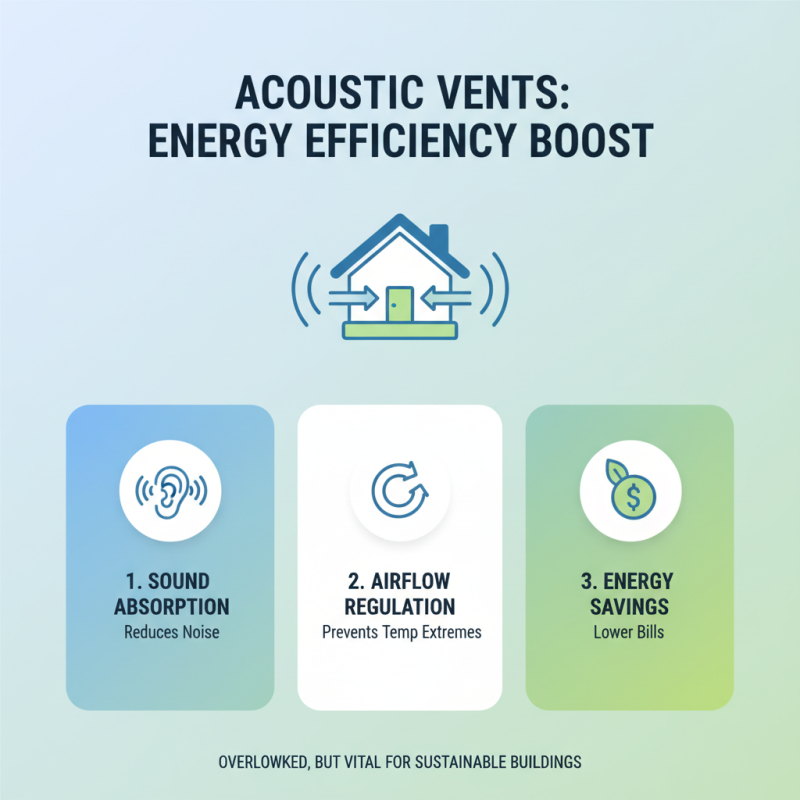
Acoustic vents are often overlooked in discussions about building insulation. However, they play a significant role in energy efficiency. By facilitating sound absorption, acoustic vents also help regulate airflow. This balance prevents excessive heating or cooling of your space. When well-placed, they can lower energy bills.
In many buildings, sound pollution can lead to inefficiencies. Poor insulation often results in unwanted noise intrusion. This disrupts both comfort and productivity. Acoustic vents tackle this issue while contributing to temperature control. They can reduce reliance on HVAC systems, helping to maintain a stable climate indoors.
Additionally, not all acoustic vents are created equal. Some may have design flaws or inadequate materials, failing to provide expected benefits. It’s essential to evaluate their performance in specific settings. Users may need to reassess their choices based on individual needs and building characteristics. By understanding the nuances, one can truly maximize the energy efficiency of their acoustic installation.
Conclusion
Acoustic vents are an innovative solution for enhancing soundproofing in various spaces. They function by allowing for air circulation while simultaneously reducing noise pollution, making them particularly beneficial in urban environments where excessive sound can be disruptive. Research has shown that these vents can significantly improve speech privacy, facilitating clearer communication in both professional and personal settings.
In addition to their acoustic benefits, acoustic vents contribute to energy efficiency, promoting better insulation within buildings. This dual functionality not only enhances comfort but also leads to long-term savings, making them a cost-effective choice for homeowners and businesses alike. By investing in acoustic vents, individuals can achieve a quieter and more energy-efficient environment, ultimately improving quality of life and productivity.