Top Benefits of Using Black Eptfe Membrane in Construction and Waterproofing
The construction and waterproofing industries have increasingly recognized the advantages of specialized materials in enhancing performance and longevity. Among these innovations, the Black ePTFE membrane has emerged as a critical component in modern building practices, offering superior water resistance and durability. According to a recent market report by Grand View Research, the global waterproofing market is expected to reach $49.4 billion by 2025, with a significant contribution from advanced materials like ePTFE membranes. This trend highlights the industry's shift towards more efficient and reliable waterproofing solutions.
Dr. Emily Carter, a leading expert in construction materials, stated, "The use of Black ePTFE membrane represents a transformative step in waterproofing technology, combining flexibility with exceptional resistance to the elements." This innovative material not only ensures optimal protection against water infiltration but also promotes energy efficiency, as its properties help regulate building temperatures. With its remarkable strength-to-weight ratio and chemical resistance, the Black ePTFE membrane is setting new standards in both residential and commercial construction. As the demand for sustainable and high-performance building materials continues to grow, the role of Black ePTFE membranes will undoubtedly expand, making them indispensable in future construction projects.
Advantages of Black ePTFE Membranes in Modern Construction Techniques
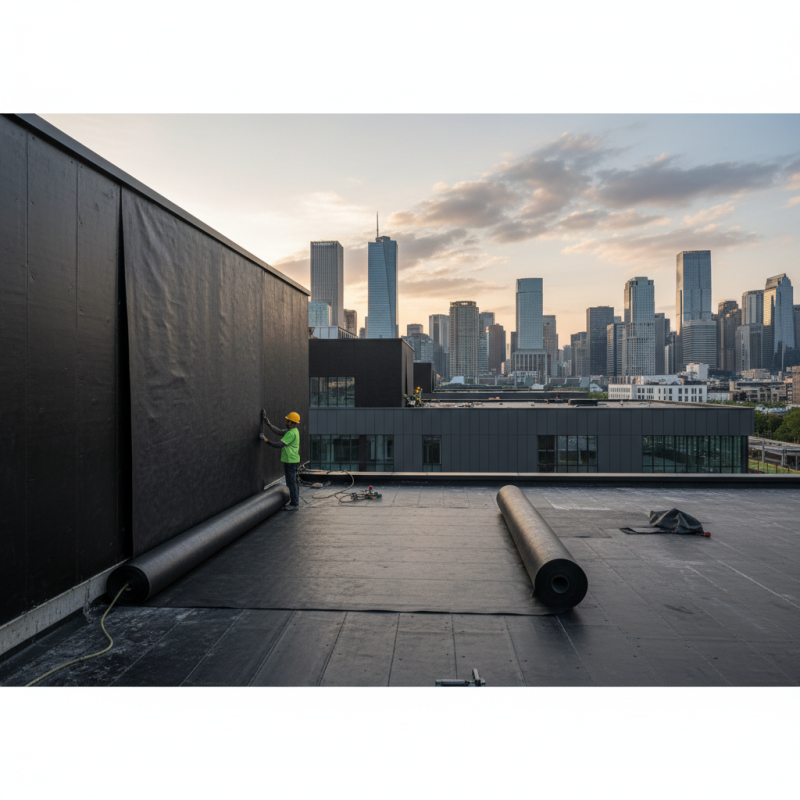
Black ePTFE membranes are becoming increasingly popular in modern construction techniques due to their exceptional properties that enhance both waterproofing and structural integrity. These membranes are known for their outstanding resistance to harsh environmental conditions, making them ideal for buildings exposed to extreme weather. Their excellent water repellency combined with breathability ensures that moisture is effectively managed, thereby preventing structural damage such as mold and decay. This unique characteristic provides long-lasting durability, making ePTFE a valuable component in sustainable construction practices.
When considering the integration of black ePTFE membranes in your projects, here are some tips to ensure optimal performance. First, it’s essential to assess the specific environmental conditions your structure will face. This includes factors like humidity, temperature fluctuations, and exposure to UV rays. Selecting the right thickness and specifications of the ePTFE membrane can significantly impact its effectiveness. Additionally, proper installation is crucial; make sure to work with experienced professionals who understand the nuances of working with these advanced materials to maximize their benefits.
Another advantage of black ePTFE membranes is their aesthetic appeal, which can be a plus in modern architecture. Their unique black color not only enhances the visual aspect of a building but also helps in heat absorption in colder climates, promoting energy efficiency. For an effective installation, consider coordinating with design teams early in the planning stage to make the most of this material’s strengths, ensuring it aligns well with both functional and aesthetic goals.
Durability and Longevity: Performance Metrics of Black ePTFE Membranes
Black ePTFE (expanded polytetrafluoroethylene) membranes are becoming increasingly popular in construction and waterproofing, primarily due to their exceptional durability and longevity. Unlike traditional materials, black ePTFE membranes exhibit remarkable resistance to extreme temperatures, UV radiation, and chemical exposure. According to a 2022 industry report, black ePTFE membranes can maintain their integrity and performance for over 25 years, significantly reducing the need for frequent replacements and repairs. This longevity translates to lower lifecycle costs for buildings and infrastructure projects.
In terms of performance metrics, black ePTFE membranes exhibit outstanding tensile strength, with studies showing values exceeding 20 MPa. This capability makes them ideal for high-stress applications where conventional materials may fail. Additionally, their low moisture absorption rate (less than 0.02%) ensures that they remain impervious to water damage, enhancing their effectiveness in waterproofing solutions. These characteristics make black ePTFE membranes a go-to choice for architects and engineers looking to optimize their designs for longevity and reliability.
Tip: When considering black ePTFE membranes for your projects, make sure to assess the environmental conditions they will face. Proper installation techniques are crucial to maximizing their lifespan and ensuring optimal performance. It's also important to consult with professionals to tailor the specifications to your project needs, helping avoid costly mistakes later on.
Comparative Analysis: Black ePTFE vs. Traditional Waterproofing Solutions
In recent years, black expanded polytetrafluoroethylene (ePTFE) membranes have gained recognition as a superior alternative to traditional waterproofing solutions in construction. Unlike conventional membranes, which often rely on asphalt or rubber, black ePTFE membranes are known for their remarkable durability and chemical resistance. According to a study by the Waterproofing Research Institute, ePTFE solutions can extend the lifespan of waterproofing applications by up to 30%, providing a cost-effective solution for long-term projects.
When comparing black ePTFE membranes to traditional options like PVC or EPDM, the differences in performance are significant. Traditional membranes often face challenges such as punctures, tear resistance, and UV degradation. In contrast, black ePTFE not only boasts a high tensile strength but also remains stable under a wide range of temperatures, maintaining its integrity in extreme conditions. Data from the Building Materials Journal highlights that ePTFE membranes exhibit over 90% effectiveness in water barrier performance, significantly outperforming conventional materials that typically hover around 75% under similar testing conditions.
Moreover, black ePTFE membranes are lighter and easier to install, which translates to reduced labor costs and shorter project timelines. A comparative analysis conducted by the National Construction Council indicated that the use of ePTFE could decrease installation time by as much as 25% compared to traditional methods. As the construction industry moves towards more sustainable and efficient practices, the adoption of black ePTFE membranes is poised to reshape waterproofing solutions for the future.
Top Benefits of Using Black ePTFE Membrane in Construction and Waterproofing - Comparative Analysis: Black ePTFE vs. Traditional Waterproofing Solutions
| Feature |
Black ePTFE Membrane |
Traditional Waterproofing Solutions |
| Waterproofing Effectiveness |
Excellent, high resistance to water penetration |
Varies, generally adequate but may degrade over time |
| Durability |
Long-lasting, resistant to UV and chemical exposure |
Can wear down with environmental exposure |
| Installation Complexity |
Moderate; requires skilled professionals |
Generally easier; can be DIY but requires thorough preparation |
| Cost |
Higher initial investment, but lower lifecycle costs |
Lower initial costs, but potential for higher maintenance and replacement costs |
| Environmental Resistance |
Excellent resistance to mold, mildew, and algae |
May be susceptible to mold and other environmental factors |
Sustainability and Environmental Impact of Black ePTFE Membrane Use
The use of black ePTFE membranes in construction and waterproofing is gaining traction, particularly due to their sustainable properties and favorable environmental impact. Made from expanded polytetrafluoroethylene, these membranes are not only highly durable but also contribute to reducing waste in construction processes. Their lightweight nature allows for easier transport and installation, which consequently minimizes carbon emissions associated with heavy machinery and transportation.
Moreover, black ePTFE membranes are resistant to harsh environmental conditions, significantly extending the lifespan of roofing and waterproofing systems. This durability reduces the need for frequent replacements, leading to lower resource consumption over time. Additionally, these membranes exhibit excellent thermal insulation properties, which can enhance energy efficiency in buildings. By minimizing the energy needed for heating and cooling, they contribute to lower greenhouse gas emissions and a smaller overall carbon footprint. As the construction industry increasingly prioritizes sustainable practices, the incorporation of black ePTFE membranes aligns with the goals of reducing environmental impact while ensuring structural integrity and longevity.
Top Benefits of Using Black ePTFE Membrane in Construction and Waterproofing
This chart illustrates the various benefits of using Black ePTFE Membrane in construction and waterproofing applications, highlighting aspects such as durability, waterproofing efficiency, sustainability, and environmental impact.
Cost-Efficiency: A Financial Perspective on Black ePTFE in Building Projects
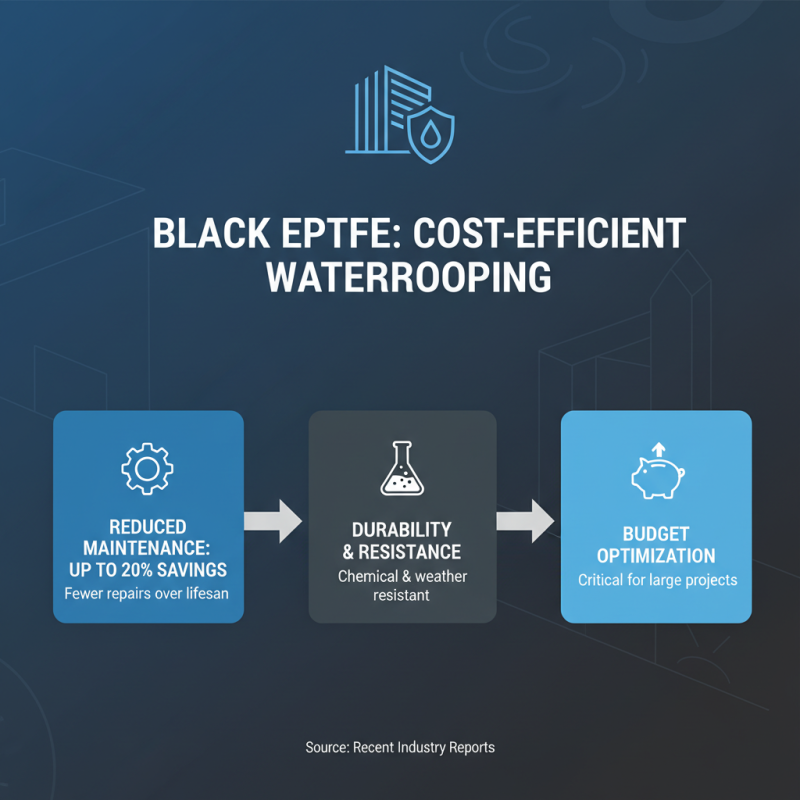
The use of black ePTFE membrane in construction and waterproofing has gained attention due to its impressive cost-efficiency. Recent industry reports indicate that buildings utilizing advanced waterproofing technologies can reduce overall maintenance costs by up to 20% over their lifespan. Black ePTFE, known for its exceptional chemical resistance and durability, minimizes the need for frequent repairs, allowing construction projects to allocate funds more effectively. This efficiency is critical in large-scale developments where budget overruns can pose significant risks.
Moreover, the long-term economic benefits of black ePTFE membranes extend beyond immediate installation costs. A study conducted by the International Waterproofing Association revealed that projects using high-performance membranes can achieve up to 30% reductions in energy costs attributed to improved insulation and less moisture infiltration. By investing in materials like black ePTFE, construction firms are not only securing their structures against water damage but also contributing to sustainable practices that can lead to significant long-term savings, ultimately benefiting both developers and the environment.