2026 Best Acoustic Membrane Options for Superior Sound Quality?
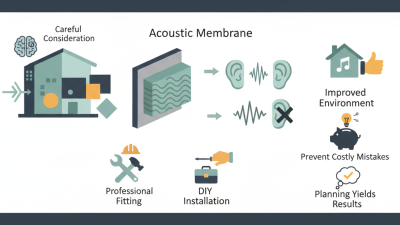
In the quest for superior sound quality, choosing the right acoustic membrane is essential. Acoustic membranes play a vital role in sound insulation and acoustic treatment. They can transform a regular space into a sound haven.
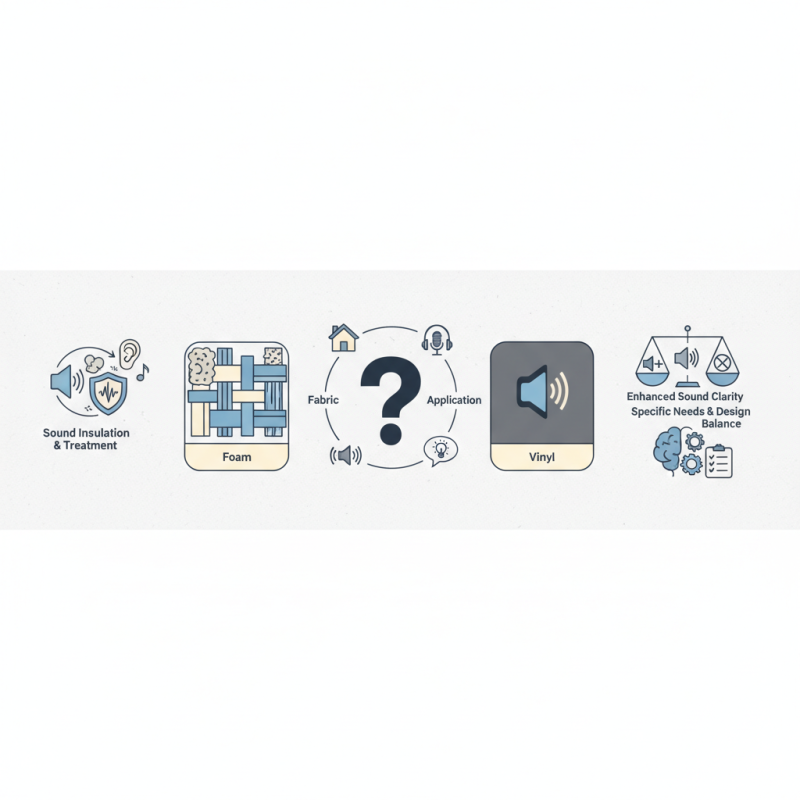
Different acoustic membranes vary significantly in properties. Materials such as foam, fabric, or vinyl can impact sound absorption. Each type offers unique benefits for various environments, especially in recording studios or home theaters. Consider the application to maximize effectiveness.
Selecting the best acoustic membrane may not be straightforward. Users often overlook essential details. The right choice can enhance sound clarity and reduce noise levels. It's important to reflect on specific needs before making a decision. Balancing design with sound quality can present challenges.
Overview of Acoustic Membrane Technology and Its Importance
Acoustic membrane technology plays a crucial role in sound quality. These membranes absorb sound waves, minimizing distortion and enhancing clarity. They are essential in both professional studios and home environments. According to a recent industry report, effective use of acoustic membranes can reduce noise by up to 25%. This makes them a valuable investment for anyone serious about sound.
When selecting an acoustic membrane, consider the material. Different materials have varying absorption rates. Some are better at lower frequencies, while others excel at higher pitches. A thoughtful choice can directly influence the sound experience. Many experts recommend testing materials in your specific environment. This ensures you achieve the desired results.
Tip: Always assess the room size and expected usage before installation. This can help eliminate potential issues, such as uneven sound distribution. Another tip is to create a balanced arrangement of membranes. This prevents over absorption in one area, which might lead to acoustical dead spots. In acoustic treatment, trial and error can often lead to the best outcomes. Don’t hesitate to make adjustments as necessary.
2026 Best Acoustic Membrane Options for Superior Sound Quality
This chart illustrates the sound absorption coefficients of different acoustic membrane materials tested at various frequencies. Higher values indicate better sound absorption capabilities, essential for improving sound quality in diverse environments.
Key Features to Consider When Choosing Acoustic Membranes
When selecting acoustic membranes, sound absorption is crucial. Look for materials that effectively reduce echoes and background noise. Thicker membranes generally offer better performance. However, not all spaces require the same thickness. Understanding the specific acoustics of your area can lead to better decisions.
Durability is another key feature. Acoustic membranes should withstand wear and tear over time. Check for resistance to moisture and impact. Some membranes may look appealing but lack long-lasting performance. Aesthetic appeal matters too. The right color or texture can enhance a room's design while serving a function.
Lastly, installation ease should not be overlooked. Complex setups may lead to improper placement and diminished sound quality. Consider membranes that are straightforward to install. While it may seem like a minor detail, ensuring proper alignment is vital for achieving optimal sound control. Investing time in this process can yield significant rewards in the long run.
2026 Best Acoustic Membrane Options for Superior Sound Quality
| Membrane Type |
Thickness (mm) |
Frequency Range (Hz) |
NRC Rating |
Application |
| Polyester Fiber |
12 |
100 - 2000 |
0.85 |
Musical Studios |
| Foam Panels |
50 |
80 - 3000 |
0.90 |
Home Theaters |
| Wooden Panels |
15 |
100 - 5000 |
0.75 |
Concert Halls |
| Mass Loaded Vinyl |
2 |
50 - 4000 |
0.95 |
Recording Studios |
| Genuine Acoustic Curtains |
5 |
100 - 3500 |
0.88 |
Theaters and Studios |
Top Acoustic Membrane Options Available in 2026
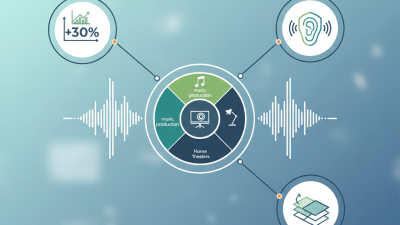
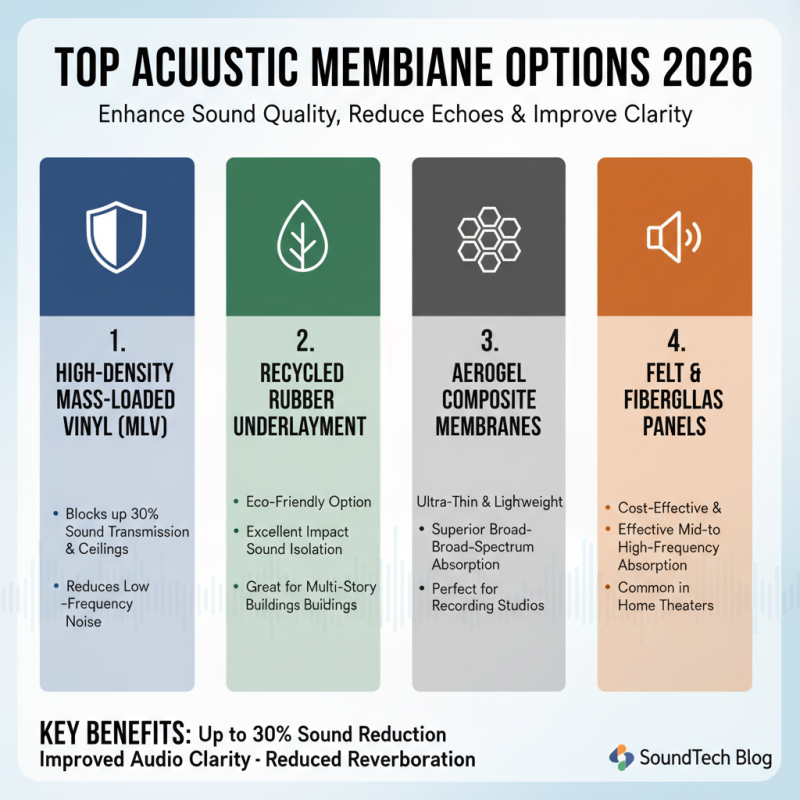
Acoustic membranes play a pivotal role in enhancing sound quality across various settings. In 2026, several options stand out for their superior performance. Research shows that these materials can absorb sound frequencies effectively, reducing echoes and improving clarity. A recent industry report highlights that high-density membranes can decrease sound transmission by 25% to 30%. This improvement can be crucial in environments like recording studios or home theaters.
When selecting an acoustic membrane, consider both the material and thickness. Thicker membranes generally offer better sound absorption. However, cost can be a factor. Look for materials that balance performance and price. Also, explore design possibilities; some membranes come in various textures and colors, adding aesthetic value.
Tip: Always test the membranes in your specific environment. What works for one space might not for another. Acoustic properties vary widely based on room dimensions and furniture placement.
Remember, not every solution is perfect. Some membranes can be overly rigid, leading to unwanted reflections. Reflect on how your chosen option interacts with existing elements in your space. The right acoustic membrane can significantly enhance your sound experience while also fitting your design needs.
Comparative Analysis of Acoustic Membranes for Different Environments
Choosing the right acoustic membrane can significantly enhance sound quality in various environments. For studios, high-density membranes can reduce reverberation and improve clarity. According to the Acoustical Society of America, well-placed membranes can cut sound transmission by more than 25%. This reduction is crucial for musicians and recording artists seeking optimal sound fidelity.
In office spaces, lighter membranes work better. These materials can absorb mid to high frequencies, helping to minimize distracting background noise. A study by the National Institute of Standards and Technology shows that reducing echo can improve workplace communication by up to 30%. This is essential for productivity and focus in a busy environment.
Tips: Consider using thicker membranes for soundproof rooms, while lighter options suit casual spaces. Always assess your specific acoustic needs before deciding. Experimenting with various placements can yield better results, as not all positions are equally effective.
Future Trends in Acoustic Membrane Development and Usage
As we delve into the future trends in acoustic membrane development, it’s clear that innovation is on the rise. Manufacturers are focusing on new materials that enhance sound absorption. This could redefine noise control in urban environments. New technology is being explored to create membranes that are not only lightweight but also highly effective. Imagine spaces that are calmer and more peaceful.
Tips: Look for eco-friendly materials. They often provide good sound dampening while being sustainable.
Developments in smart technology are also influencing acoustic membranes. The rise of sensors can lead to membranes that adjust to different noise levels automatically. These adaptive features may soon become standard in residential and commercial spaces. There’s a growing need for versatile solutions that can cater to specific acoustic requirements.
Tips: Consider the placement of acoustic membranes. Optimal positioning can drastically impact performance and sound quality.
However, challenges remain. The balance between efficiency and cost is tricky. Some advanced materials are expensive, which might limit their use in certain projects. As we look ahead, it’s essential to reflect on how we can maximize the benefits while remaining mindful of budgets. This might require innovation in not just materials but also installation techniques.