10 Best Acoustic Vent Membranes for Soundproofing Your Space
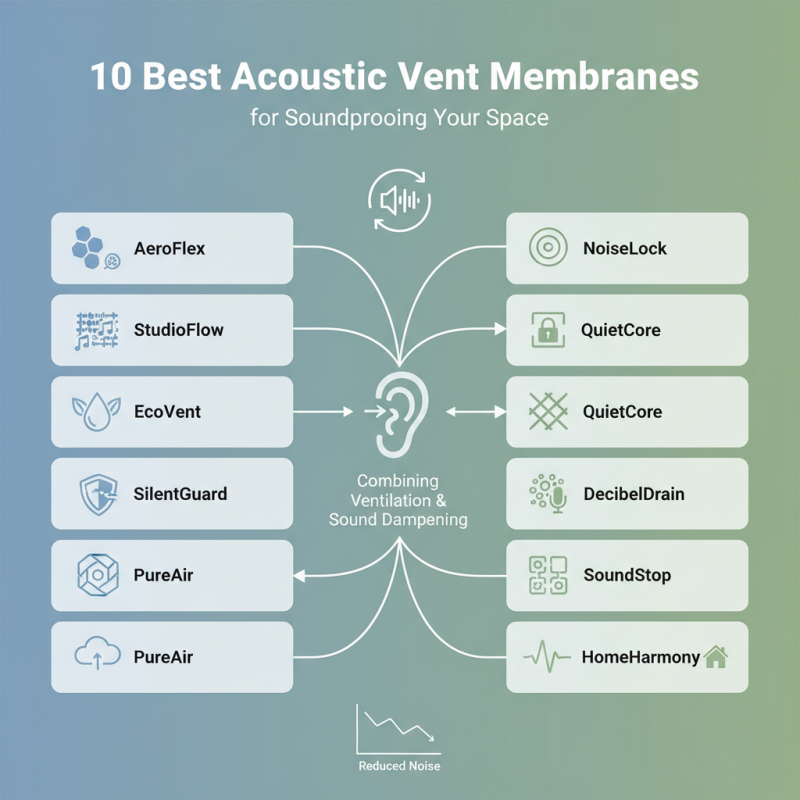
In the quest for a quieter, more tranquil living space, the importance of soundproofing cannot be overstated. Acoustic Vent Membranes have emerged as a crucial component in the sound insulation toolkit, effectively combining ventilation with the necessary sound dampening properties. According to Dr. Emily Carter, an expert in acoustic engineering, “The right choice of Acoustic Vent Membrane can significantly reduce airborne noise while maintaining essential airflow, transforming how we approach soundproofing in our environments.”
Selecting the best Acoustic Vent Membrane can dramatically enhance the acoustic performance of any room, whether it's a home theater, recording studio, or even a workspace. These membranes provide a sophisticated solution that addresses both noise control and ventilation, a dual necessity that many soundproofing methods overlook. As professionals in the industry emphasize, not all membranes are created equal; hence, understanding their properties, benefits, and applications is vital for achieving optimal results.
In this article, we will explore the top 10 Acoustic Vent Membranes that can elevate your soundproofing efforts, ensuring your spaces remain serene and undisturbed while still breathing fresh air. Discover how these innovative products can help you create the perfect atmosphere for relaxation, creativity, or productivity.
Understanding Acoustic Vent Membranes and Their Importance
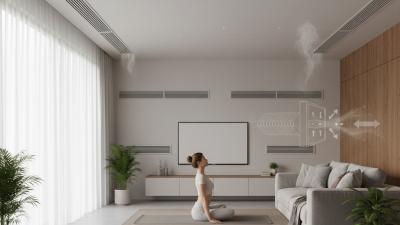
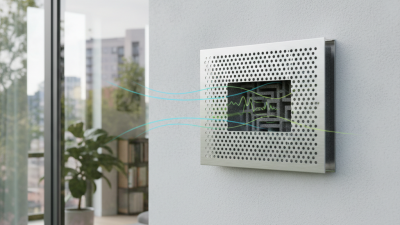
Acoustic vent membranes are specialized materials designed to enhance soundproofing in various environments. These membranes are essential in both residential and commercial spaces, as they effectively restrict sound transmission while allowing air to circulate. Understanding the importance of these membranes lies in their dual functionality; they not only aid in maintaining a comfortable indoor climate but also contribute significantly to noise control, which is crucial in creating peaceful living or working environments.
The design and composition of acoustic vent membranes play a critical role in their effectiveness. Typically made from dense, flexible materials, they can absorb and dampen sound waves, preventing them from traveling through ventilation systems. This is particularly important in settings such as recording studios, offices, or homes located in noisy urban areas, where external noise can disrupt daily activities. By incorporating high-quality acoustic vent membranes, one can ensure a more controlled auditory experience, ultimately enhancing overall well-being and productivity.
Key Features to Look for in Acoustic Vent Membranes
When selecting acoustic vent membranes for soundproofing your space, there are several key features to consider to ensure optimal performance. First, look for materials with high sound absorption properties. Membranes made from specialized acoustic fabrics or dense composites are designed to reduce sound transmission, effectively minimizing the amount of noise that can pass through vents. The thickness and density of the membrane play crucial roles in its ability to dampen sound, so prioritize products that offer substantial mass.
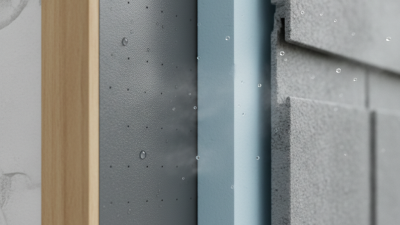
Another important aspect is the membrane's resistance to moisture and temperature fluctuations. Acoustic vents are often installed in environments where humidity levels can change, such as basements or kitchens. A membrane that can withstand various environmental conditions without compromising its acoustic properties will ensure longevity and sustained performance. Additionally, consider the ease of installation and maintenance. User-friendly membranes that require minimal tools and effort to install not only save time but also ensure a proper fit, which is critical in maximizing soundproofing efficiency.
10 Best Acoustic Vent Membranes for Soundproofing Your Space - Key Features to Look for in Acoustic Vent Membranes
| Membrane Type |
Material |
Noise Reduction Rating (NRR) |
Weight (per sq ft) |
Installation Method |
Durability |
| Standard Acoustic Membrane |
Polypropylene |
30 dB |
0.5 lbs |
Adhesive |
5 years |
| Heavy Duty Acoustic Membrane |
Rubber |
35 dB |
1.2 lbs |
Staple |
10 years |
| Eco-Friendly Acoustic Membrane |
Recycled materials |
28 dB |
0.8 lbs |
Adhesive |
3 years |
| Sound Barrier Membrane |
Mass Loaded Vinyl |
40 dB |
1.5 lbs |
Directly applied |
15 years |
| Flexible Acoustic Membrane |
Polyethylene |
33 dB |
0.6 lbs |
Snap-On |
7 years |
Top 10 Acoustic Vent Membranes: A Comprehensive Review
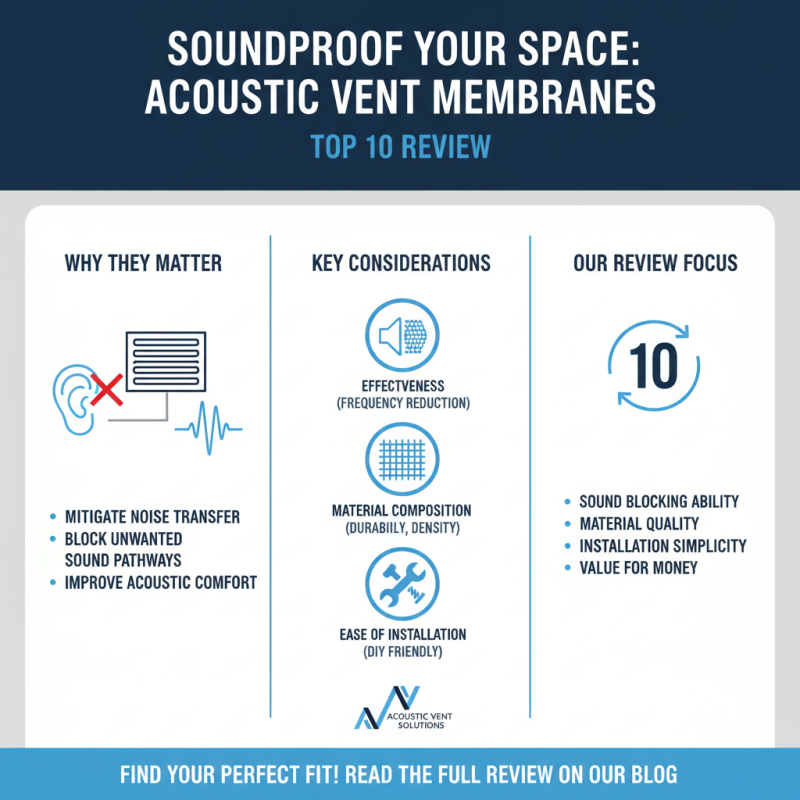
When it comes to soundproofing your space, the importance of selecting the right acoustic vent membrane cannot be overstated. These membranes are designed to mitigate sound transmission through ventilation systems, which can often act as pathways for unwanted noise. In our comprehensive review of the top 10 acoustic vent membranes, we evaluate their effectiveness, material composition, and ease of installation. Each option is assessed based on its ability to reduce sound frequency transmission, providing you with valuable insights into which products will best suit your soundproofing needs.
In this review, we delve into various features that define high-quality acoustic vent membranes. Key factors include the thickness of the membrane, its density, and the specific acoustic ratings that determine its performance in sound dampening. We also discuss the versatility of these products, highlighting options that can easily integrate into different types of ventilation systems without compromising functionality. By analyzing user experiences and performance metrics, this guide serves as an essential resource for anyone looking to enhance the acoustic comfort of their environment.
Installation Considerations for Acoustic Vent Membranes
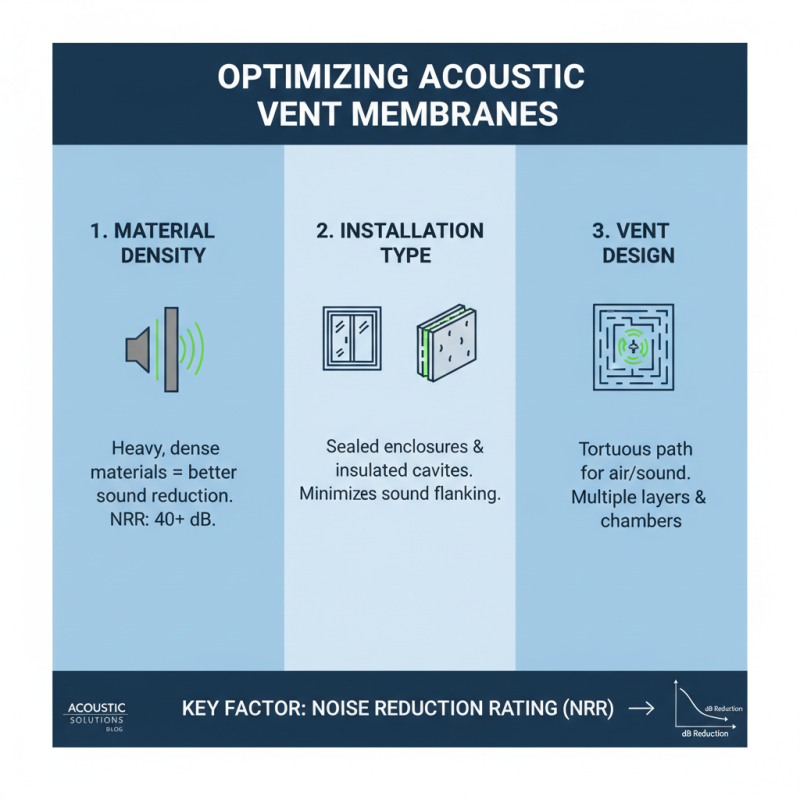
When considering the installation of acoustic vent membranes, several key factors must be taken into account to optimize their effectiveness in soundproofing. Firstly, the materials used in these membranes play a critical role in their acoustic performance. According to a study published by the International Journal of Acoustics and Vibration, membranes made of heavy, dense materials tend to better reduce sound transmission, delivering noise reduction ratings (NRR) that can range upwards of 40 decibels, depending on the installation scenario.
Moreover, proper sealing around the membranes is essential to prevent sound leaks. Research indicates that poorly sealed vents can negate the benefits of high-quality acoustic membranes, as sound can travel through small gaps, resulting in a considerable drop in performance. Installation considerations, such as ensuring the membranes are shop-fabricated to specific dimensions and utilizing acoustic caulking where appropriate, significantly enhance the overall soundproofing capabilities. A report from the Building Research Establishment emphasizes that attention to detail in the installation phase can lead to improvements in energy efficiency and occupant comfort by minimizing unwanted noise intrusion, which can be particularly crucial in residential and commercial spaces.
Finally, the orientation and placement of the acoustic vent membranes must align with the design of the space. Strategic positioning in areas with high noise exposure can amplify their soundproofing benefits. Engaging with acoustic design specialists during the planning phase can help identify optimal locations and configurations, leveraging both empirical data and design best practices to maximize the performance of acoustic vent membranes in managing sound transmission.
Comparative Analysis: Acoustic Vent Membranes vs. Traditional Soundproofing Solutions
When it comes to soundproofing a space, the choice between acoustic vent membranes and traditional soundproofing solutions can significantly influence overall effectiveness and practicality. Acoustic vent membranes are specifically designed to allow for airflow while suppressing unwanted noise, making them ideal for environments where ventilation is essential without compromising on sound isolation.
In contrast, traditional soundproofing methods, such as heavy drywall or soundproof tiles, focus primarily on mass to block sound transmission. While these options are often more effective at isolating sound, they can restrict airflow, which could lead to other issues, such as humidity problems.
In a comparative analysis, one notable advantage of acoustic vent membranes is their versatility. They can be installed in walls, ceilings, and even in existing vents without extensive renovation. This adaptability suits various applications, from residential spaces to commercial environments.
Furthermore, acoustic vent membranes often provide aesthetic benefits, seamlessly blending with existing decor while performing effectively. On the other hand, traditional solutions may require more effort and cost in terms of installation and can be cumbersome, especially in scenarios where flexibility is required. Ultimately, the decision between these two approaches should be guided by specific needs, such as the importance of ventilation versus the desired level of sound insulation.