China Top 10 Adhesive Vent Sticker Suppliers?
Choosing a reliable Adhesive Vent Sticker supplier requires more than comparing prices or catalog photographs. In China, manufacturers serve industries such as automotive electronics, outdoor lighting, sensors, batteries, and compact control devices. Each application may need different airflow, water resistance, adhesive strength, and temperature performance. A sticker that works on a smooth ABS housing may fail on textured metal.
This guide explores ten leading Chinese suppliers and the qualities that separate experienced manufacturers from simple trading companies. We consider material selection, membrane technology, adhesive compatibility, cleanroom control, customization, and production capacity. We also examine practical evidence, including test reports, sample quality, packaging details, and communication during development. These details often reveal more than a polished website.
Performance comes first.
A dependable supplier should explain its testing methods clearly. Useful checks include air permeability, waterproof protection, peel strength, aging resistance, and exposure to heat or chemicals. Certificates can support credibility, but they should match the actual product and factory. Buyers should request current documentation and test samples before placing larger orders.
No supplier is perfect. Even a strong manufacturer may have limited experience with a particular enclosure material or climate. This guide therefore avoids relying only on rankings. It focuses on verifiable capabilities, responsive engineering support, and consistent delivery records. Some conclusions may change after deeper factory audits or long-term field testing. That uncertainty deserves attention. The best Adhesive Vent Sticker partner is not always the cheapest option, but the one that understands the application and proves its claims.

What Are Adhesive Vent Stickers and How Do They Work?
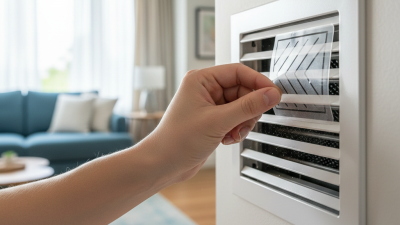
Adhesive vent stickers are small pressure-control components used on sealed or semi-sealed enclosures. They usually combine a breathable membrane with a pressure-sensitive adhesive layer. The membrane allows air and vapor to move slowly. It helps block liquid water, dust, and other particles from entering the housing.
Inside an enclosure, temperature changes can create pressure differences. Heating expands trapped air. Cooling creates partial vacuum. Without a vent, seals may deform or moisture may be pulled inward. The sticker reduces this imbalance while preserving the enclosure’s protective structure.
It is not a simple hole. Its pores are engineered to manage airflow and resist contaminants. Some designs also support chemical resistance and controlled moisture release.
In practical assembly work, surface preparation matters more than many buyers expect. Dust, oil, rough texture, or curved edges can weaken the adhesive bond. The vent should be placed on a clean, flat area with enough clearance around it. I once underestimated the effect of a slightly uneven plastic surface. The part looked secure, yet testing showed leakage around the adhesive edge. That detail matters.
Reliable suppliers should provide airflow data, water-entry testing, adhesive temperature ranges, and aging results. Ask how the membrane performs after vibration and repeated heating cycles. Laboratory figures help, but real enclosure testing remains necessary. Small vents can behave differently after assembly. Careful validation prevents confident guesses from becoming expensive design problems.
Why Source Adhesive Vent Stickers from Chinese Suppliers?
China Top 10 Adhesive Vent Sticker Suppliers?
Why Source Adhesive Vent Stickers from Chinese Suppliers?
China offers a deep manufacturing base for adhesive vent stickers, especially breathable membrane components used in electronics, lighting, automotive parts, and outdoor equipment. World Bank manufacturing data consistently ranks China among the world’s largest industrial producers. This scale supports stable material purchasing, faster tooling, and flexible converting capacity. Buyers can request die-cut shapes, adhesive grades, membrane colors, and packaging formats from one production region.
Cost remains important, but it should not be the only reason. Grand View Research reports that the global adhesive tapes market reached tens of billions of dollars, with continued growth expected through 2030. This expanding market encourages Chinese factories to improve coating accuracy, clean-room handling, and automated inspection. MarketsandMarkets also identifies rising demand for protective and functional films in electronics and automotive applications. Those trends support better supplier specialization.
In practice, a qualified supplier should provide peel-strength data, air-permeability results, temperature testing, and batch traceability. Ask for samples first. Small details matter, such as liner curling, adhesive overflow, or uneven die cutting. Some quotations look attractive but exclude testing and export packaging. That is where buyers can misjudge value. Factory audits, material certificates, and controlled pilot orders reduce avoidable risk. China can offer strong advantages, though supplier verification still requires patient technical review.
China’s Top 10 Adhesive Vent Sticker Suppliers
China’s Top 10 Adhesive Vent Sticker Suppliers
China’s top 10 adhesive vent sticker suppliers are usually judged by material quality, airflow control, and production consistency. These suppliers serve electronics, automotive parts, lighting, sensors, and outdoor equipment manufacturers. Their vent stickers commonly use microporous membranes, pressure-sensitive adhesive, and protective liners. The right structure helps release pressure while limiting water, dust, and oil entry.
A reliable supplier should provide test data for air permeability, water resistance, adhesive strength, and temperature performance. Factory experience matters here. A vent sticker may look simple, but poor die-cutting can leave uneven edges or blocked pores. Ask for samples from different production batches. Check adhesion after heat, humidity, vibration, and surface contamination. Technical drawings should state thickness, vent diameter, tolerance, and application surface. Vague documents deserve caution.
The top ten list should not rely only on online visibility. I would examine process control, clean-room handling, inspection records, and response speed. Some suppliers offer custom shapes, printed liners, and automated dispensing formats. That can reduce assembly labor. However, customization may increase lead time and tooling costs. A ranking is never fully objective. One supplier may excel in automotive testing, while another performs better with compact electronic housings. Buyers should compare actual samples, not polished claims. I would also request failure analysis when a sample peels, wrinkles, or leaks. That response often reveals more than a sales presentation.
China Top 10 Adhesive Vent Sticker Suppliers? - China’s Top 10 Adhesive Vent Sticker Suppliers
Specifications are typical industry ranges for China-manufactured adhesive vent stickers. Actual performance, certification status, minimum order quantity, and delivery time should be confirmed with each supplier through samples and technical documentation.
How to Compare Materials, Performance, and Customization Options
When comparing China’s top adhesive vent sticker suppliers, start with the membrane material, not the catalog price. Expanded PTFE usually offers strong airflow and water resistance for sealed electronics. Polyester and polyurethane films may suit less demanding housings. Check pore structure, thickness, and adhesive compatibility with plastic surfaces. A vent that works on ABS may peel from oily polypropylene.
Performance claims need practical evidence. Ask for airflow data at a stated pressure, water-entry resistance, temperature range, and aging results. Request samples in the actual housing design. Place them near a warm motor, expose them to humidity, and inspect the edges after repeated temperature changes. Small wrinkles matter. They can create leakage paths. Supplier test reports are useful, but independent verification is more reliable.
Customization can include die-cut shape, roll or sheet delivery, liner selection, adhesive strength, and printed identification. Confirm dimensional tolerance, placement accuracy, and batch traceability before approving mass production. A capable supplier should explain how surface energy, vent diameter, and housing texture affect bonding. I have seen projects focus too heavily on color and overlook adhesive residue. That mistake is easy to make. It is also costly to correct. Ask about sample approval, storage conditions, production inspection, and replacement procedures. Clear answers often reveal more than polished sales language.
China Top 10 Adhesive Vent Sticker Suppliers: Material and Performance Comparison
The chart compares common adhesive vent sticker material options using a 1–5 performance scale. Higher scores indicate stronger typical performance in each category. Ratings are material-level benchmarks and should be confirmed against each supplier’s technical data sheet.
Evaluation dimensions: airflow and breathability, water resistance, temperature stability, and customization flexibility.
How to Select the Best Supplier for Your Application
China Top 10 Adhesive Vent Sticker Suppliers: How to Select the Best Supplier for Your Application
Choosing among leading adhesive vent sticker suppliers requires more than comparing prices. Match the vent membrane, adhesive, and backing material with your enclosure design. Check airflow, pressure equalization, water resistance, dust protection, and operating temperature. A supplier should provide test data, material specifications, and batch records. Ask for samples installed on your actual housing. Laboratory results alone may not predict field performance.
Experience matters. Review the supplier’s production controls, inspection process, and history with similar applications. A capable technical team should explain adhesive aging, surface preparation, and application pressure clearly. Request pilot samples from different production batches. Consistency is critical. A polished catalog can still hide weak batch control. I have learned that rushed testing often creates expensive rework later.
Tips: Confirm the vent’s pore structure and adhesive compatibility before ordering. Test on plastic, coated metal, or textured surfaces used in production. Measure adhesion after heat, humidity, vibration, and cleaning exposure. Ask how defects are handled and how quickly replacement samples can be supplied. Do not select a supplier only because it offers the lowest quotation. A slightly higher cost may reduce leakage, detachment, and warranty risk. Also, keep written specifications and approval records. Small details matter.