Inquiry
Form loading...
Choosing an Adhesive Vent Sticker is not just a matter of matching a label to a package. The sticker must allow air or pressure to pass while helping protect the product from dust, moisture, or leakage. The right balance depends on what is inside, how it is packed, and where it will travel. Small details matter. A vent that performs well on a hand-filled bottle may behave differently on a fast production line.
Global buyers should compare the membrane material, adhesive strength, vent rate, and compatibility with the container surface. Ask suppliers for technical data and samples, then test them on the actual packaging. Check performance after exposure to expected temperature changes, vibration, and storage conditions. A clean-looking sample is useful, but it is not proof of long-term reliability. Nor is a single test enough. Results can vary with application pressure, surface cleanliness, and production speed.
Clear supplier communication also matters. Share the package material, product type, filling process, and intended shipping conditions before requesting a recommendation. Confirm dimensions, application guidance, and available quality documentation. Requirements can differ between markets and product categories, so buyers should verify applicable packaging and labeling obligations with qualified local specialists. Be cautious of broad performance claims without supporting test details. I have seen specifications look reassuring on paper, yet leave practical questions unanswered. That uncertainty is worth addressing early. A careful selection process helps buyers reduce avoidable packaging issues, compare offers fairly, and choose a vent sticker suited to real operating conditions—not just a catalog description.
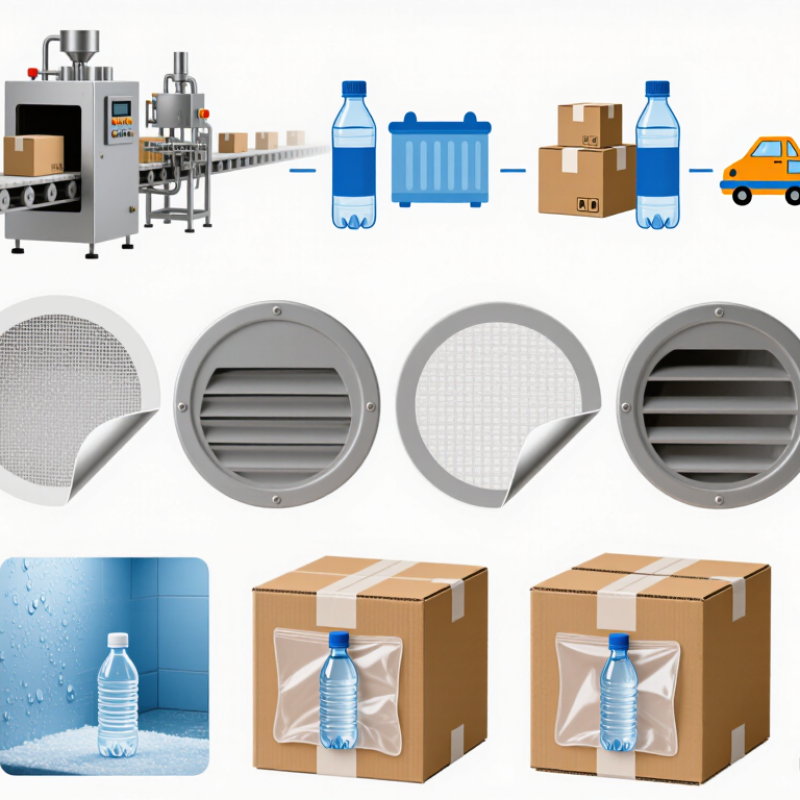
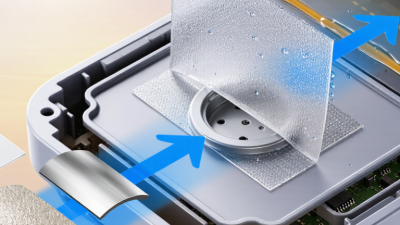
Before choosing an adhesive vent sticker, define what it must protect and where it will work. A battery enclosure may need pressure equalization, while a sensor housing may need dust resistance and stable airflow. The application decides the vent structure, adhesive type, and required protection level. Write down exposure to water, oil, heat, vibration, and cleaning chemicals. Small details matter.
Performance needs should be measurable, not based on appearance alone. Specify airflow rate, water-entry resistance, operating temperature, burst pressure, and expected service life. If the enclosure releases heat, check whether the vent can pass air without allowing liquid droplets inside. For outdoor equipment, test splash, humidity, ultraviolet exposure, and repeated temperature changes. Laboratory data helps, but real installation can disagree. A crooked application or contaminated surface may reduce adhesion sharply.
Select adhesive compatibility with the housing material, such as painted metal, glass, or engineered plastic. Confirm peel strength after aging, not only after application. The surface should be clean, dry, and free from release agents. Apply steady pressure across the entire sticker. Then inspect the edge. A useful qualification plan includes sample testing, aging tests, and production-line trials. Keep records of lot changes, installation pressure, and failure observations. It is tempting to specify the highest protection rating, but excessive restriction may hurt pressure balance. That trade-off deserves review.
| Application Purpose | Typical Performance Priority | Indicative Design Target | Adhesive and Surface Considerations | Suggested Validation |
|---|---|---|---|---|
| Pressure equalization Sealed enclosures, sensor housings, and outdoor electrical equipment |
Air exchange to reduce pressure differences while limiting liquid-water entry | Specify airflow at a stated pressure differential; consider a water-entry-pressure requirement suited to the enclosure’s exposure. A project may screen for water-entry pressure of at least 10 kPa, subject to design and test method. | Confirm adhesion to the enclosure material, such as painted metal or molded plastic. Check surface energy, curvature, and whether the surface has mold-release residue. | Measure airflow and water-entry pressure using agreed methods; test adhesion and enclosure performance after temperature and humidity exposure. |
| Moisture and splash protection Portable electronics and appliance housings |
Balance air permeability with resistance to rain, splashes, and temporary wetting | Set the required ingress-protection level for the finished product; do not infer an enclosure rating from the vent sticker alone. Check water resistance under the intended pressure and exposure duration. | Choose an adhesive compatible with the housing and service temperature. Ensure the bonding land is flat, clean, and wide enough to prevent edge lift. | Test the assembled enclosure to its intended ingress-protection procedure, including after aging and installation conditioning. |
| Dust and particle control Industrial controls, lighting, and instrument cases |
Limit particle ingress while maintaining sufficient airflow for pressure equalization | Define the particle size and exposure conditions relevant to the product. Filter efficiency and airflow should be evaluated together because finer filtration can reduce airflow. | Verify that adhesive does not squeeze into or cover the active vent area. Check compatibility with textured or coated surfaces. | Use a documented dust or particle-ingress test on the assembled product; inspect the vent for blockage after testing. |
| Condensation management Enclosures exposed to day-night temperature changes |
Allow vapor exchange and pressure equalization without compromising required liquid-water protection | Base the choice on enclosure volume, temperature cycle, humidity, and available vent area. Vapor transmission is material- and test-method-dependent, so request measured data for the selected construction. | Confirm adhesive stability during repeated hot-cold and humid-dry cycles, especially on dissimilar materials. | Run representative thermal cycling and humidity testing; monitor internal condensation and vent or adhesive condition. |
| Chemical or oil exposure Machinery, vehicle components, and process equipment |
Maintain membrane function and bond strength after contact with expected fluids or vapors | Identify each chemical, concentration, temperature, and contact duration. No single adhesive or membrane construction is suitable for every chemical environment. | Check resistance of both membrane and adhesive. Test the actual housing finish, since coatings and cleaners can affect adhesion. | Conduct immersion, splash, or vapor-exposure testing as applicable, followed by airflow, visual, and adhesion checks. |
| High- or low-temperature service Outdoor equipment, transport, and engine-adjacent devices |
Retain adhesion and vent performance across the full service-temperature range | Set minimum and maximum service temperatures from the product environment. Distinguish continuous-use limits from short-term excursion limits. | Select adhesive chemistry and backing for the substrate and temperature profile. Consider thermal expansion differences and edge-lift risk. | Test adhesion and airflow before and after temperature cycling at representative dwell times. |
| High-volume assembly Automated or manual production lines |
Consistent placement, reliable bonding, and low risk of blocked or damaged vents | Define sticker dimensions, placement tolerance, liner format, and minimum bond area. Establish incoming inspection limits for critical dimensions and function. | Check liner release force, application pressure, surface cleanliness, and the time needed to reach stable adhesion. | Run a production trial; verify placement, peel or bond performance, airflow, and defect rate using agreed sampling criteria. |
| Selection note: These are application-based planning guidelines, not universal product specifications. Confirm airflow, water resistance, filtration, adhesive compatibility, and environmental limits using the exact vent construction, substrate, test method, and finished assembly. | ||||