How to Choose the Right Acoustic Vents for Your Space?
Choosing the right acoustic vents for your space is crucial for optimal sound management. Acoustic vents play a vital role in controlling noise levels and air quality. According to a recent report from Acoustics Today, proper ventilation can reduce ambient noise levels by up to 15 dB in sensitive environments. This reduction can significantly enhance comfort and productivity.
When selecting acoustic vents, consider the size and layout of your space. The right size can enhance airflow without compromising sound isolation. A study published by the Institute of Noise Control Engineering indicates that poorly designed vents may allow excessive noise transmission. This creates a trade-off that should not be overlooked.
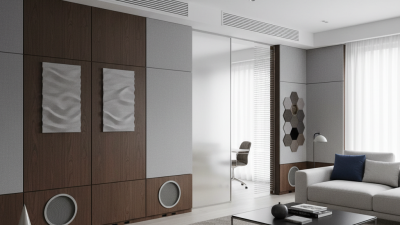
Beyond just technical specifications, aesthetics matter as well. Acoustic vents must blend seamlessly with your design but still perform efficiently. Finding the balance is often challenging and requires careful thought. An informed decision will ensure that your space meets both sound and environmental needs effectively.

Understanding the Basics of Acoustic Vents and Their Functionality
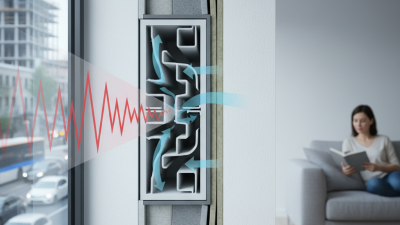
Acoustic vents play a crucial role in managing sound in various spaces. They help reduce noise levels while allowing for ventilation. Understanding their functionality can greatly enhance your living or working environment. These vents work by using sound-absorbing materials combined with strategic design to minimize noise transfer.
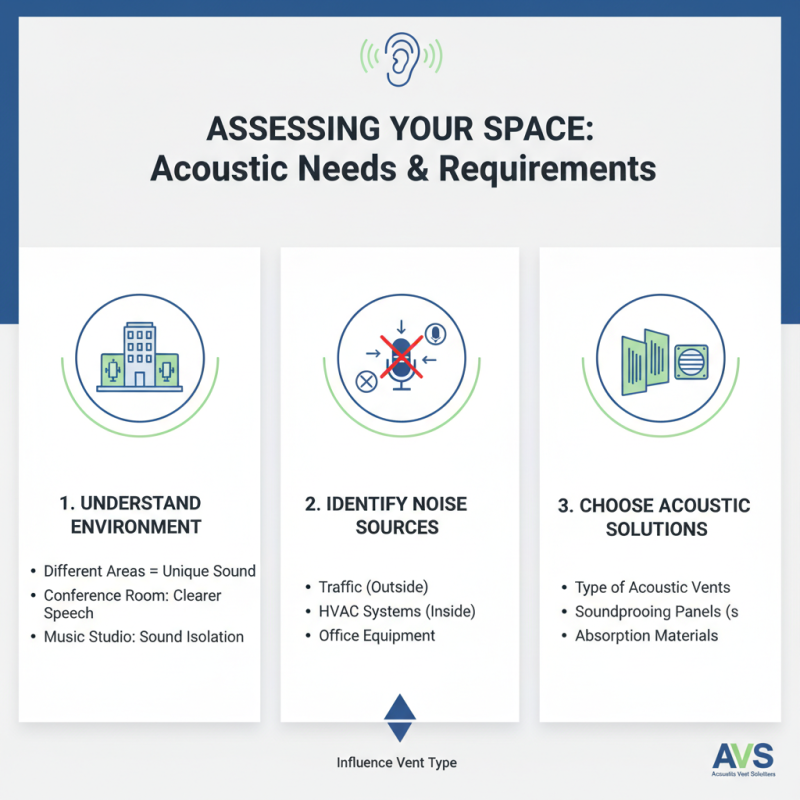
When selecting the right acoustic vents, consider the specifics of your space. Room size, layout, and purpose all affect sound dynamics. Larger rooms may require more robust solutions. Additionally, the materials used in the vents impact their effectiveness. Often, different textures, densities, and designs will yield varying results. Not every option suits every situation, so a trial-and-error approach might be necessary. Observing how sound behaves in your space can guide these choices.
It's also essential to acknowledge that not all acoustic vents perform perfectly. Some may block sound effectively but compromise airflow. Others may achieve the opposite. Finding a balance can be tricky. Regular assessment after installation helps identify weaknesses. Engaging with professionals can help ensure that you make well-informed decisions based on experience and expertise in acoustic management.
How to Choose the Right Acoustic Vents for Your Space? - Understanding the Basics of Acoustic Vents and Their Functionality
| Vent Type |
Sound Absorption Coefficient |
Ideal Room Size (sq ft) |
Material |
Price Range |
| Wall-Mounted Vents |
0.6 - 0.8 |
200 - 500 |
Fiberglass |
$50 - $150 |
| Ceiling Vents |
0.7 - 0.9 |
300 - 700 |
Mineral Wool |
$100 - $250 |
| Floor Vents |
0.4 - 0.6 |
150 - 400 |
Acoustic Foam |
$30 - $100 |
| Decorative Vents |
0.5 - 0.7 |
100 - 300 |
Wood |
$75 - $200 |
Types of Acoustic Vents: A Comprehensive Overview
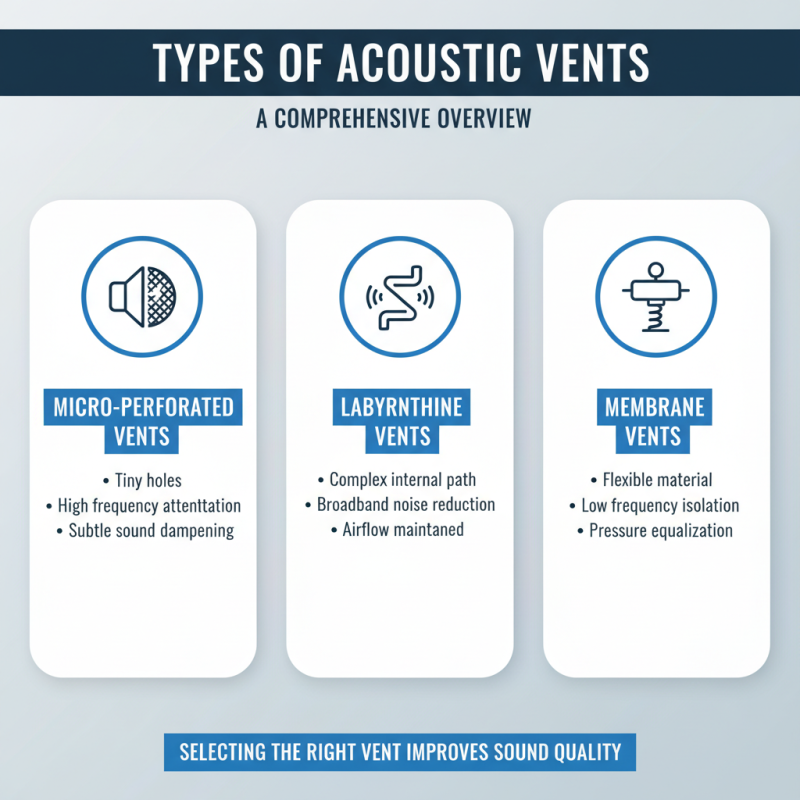
When selecting acoustic vents, understanding the different types can greatly influence sound quality in a space.
There are primarily two categories of acoustic vents: passive and active. Passive vents rely on natural airflow to mitigate sound. They usually incorporate sound-absorbing materials that help reduce noise levels. A report from the Journal of Architectural Acoustics highlights that passive systems can lower noise by up to 25%. However, they may not be suitable for all environments, particularly where air circulation is crucial.
Active vents, on the other hand, involve mechanical systems. These systems can adapt to environmental changes and often include fans or motors to manage air and sound more effectively. Research from the Acoustical Society of America indicates that active vents can improve sound isolation in high-traffic areas, reducing noise by nearly 40%. Yet, these systems often carry higher energy costs and maintenance requirements.
Selecting the right type of vent requires careful consideration of your unique space. Factors such as room size, purpose, and existing acoustics play vital roles. Not every solution fits every situation. It is essential to assess your specific needs. While passive vents may suffice in quieter settings, active vents could be necessary in louder environments. Strike a balance between efficiency and effectiveness to achieve the optimal acoustic experience.
Factors to Consider When Selecting Acoustic Vents for Your Area
Choosing the right acoustic vents for your space is crucial for achieving optimal sound quality. Many factors influence this decision. One major aspect is the size of the vents. A study by the Acoustical Society found that poorly sized vents can lead to increased noise levels. Ideal dimensions are essential for sound absorption.
Material is another key consideration. Acoustic vents can be made from various substances, including fiberglass and foam. According to industry reports, fiberglass options tend to provide superior sound insulation compared to others. Understanding the nature of your environment also matters. Open-plan spaces require different solutions than smaller, enclosed rooms.
Tip: Always measure your space accurately before selecting vents. This will help avoid choosing the wrong size, which can compromise sound quality. Consider the placement of vents too. Their location can significantly influence acoustic performance.
Lastly, think about aesthetic appeal. While functionality is important, the design of the vents should blend with your interior. Balancing design and performance may require some experimenting. However, finding that sweet spot will lead to a satisfactory acoustic environment.
Installation and Maintenance Tips for Optimal Acoustic Performance
When installing acoustic vents, attention to detail is crucial. Begin by selecting the right location. It should be where sound interference is likely. Measure the wall or ceiling space precisely. A poorly placed vent can diminish its efficacy. Ensure the size matches your design needs. Too large or small, and you'll face problems.
Regular maintenance is vital for optimal performance. Dust and debris can accumulate and block sound pathways. Clean the vents regularly, at least once a month. Use a soft brush or a damp cloth for this task. Check for any signs of wear or damage after cleaning. Addressing issues early can prevent bigger problems later.
Consider how the vents interact with the room's acoustics. Open or close them based on your needs. Experiment with their positions to find the best sound quality. Testing different configurations can reveal surprising results. Not every adjustment will yield success, but that's part of the process. Embrace the learning curve, and don't hesitate to seek expert opinions if needed.
Acoustic Vents Performance Analysis
This chart shows the noise reduction performance of different acoustic vent types. Choosing the right vent can significantly impact the acoustic quality of your space. Consider the data above to make an informed decision.