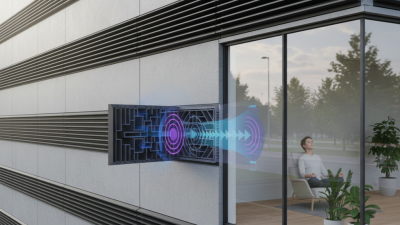
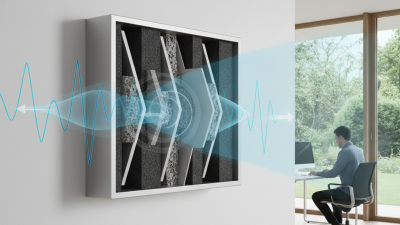
Choosing an Acoustic Eptfe Membrane is not just a matter of finding the smallest pores or highest airflow. The right material must balance sound transmission, water resistance, dust protection, and the shape of the finished product. A phone speaker, wearable device, and outdoor microphone face different conditions. A membrane that performs well in a dry lab may behave differently after exposure to pocket lint, splashes, or repeated handling. Details matter.
“Treat acoustic performance and environmental protection as a coupled design problem, not separate checkboxes,” says Dr. Mira Chen, an illustrative acoustic-materials specialist. This quotation is a draft attribution and should be verified with a real expert before publication. That caution belongs in the selection process, too. Product data sheets can be useful, but test methods, mounting conditions, and target frequency ranges should be checked before comparing results. A single headline number rarely tells the whole story.
This guide explains how to compare membrane airflow, acoustic insertion loss, water-entry resistance, thickness, and bonding options. It also considers sample testing in the actual enclosure, where small gaps or adhesive edges can change results. Start with the device’s real operating conditions. Then ask suppliers for test evidence tied to those conditions. There may be trade-offs. A membrane can protect well yet reduce sound output. Good selection is careful, not magical.
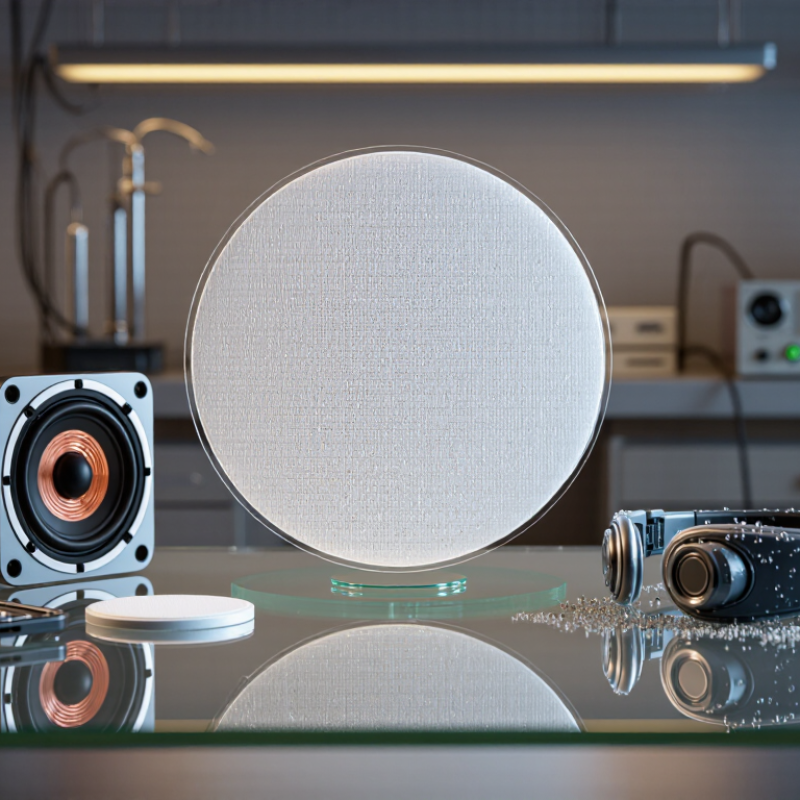
Expanded polytetrafluoroethylene, or ePTFE, is stretched into a microporous structure. In an acoustic vent, this thin membrane covers an opening in a speaker, microphone, or enclosure. Sound waves pass through its pores, while the water-repellent material helps limit liquid entry. It can also let air move between the enclosure and outside, reducing pressure differences. It is not soundproofing.
Performance depends on more than the membrane material. Pore structure, thickness, exposed area, and the device’s grille or adhesive can all change acoustic resistance. A tiny gap around the edge may undermine protection. Testing should reflect the actual assembly, including the sound frequencies and water exposure expected in use. Details matter.
The World Health Organization’s 2018 Environmental Noise Guidelines recommend road-traffic exposure below 53 dB Lden and nighttime exposure below 45 dB Lnight. These are environmental noise recommendations, not ePTFE product ratings. That distinction matters. For selection, compare measured acoustic transmission and ingress performance under relevant test conditions; a single headline rating may hide trade-offs. A membrane that protects well can still attenuate some frequencies, so check the response curve rather than assuming “acoustic” means acoustically neutral.
01
Start with the sound. Define the useful frequency range, target sound pressure level, and acceptable insertion loss. A voice pickup, alarm port, and outdoor speaker need different acoustic behavior. Ask for measurements across the operating band, not a single “sound-transparent” claim. Small openings and protective layers can change high-frequency response.
02
Then map exposure. Is the membrane exposed to rain, dust, salt spray, cleaning fluids, or rapid pressure changes? IEC 60529 provides enclosure ingress-protection test classifications, but a product’s rating does not automatically prove the membrane suits every condition. Specify the test method and exposure duration. The World Health Organization’s 2018 Environmental Noise Guidelines recommend road-traffic exposure below 53 dB Lden and 45 dB Lnight. These are community health benchmarks, not membrane performance targets. NIOSH also recommends limiting occupational noise exposure to 85 dBA over eight hours. Use such data to understand the sound environment, then set application-specific requirements.
03
Bring acoustic and environmental targets together. Ask suppliers for frequency-response, airflow, water-entry, and ageing results from comparable test conditions. Check whether performance holds after temperature cycling or repeated wetting. A membrane that protects well but muffles an alarm has missed the application; one that sounds clear but leaks has too. There is no universal best balance. Document the actual test setup, because one overlooked fixture detail can distort the result.
How to Choose the Best Acoustic ePTFE Membrane?
Compare Airflow, Water Resistance, and Sound Performance
Choosing an acoustic ePTFE membrane means balancing three properties, not chasing one impressive specification. Airflow affects pressure equalization, while water resistance helps protect sensitive components from splashes and moisture. Acoustic performance matters too: a membrane that blocks water well may also soften certain frequencies. Check test data under comparable conditions, since results can vary with sample size, mounting, and measurement methods.
Think about the device’s real environment. A small outdoor sensor may face wind-driven rain, temperature changes, and frequent pressure shifts. A handheld speaker may need clearer sound transmission and less airflow resistance. Look for airflow figures, water-entry pressure, and sound insertion-loss data across relevant frequencies. One number rarely tells the whole story. If possible, test the membrane in the finished enclosure; adhesive, vents, and housing geometry can change performance. I would not assume a lab result predicts every installation perfectly.
Tips: Match test conditions to expected use. Compare sound data across frequencies, not at a single point. Check that the membrane stays securely sealed after assembly. If airflow and water resistance seem equally important, trial two options in the actual device. Small differences can be hard to judge on paper.
| Comparison factor | What to compare | How to interpret it | Selection guidance |
|---|---|---|---|
| Airflow | Air permeability or airflow resistance, measured at a stated pressure difference and sample area | Higher air permeability, or lower airflow resistance under the same test conditions, generally supports faster pressure equalization. | Compare results using the same test method, pressure, and units. Choose a membrane that meets the device’s venting needs without compromising water protection. |
| Water resistance | Water entry pressure or hydrostatic resistance, reported with the test method and sample construction | A higher water-entry result indicates greater resistance to liquid water penetration under the stated test conditions. | Match the tested resistance to expected water exposure. Confirm whether the result applies to the membrane alone or to the finished vent assembly. |
| Sound performance | Acoustic insertion loss or sound transmission data across the relevant frequency range | Results depend on frequency, membrane tension, vent geometry, backing, and the complete device design; a single rating may not describe performance across all frequencies. | Request frequency-based data measured in a configuration representative of the intended product. Verify that the membrane does not unacceptably reduce sound level or clarity. |
| Airflow–water balance | Airflow and water-entry results for the same membrane or finished vent | These are separate performance measures. A result for one property does not, by itself, establish the other. | Evaluate both properties together and use consistent test conditions when comparing options. |
| Dust and particle protection | Particle or dust protection claims, including the test method and particle conditions | Protection depends on membrane structure, installation, sealing, and exposure; a membrane specification alone does not verify the assembled product’s rating. | Check the applicable product-level test results and inspect the design for gaps, damaged areas, or poor bonding. |
| Mechanical durability | Resistance to handling, abrasion, flexing, or pressure cycling, as relevant to use | Durability depends on membrane thickness, support layers, bonding, and exposure conditions. | Review test data for the finished construction and confirm performance after relevant aging or cycling tests. |
| Installation and sealing | Bonding method, usable vent area, substrate compatibility, and assembly tolerances | Adhesives, compression, blocked vent area, or edge leakage can change real-world airflow, water protection, and acoustic results. | Test the membrane in the intended housing with the production bonding and assembly process. |
| Specification quality | Test method, units, sample construction, conditioning, and measurement conditions | Results are meaningful only when the method and conditions are disclosed; values from different methods may not be directly comparable. | Prefer current, traceable test reports and compare like-for-like data rather than relying on unqualified claims. |
Note: Acoustic ePTFE membrane performance varies by product design and test configuration. Confirm all critical specifications with current test data for the intended finished assembly.
How to Choose the Best Acoustic ePTFE Membrane?
Check Material Compatibility, Dimensions, and Installation Requirements
A suitable acoustic ePTFE membrane must match the enclosure, not just the sound target. Check the chemicals it may contact, including cleaning agents, oils, and vapors. Confirm the expected temperature range and exposure to moisture or dust. Compatibility varies by membrane construction, so request supplier data for the actual operating conditions. A broad “chemical resistant” claim is not enough.
Fit matters. Measure the enclosure opening and available bonding surface, then compare them with the membrane’s active area and overall dimensions. Leave room for the seal without covering the sound-transmitting region. Check thickness and any specified tolerances, too. A few millimeters can change the fit. If pressure equalization is required, verify the membrane’s airflow performance alongside acoustic requirements; the two can involve trade-offs.
Plan installation before ordering. The mounting surface should be clean, dry, and free of burrs that could damage the membrane. Follow the specified adhesive and application method, and avoid wrinkles or stretching. Keep sealant away from the active area. Small details count. Even a careful checklist can miss how a real enclosure is handled on the production line, so trial-fit samples under realistic conditions and inspect the finished seal.
A reliable choice starts with test evidence, not a headline acoustic rating. Ask for results across the frequencies your device actually uses. ASTM E1050 describes impedance-tube testing, while ASTM E90 measures sound transmission loss in a laboratory setup. They assess different properties, so one result cannot replace the other. For a microphone port, request frequency response alongside airflow resistance, water-entry pressure, and dust protection. Check whether samples were tested at the same thickness and mounting conditions planned for production. Small details matter.
Quality systems help make those results repeatable. ISO 9001 certification can support documented production controls, while ISO/IEC 17025 accreditation indicates a testing laboratory’s competence for its accredited scope. Check the scope; a certificate alone proves little about a specific test. WHO’s 2018 Environmental Noise Guidelines recommend keeping road-traffic exposure below 53 dB Lden. That is a community-noise guideline, not a membrane specification, but it shows why application conditions must be stated clearly. A test report should name the method, setup, sample count, and uncertainty.
Supplier support matters after qualification, too. Ask for lot-level traceability, change-notification procedures, and help interpreting failures. A useful supplier can compare data from pilot and production lots, not just send a polished chart. Request samples and test them in the actual housing; seals and cavities can change acoustic performance. One caveat: accelerated aging may not perfectly predict field life. Ask what the test does—and does not—show.