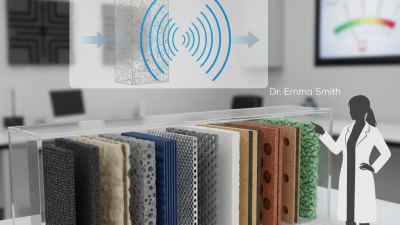
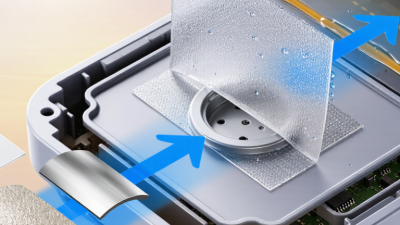
Choosing the right Acoustic Vent Membrane begins with understanding the enclosure, not simply comparing product names. A microphone housing, outdoor speaker, industrial sensor, and electric vehicle module face different acoustic and environmental demands. Each application needs a careful balance between sound transmission, water protection, airflow, pressure equalization, and mechanical durability. Small details matter, including vent diameter, adhesive area, housing geometry, and installation direction.
A reliable selection process should examine measurable performance data. Review acoustic insertion loss, airflow resistance, water-entry pressure, dust protection, operating temperature, and chemical compatibility. Ask how these values were tested. Laboratory results can change when the membrane is installed on a curved surface or exposed to vibration. Experienced engineers also inspect the adhesive bond, because a strong membrane can still fail around its edges. Field trials are valuable here. Test samples inside the actual enclosure, near the expected sound source, while monitoring humidity and pressure changes.
There is no universal best membrane. That answer sounds convenient, but it is rarely accurate. A highly breathable material may reduce pressure buildup, yet it might offer less protection in harsh environments. A tightly sealed design may protect sensitive electronics, but it can weaken acoustic performance. Product datasheets are useful, though not perfect. They should support, not replace, application testing and supplier discussions. This guide explains the key selection factors, common compromises, and practical questions that help buyers choose with greater confidence. Some decisions will remain application-specific. That is normal.
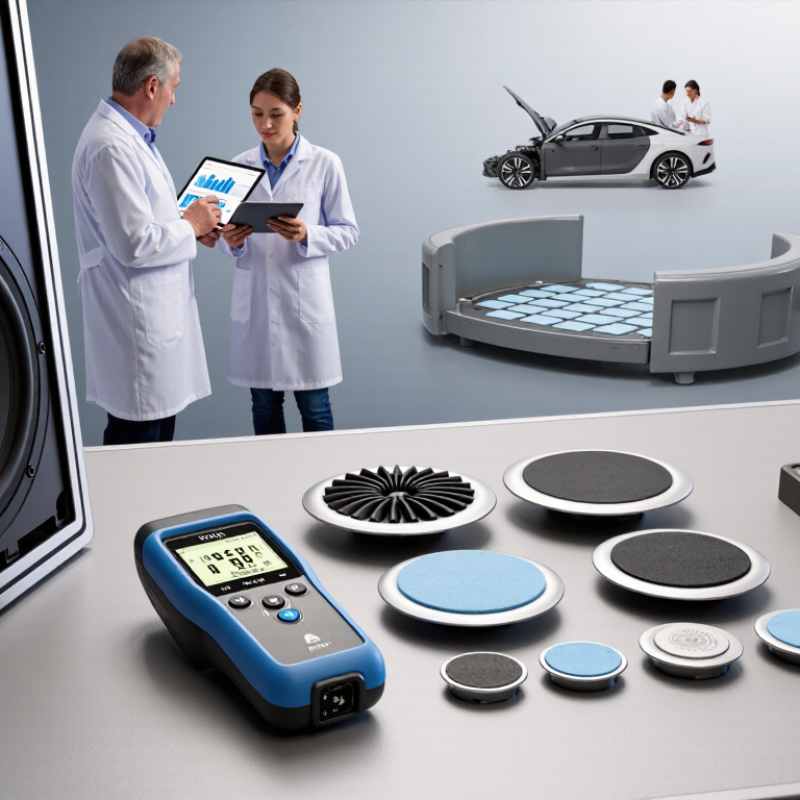
An acoustic vent membrane is a thin, breathable barrier that allows air exchange while reducing airborne noise. Its micropores block liquid water and dust, but pressure differences still let air pass. Sound energy meets the membrane and loses strength through mass, tension, and microscopic airflow resistance. It is not a magic wall. A poorly sealed edge can cancel much of its benefit.
The WHO Environmental Noise Guidelines for the European Region recommend keeping nighttime road-traffic noise below 45 dB Lnight. That target shows why ventilation design matters in bedrooms, offices, and equipment enclosures. Acoustic performance depends on frequency, membrane tension, vent size, and installation depth. Independent testing under standards such as ISO 10140 or ASTM E90 provides more useful evidence than a single marketing number. Look for insertion loss data across frequencies, especially from 100 to 10,000 Hz. Real installations are rarely perfect.
Tips: Check the test method first. Compare airflow resistance, water-entry pressure, and acoustic attenuation together. A vent with excellent noise reduction may restrict airflow too much. Confirm gasket compression and panel thickness on site. Even a two-millimeter gap can become a sound path. I would also request samples before approval; laboratory results can shift after bending, contamination, or repeated temperature changes. Performance claims deserve careful questions.
How to Choose the Best Acoustic Vent Membrane?
Choosing an acoustic vent membrane requires balancing sound control, airflow, and protection. These features often compete. A denser membrane may reduce noise but restrict airflow. A highly breathable layer may allow more sound transmission. In enclosure testing, I examine third-octave acoustic data, not only one overall decibel figure. The World Health Organization’s 2018 Environmental Noise Guidelines recommend limiting road-traffic exposure below 53 dB Lden. This highlights why frequency-specific performance matters. Low-frequency motor noise can pass through materials that perform well at higher frequencies.
Airflow also needs measurable evidence. Check air-permeability results at the pressure difference used in your product. A membrane rated at 10 kPa may behave differently at 50 Pa. That small detail is easy to miss. Protection claims should include water, dust, oil, and pressure resistance. IEC 60529 defines IP testing methods, but an IP rating does not automatically prove acoustic performance. NIOSH identifies 85 dBA over an eight-hour workday as a recommended exposure limit. Therefore, thermal and acoustic design deserve equal attention.
Tips: Request test reports using ISO 10140 or comparable methods. Compare insertion loss by frequency. Confirm airflow after dust and water exposure. Ask whether testing used the final adhesive, housing, and vent size. No membrane is perfect. A laboratory result can still disappoint in a vibrating enclosure. Leave safety margin, because real products age, flex, and collect contamination.
| Feature | Recommended Target | Why It Matters | Common Test Method or Reference | Best Fit |
|---|---|---|---|---|
| Acoustic insertion loss | Select a vent assembly with verified insertion loss of approximately 10–25 dB over the required frequency range. | Indicates how effectively the complete vent path reduces transmitted sound. Performance depends on the membrane, housing, aperture, and installation. | Test data should identify frequency bands, usually in one-third-octave bands from about 100 Hz to 10 kHz. | Consumer electronics, appliances, lighting equipment, and compact enclosures. |
| Airflow resistance | Prefer low pressure drop, commonly below 100 Pa at the application’s design airflow, where thermal management is important. | Lower resistance helps equalize pressure and remove heat without requiring a larger fan or increasing energy consumption. | Pressure-drop versus airflow curve; report airflow in L/min or m³/h and differential pressure in Pa. | Fan-cooled electronics, battery housings, control cabinets, and power supplies. |
| Air permeability | Compare airflow at the same pressure differential rather than relying only on a nominal permeability value. | A consistent comparison prevents a highly permeable membrane from being selected when the system requires stronger environmental protection. | Airflow and pressure testing in accordance with a stated laboratory procedure, such as ISO 5636-3 where applicable. | Applications where ventilation and pressure equalization are primary requirements. |
| Water ingress protection | Match the complete vent design to the required enclosure rating; common targets include IP65, IP66, or IP67. | The membrane must block liquid water while allowing air and vapor movement. Final protection depends on bonding, housing design, and installation. | IEC 60529 or the applicable enclosure-rating standard. Request the exact test conditions and mounting orientation. | Outdoor electronics, sensors, vehicle components, and industrial equipment. |
| Dust and particle protection | Use a hydrophobic, oleophobic, microporous membrane when protection from dust, dirt, and airborne contaminants is required. | Contamination can reduce airflow, affect pressure equalization, and shorten the service life of internal components. | Dust tests and enclosure tests under IEC 60529, supplemented by application-specific contamination testing. | Construction equipment, outdoor devices, industrial controls, and transportation systems. |
| Oil and chemical resistance | Require compatibility testing against the actual oils, fuels, cleaners, solvents, and process chemicals used in service. | Chemical exposure may change membrane wettability, strength, adhesion, or airflow performance. | Immersion or exposure testing based on the relevant chemical and an agreed evaluation of mass, dimensions, strength, and function. | Automotive, industrial, agricultural, and fluid-handling equipment. |
| Operating temperature | Choose a membrane and adhesive system rated for the complete expected range, often approximately −40°C to 125°C for demanding equipment. | Temperature can affect polymer strength, adhesive bonding, water repellency, and long-term airflow stability. | Thermal cycling, high-temperature exposure, low-temperature exposure, and post-test functional verification. | Engine compartments, outdoor systems, industrial controls, and high-power electronic assemblies. |
| Pressure equalization speed | Select sufficient vent area and airflow capacity to manage the enclosure’s expected pressure changes without excessive stress on seals. | Rapid pressure changes can draw moisture through imperfect seals or deform housings and covers. | Measure pressure decay or equalization time under defined temperature and volume conditions. | Sealed enclosures exposed to sunlight, altitude changes, or rapid temperature variation. |
| Mechanical durability | Verify resistance to abrasion, puncture, vibration, impact, and handling damage during assembly and service. | A small puncture or edge lift can compromise both acoustic performance and environmental protection. | Application-specific vibration, shock, abrasion, puncture, and peel-adhesion tests. | Mobile equipment, vehicle electronics, handheld devices, and field-installed products. |
| Acoustic transparency | For microphones or speakers, evaluate sound transmission loss and frequency response across the product’s operating band. | A membrane that protects well may still attenuate or distort sound if its acoustic resistance is not matched to the transducer. | Frequency-response, sensitivity, total harmonic distortion, and water-exposure tests on the complete assembly. | Voice devices, alarms, communication equipment, and acoustic sensors. |
| Vapor transmission | Consider a vapor-permeable membrane when condensation control is important, but confirm that vapor performance does not reduce liquid-water protection. | Vapor movement can help reduce internal condensation caused by temperature cycling and humidity changes. | Water vapor transmission rate testing under a stated temperature and relative-humidity condition. | Outdoor enclosures, lighting products, sensors, and equipment with frequent thermal cycling. |
| Adhesive and mounting method | Use a sealed bond on a clean, flat, compatible surface; confirm peel strength after temperature, humidity, and chemical exposure. | A high-performance membrane cannot protect the enclosure if the adhesive edge leaks or separates. | Peel adhesion, leak testing, humidity aging, thermal cycling, and installation-process validation. | Products requiring automated assembly, thin walls, or limited internal space. |
| Flammability and regulatory requirements | Specify the required material classification and compliance documents according to the end-use market. | Electrical, transportation, and industrial applications may have mandatory safety, substance, or traceability requirements. | Use the applicable flammability, restricted-substance, and environmental compliance standards for the product category. | Regulated electronics, transportation products, and safety-critical equipment. |
How to Choose the Best Acoustic Vent Membrane?
Membrane selection should begin with the enclosure’s real operating conditions. A sensor housing near a road needs different protection from an outdoor lighting controller. Define airflow, pressure equalization, noise reduction, water exposure, and temperature limits before comparing materials. The membrane must release internal pressure without creating an easy path for water or dust.
IEC 60529 rates IP67 enclosures as dust-tight and suitable for temporary immersion up to one metre. That rating describes the enclosure, not every membrane design. Pore structure, weld quality, and installation pressure still matter. For acoustic targets, the World Health Organization’s Environmental Noise Guidelines recommend less than 45 dB Lnight for road traffic exposure. This target is not a membrane specification, but it highlights a critical point: enclosure noise control must fit the complete system.
Choose a high-airflow membrane when pressure changes are frequent. Choose stronger hydrophobic protection when condensation or splash is likely. Consider chemical resistance for oils, cleaning agents, and industrial vapors. Check performance across the full temperature range, including rapid heating and cooling. Small vent areas may restrict airflow more than expected. That mistake is common. Lab data from ISO 10140 testing can support comparison, but field installation may reduce performance. I would also question any result measured without cables, seams, or mounting stress. Real assemblies are rarely perfect.
Choosing the best acoustic vent membrane starts with the environment, not the catalogue.
Expanded polytetrafluoroethylene membranes resist water and dust while allowing pressure equalization. Polyurethane films can provide strong acoustic damping, but heat and chemical exposure may reduce service life. Compare airflow resistance, acoustic insertion loss, and operating temperature at the same test conditions. A higher sound-loss figure is not automatically better. It may restrict airflow too severely. NIOSH recommends limiting occupational exposure to 85 dBA over eight hours, so ventilation noise deserves measurement, not guesswork.
Check the enclosure rating carefully. Under IEC 60529, an IP67 design is dust-tight and supports temporary immersion under defined laboratory conditions. It does not prove long-term chemical resistance or acoustic performance. Ask for test evidence based on ASTM E90 or ISO 10140 methods, then verify whether the membrane was tested inside a real enclosure. Ratings can look impressive.
Installation often decides the result. Keep the vent away from fans, sharp edges, and direct spray. Use a clean, flat bonding surface, and control compression around the seal. Even a small wrinkle can create a leakage path. I would also record airflow before and after installation. Field conditions rarely match laboratory data perfectly. That is the uncomfortable part. A membrane that performs well on paper may fail when dust, vibration, or poor alignment enters the picture.
Compare common membrane materials by representative acoustic insertion loss, air permeability, and environmental protection level. Higher air permeability supports pressure equalization, while lower insertion loss indicates less impact on sound transmission.
Values are representative engineering ranges converted to typical midpoints for comparison: insertion loss measured near 1 kHz, air permeability commonly reported at 1 kPa, and IP protection shown as the applicable enclosure rating. Final selection should be confirmed through the membrane supplier’s test data, enclosure geometry, adhesive compatibility, and the required installation process.
How to Choose the Best Acoustic Vent Membrane?
How to Evaluate Durability, Compliance, and Overall Value
An acoustic vent membrane must protect sensitive electronics without blocking sound transmission. Evaluate it under real operating conditions, not only in a clean laboratory. Check resistance to water, dust, oils, vibration, ultraviolet exposure, and temperature cycling. A vent may pass an initial test and still weaken after months of heat and moisture.
Ask for documented test methods and results. Ingress protection testing should identify the relevant rating under IEC 60529 or an equivalent standard. Also review adhesive performance, housing compatibility, and installation tolerances. A technically strong membrane can fail because its adhesive lifts from a textured surface. Small details matter.
Look for evidence.
Durability data should include aging periods, pressure differences, and failure limits. Compliance documents must match the final material, thickness, and assembly, not a similar sample. Independent laboratory reports usually provide stronger confidence than broad marketing claims. Still, paperwork is not enough. Build sample assemblies and test them after vibration, thermal cycling, and repeated cleaning.
Overall value includes more than the purchase price. Consider rejected units, field repairs, tooling changes, and replacement labor. A lower-cost vent may create hidden expenses when acoustic performance drops. However, the most expensive option is not automatically better. I have seen over-specified designs add cost without improving the actual enclosure. Define the acoustic target, environmental exposure, and service life before comparing quotations. Leave room for doubt; real products rarely behave perfectly.