How to Choose the Best Acoustic Vents for Your Project?
Selecting the right Acoustic Vents for your project is vital. Renowned acoustics expert Dr. Emily Harper once said, "The right vents can make or break a room’s acoustics." This statement underlines the significance of proper vent selection. Acoustic Vents serve more than just airflow—they enhance sound quality, too.
When considering Acoustic Vents, think about your space and its specific needs. Different environments require different acoustic solutions. A vent suited for a band practice room may not work for a quiet office. You must analyze your project’s purpose and design.
While the market offers various options, not every product will meet your expectations. Some vents may not provide adequate sound insulation or airflow. The challenge is in understanding the unique needs of your space. Only then can you effectively choose the best Acoustic Vents that align with your objectives.
Understanding Acoustic Vents and Their Importance in Sound Control
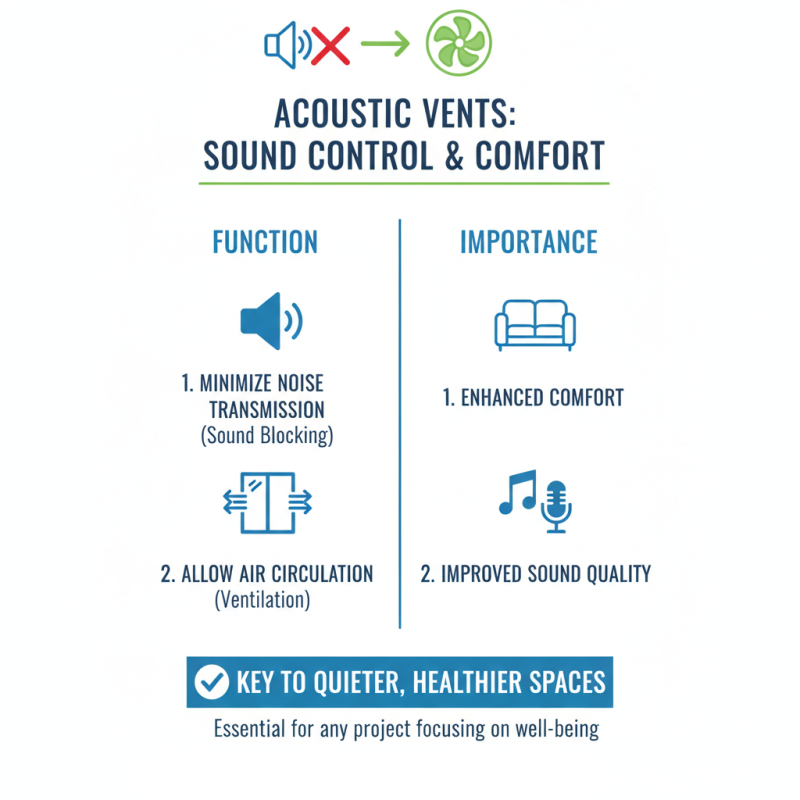
Acoustic vents play a crucial role in sound control within any space. These vents help minimize noise transmission while allowing for proper air circulation. Understanding their importance can significantly enhance any project focused on comfort and sound quality.
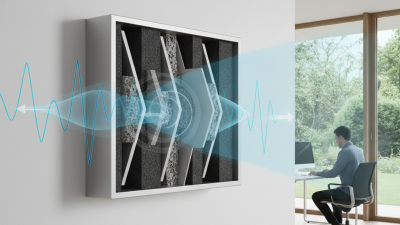
In spaces like studios or offices, the right acoustic vents can prevent echoes and noise disturbances. A poorly chosen vent may lead to increased sound transmission, which can compromise the environment's acoustic balance. It's essential to consider the type and size of the vent based on the specific needs of your project.
**Tip:** Select vents that match the acoustic properties of your room. This ensures maximum sound absorption and containment.
Additionally, evaluate material choices. Acoustic vents come in various designs and materials, which impact performance. Some materials absorb sound better than others, influencing overall effectiveness. Always consider how aesthetics align with functionality.
**Tip:** Test different vent designs to see which one meets your sound control requirements best. Spend time analyzing the trade-offs between styles and performance.
Factors to Consider When Selecting Acoustic Vents for Your Project
When selecting acoustic vents for your project, it's essential to consider various factors. The material of the vents plays a crucial role in their effectiveness. For instance, some materials absorb sound better than others. Acoustic vents made from porous materials can help reduce noise transmission. Think about the environment in which you will install them. The right material can enhance both sound quality and aesthetics.
Another important aspect is the size and design of the vents. Larger vents may provide better airflow but can compromise sound insulation. Conversely, smaller vents might enhance acoustic performance but restrict airflow. It’s a delicate balance. Additionally, consider the installation process. Some vents are easier to install than others. Complexity can affect your project timeline and costs.
Finally, reflect on any unique requirements your project may have. Will the vents be part of a sound-sensitive environment, such as a recording studio? If so, select vents that offer superior soundproofing. It’s a nuanced decision that requires careful thought. A wrong choice could lead to unexpected issues down the line. Prioritize your project's specific needs to make an informed decision.
Types of Acoustic Vents and Their Specific Use Cases
Acoustic vents come in various types, each serving specific purposes in sound management. For example, passive acoustic vents are ideal for rooms where sound control is essential. They allow airflow while minimizing noise transfer. Such vents are often used in recording studios and home theaters to reduce outside disturbances.
In contrast, active acoustic vents are employed in larger spaces. They utilize electronically controlled systems to regulate airflow and noise levels dynamically. These types can be found in concert halls and auditoriums, where acoustic performance is critical. Designers must evaluate the room's size and intended use before choosing a vent type.
It's important to consider the materials used in these vents. Some may not perform as expected. For instance, a vent made from lower-quality materials may fail to provide optimal sound insulation. This can lead to echo and unnecessary sound interference. Reflection on past projects can guide better choices in future endeavors. Keeping this in mind will enhance overall acoustic comfort in your space.
Acoustic Vents Types and Their Use Cases
Materials and Design Features of Effective Acoustic Vents
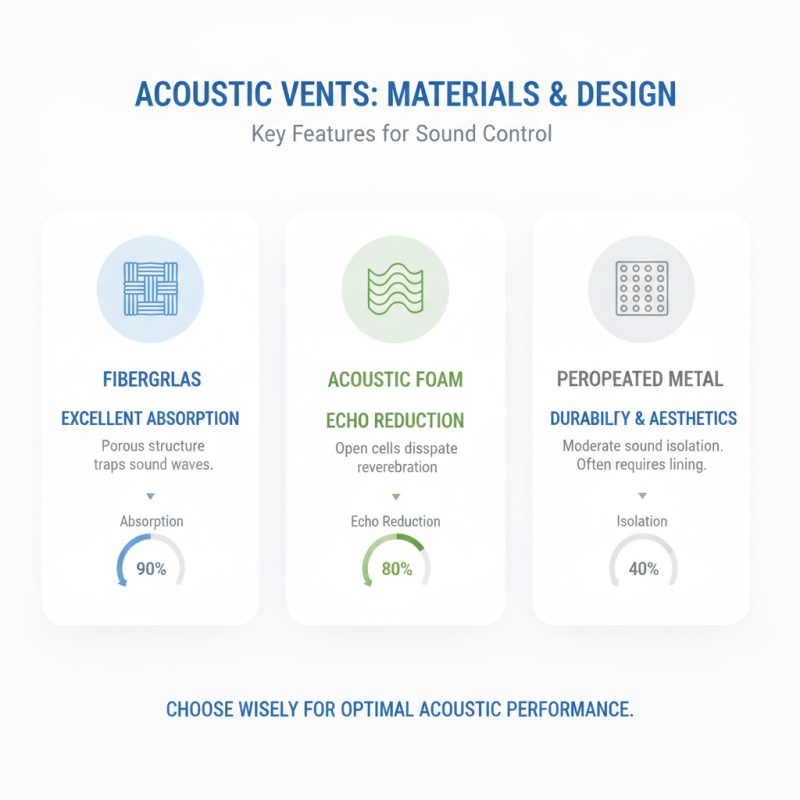
When selecting acoustic vents for a project, materials play a crucial role. Common choices include fiberglass, foam, and metal. Fiberglass offers excellent sound absorption, while foam can reduce echo effectively. Metal vents might look sleek but may not isolate sound as well. Each material has its unique properties that impact the overall acoustic performance.
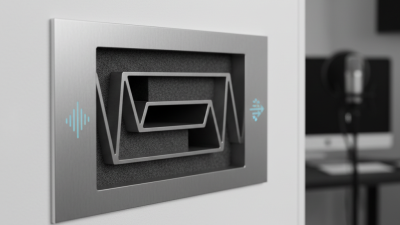
Design features are equally important. Look for vents that include additional soundproofing layers. These layers can drastically improve sound insulation. Consider the vent's shape; curved designs can redirect sound waves more effectively than flat ones. Another aspect is the size; larger vents may allow for better airflow but can compromise sound isolation. Balancing these features is crucial, yet often overlooked.
Choosing the right vent requires careful consideration of both materials and design. Each decision affects the space's acoustic quality. While one might lean towards aesthetic choices, functionality should never be neglected. It's essential to consider how different materials and designs will work together in practice. Sometimes a specific vent might seem ideal but doesn't perform as expected. Understanding these nuances can lead to better project outcomes.
Installation Tips for Maximum Effectiveness of Acoustic Vents
When installing acoustic vents, placement is crucial for achieving optimal sound attenuation. An effective strategy is to position vents away from direct sound sources. According to a study by the National Institute of Standards and Technology, proper vent placement can increase sound absorption by up to 30%. Every project should evaluate the unique sound challenges present in the environment.
To maximize effectiveness, consider the material and size of the vents. Acoustic vents made from high-density materials offer better soundproofing compared to standard options. The Acoustic Society of America states that larger vents can enhance airflow while maintaining insulation. However, larger vents might also lead to a loss of aesthetics or create drumming effects.
Ensure that you seal all gaps properly during installation. A well-installed vent will provide better sound isolation and improve overall performance. Remember, improper installation can reduce effectiveness by as much as 50%. Regularly inspect and maintain your vents for optimal operation.