How to Choose the Right Acoustic Isolation Membrane for Your Needs?
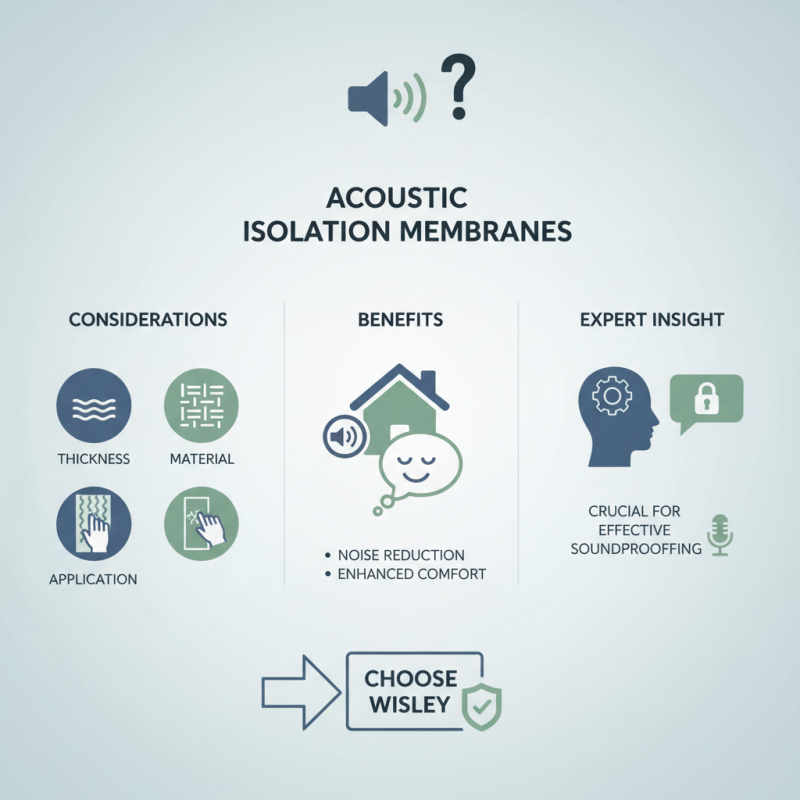
Choosing the right Acoustic Isolation Membrane can significantly impact sound performance in various environments. According to John Miller, an industry expert with over 15 years of experience, “Selecting the right membrane is crucial for effective soundproofing.”
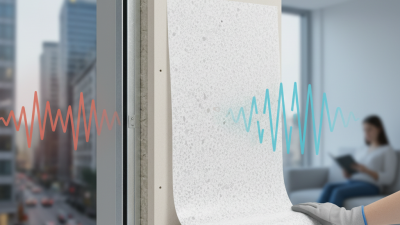
When dealing with residential or commercial spaces, noise reduction is vital. An effective Acoustic Isolation Membrane minimizes unwanted sound transmission between rooms. Various factors such as thickness, material, and application must be considered carefully. Not every membrane will provide the desired level of isolation, leading to potential frustrations.
Even professionals sometimes miss the nuances of soundproofing. The wrong choice can render an investment ineffective. You may find yourself battling echoes or noises that disrupt the peace. Understanding your specific needs helps narrow down your options. Prioritizing effective sound isolation can ultimately enhance comfort and productivity in any setting.
Types of Acoustic Isolation Membranes Available in the Market
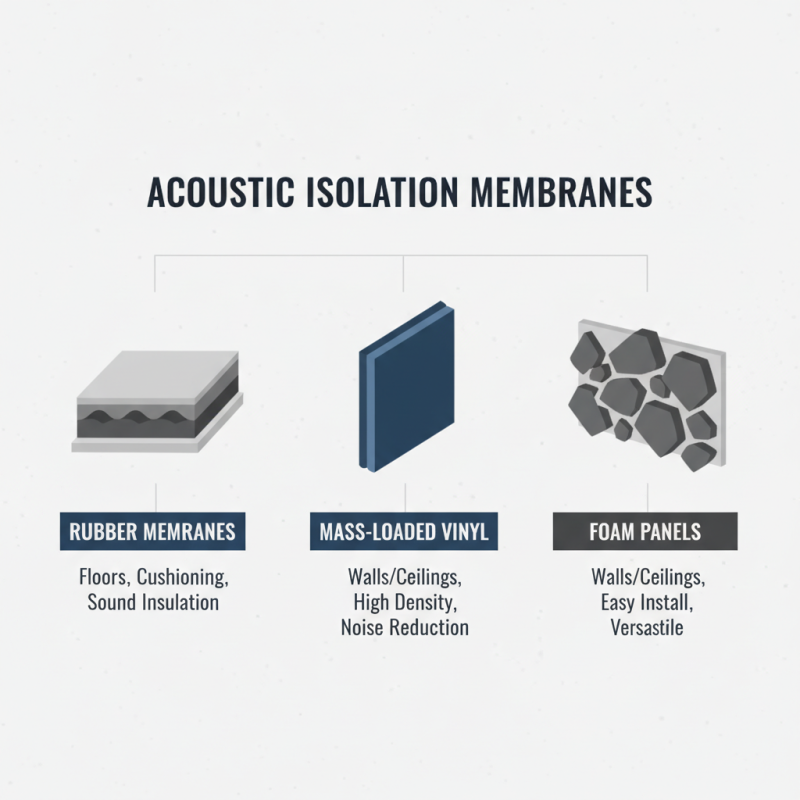
When selecting the right acoustic isolation membrane, understanding the types available in the market is crucial. A few common types include rubber membranes, mass-loaded vinyl, and foam panels. Each type serves unique purposes. Rubber membranes are often used in floors. They provide decent sound insulation while adding a bit of cushioning. Mass-loaded vinyl is known for its high density. It can be applied in walls or ceilings for effective noise reduction. Meanwhile, foam panels are lighter and easier to install, making them great for various applications.
Consider your environment. Do you need heavy soundproofing? Mass-loaded vinyl may be your best bet. Or perhaps you just want to reduce minor noise disruptions? Rubber membranes can handle that. If you're not sure which to choose, explore each option. The installation process can be a challenge. Foam panels require careful placement to maximize effectiveness. Also, some types might be more costly than others. Always evaluate your budget alongside your sound isolation needs. Ultimately, your personal space desires should steer your decision.
Key Factors to Consider When Selecting an Acoustic Membrane
When selecting an acoustic isolation membrane, several key factors come into play. The thickness of the membrane is crucial. Thicker membranes often provide better sound insulation. However, they may be less flexible and harder to install. Consider the balance between thickness and usability. Evaluate the specific noise issues you face, whether from foot traffic or airborne sounds.
Next, consider the installation environment. Some membranes perform better in dry conditions, while others are more suited for damp areas. Assess the surface types where you will install the membrane. Concrete, wood, or tiles each require different approaches. Budget also plays a part. Higher quality often means a higher price. However, cheaper options might not perform well in the long run.
Density is another vital factor. A denser membrane can block more sound but may also add weight. This aspect can affect the overall construction and design of a room. Always think about the long-term results, not just immediate costs. Reflect on past decisions in material choices. They can guide you to a better option this time. Consider these points carefully to find the right acoustic solution for your needs.
Performance Ratings: Understanding Noise Reduction Metrics
When selecting an acoustic isolation membrane, performance ratings are crucial. Noise reduction metrics can be confusing, but they provide insight into how effective a membrane will be. Ratings like Sound Transmission Class (STC) and Impact Insulation Class (IIC) are essential indicators. A higher STC means better airborne noise reduction. Contrast that with IIC, which measures impacts and footfall noise.
Tips: Look for membranes with a balanced STC and IIC rating. This ensures comprehensive noise control. Check the thickness and density of the material, as these factors contribute significantly to sound dampening. Don’t hesitate to ask for test results from manufacturers. They can reveal how well a product performs in real-world situations.
Consider your specific needs. If you're in an apartment, prioritize membranes that excel in lowering impact noise. For home theaters, focus on airborne sound isolation. Remember, all products have limits. Sometimes, a material that works for one situation might not perform as expected in another. Balance your requirements with achievable results.
Installation Techniques for Acoustic Isolation Membranes
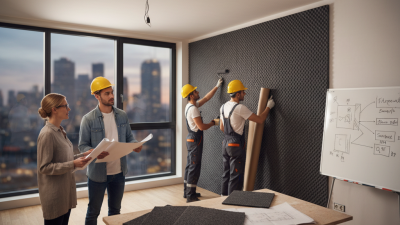
When installing acoustic isolation membranes, preparation is key. Begin by ensuring the surface is clean and dry. Any dust or moisture can compromise adhesion. Cut the membrane to fit the space, allowing some overlap at the edges. This allows for a snug, seamless installation. The right measurements are crucial. Mistakes here can lead to gaps, reducing effectiveness.
Next, apply the membrane according to the manufacturer's guidelines. If you're working in a room with irregular shapes, you might face challenges. Don't rush. Take your time to make precise cuts and fit the membrane carefully. Use a roller to eliminate air pockets, which tend to form. This step is often overlooked but is essential for optimal performance.
Adhesives play a vital role. Use the recommended type for your membrane. Some adhesives can be tricky, not bonding well with certain surfaces. Experimenting isn't always the best approach. It's better to test on a small section. While many focus on materials, installation techniques can be just as important. A good installation can make all the difference.
Acoustic Isolation Membrane Performance Comparison
Common Applications and Use Cases for Acoustic Isolation Membranes
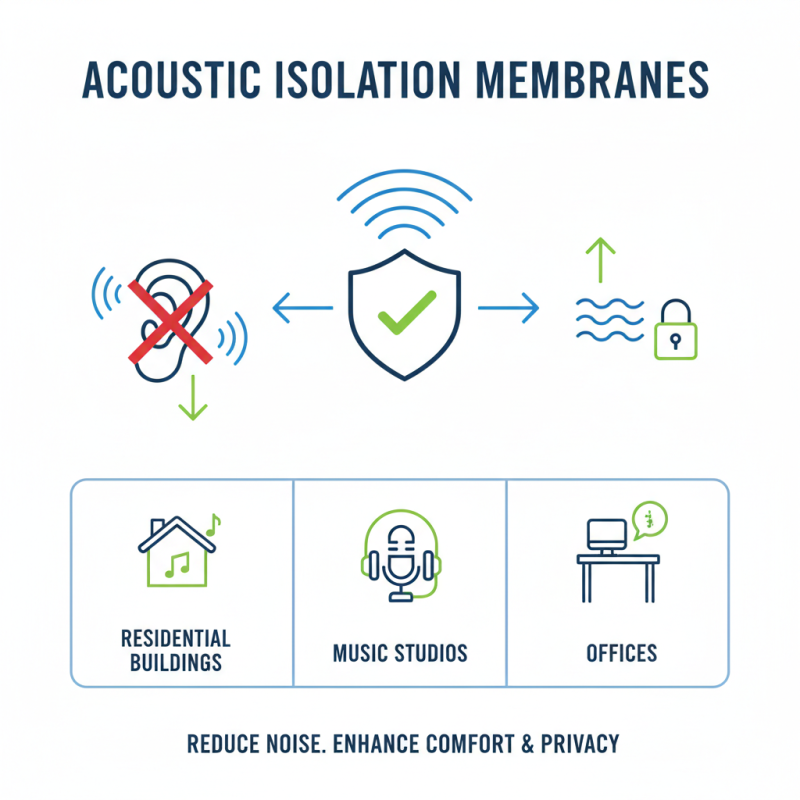
Acoustic isolation membranes are essential in various spaces. They help reduce sound transmission, enhancing comfort and privacy. Common applications include residential buildings, music studios, and offices.
In residential settings, acoustic membranes can be ideal for multi-family apartments. They minimize noise between units, improving living conditions. Music studios benefit from these membranes as well. They help manage sound leakage and create a better recording environment.
Tips for choosing the right membrane: consider the thickness and density. A thicker membrane usually offers better sound insulation. Property layout also plays a role. Identify the areas with the most noise and focus on those.
Another point worth pondering: not all membranes perform equally. Testing is essential. Look at different materials and thicknesses. Some might not meet your needs, leading to future regrets. Be diligent in your selection to avoid unnecessary complications later.