10 Essential Tips for Choosing the Right Acoustic Membrane for Your Space?
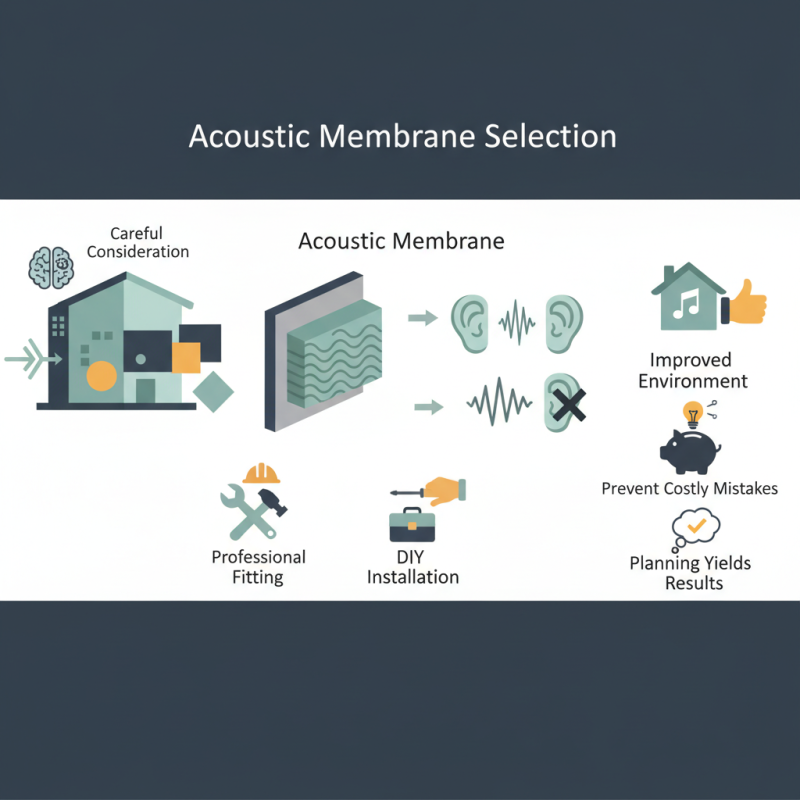
Choosing the right Acoustic Membrane for your space can feel overwhelming. Industry expert Dr. Emily Carter states, "Selecting the right materials is key to transforming sound quality." Her words echo the importance of careful consideration.
Acoustic Membranes come in various types and densities, influencing sound absorption. A poorly chosen membrane may lead to echo instead of harmony. For example, in a home theater, an inadequate Acoustic Membrane can ruin the experience.
Moreover, you need to consider installation challenges. Some membranes require professional fitting, while others can be DIY. It's crucial to weigh the pros and cons. An informed decision can prevent costly mistakes and improve your environment significantly. Reflect on your needs; a little effort in planning can yield impressive results.
Understanding the Importance of Acoustic Membranes in Interior Design
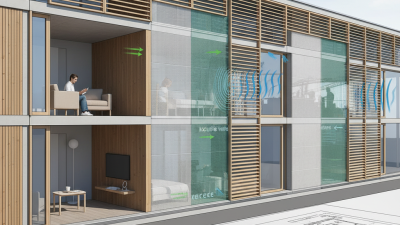
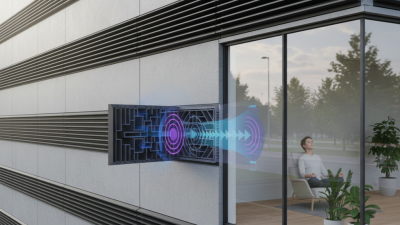
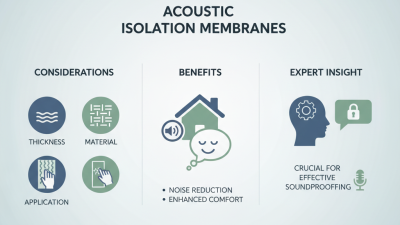
Acoustic membranes play a vital role in modern interior design. They can transform a noisy space into a serene environment. Understanding their importance is crucial when selecting materials for your home or office. Acoustic membranes reduce sound transmission and improve overall comfort. This can enhance productivity in workplaces or create a peaceful living area.
When choosing the right acoustic membrane, consider thickness and density. Thicker materials generally absorb more sound. However, you may find it challenging to balance aesthetics and functionality. Choose an appealing design that still performs well acoustically. Look for options that fit your specific needs while providing a harmonious look.
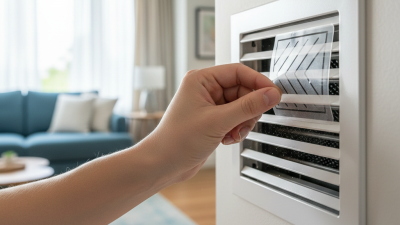
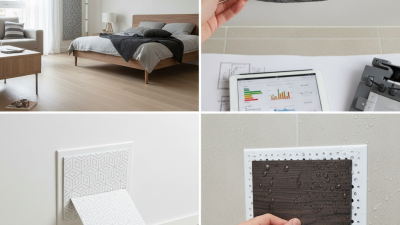
It’s also essential to evaluate the installation process. Some membranes may require professional help, while others are DIY-friendly. Rushed installations can lead to poor performance. Reflect on your space's unique challenges, like high ceilings or large windows. This will help you select the best solution for your acoustic issues. Always keep your preferences in mind while remaining open to new ideas.
10 Essential Tips for Choosing the Right Acoustic Membrane for Your Space
| Tip Number |
Tip Description |
Consideration Factors |
Best Suited Environments |
| 1 |
Define your acoustic goals. |
Intended use, sound levels. |
Studios, concert halls. |
| 2 |
Assess existing room acoustics. |
Current sound issues, room shape. |
Classrooms, offices. |
| 3 |
Consider aesthetic aspects. |
Design compatibility. |
Living rooms, cafes. |
| 4 |
Evaluate sound absorption properties. |
Material type, thickness. |
Recording studios, theaters. |
| 5 |
Check installation requirements. |
DIY vs. professional. |
Various settings. |
| 6 |
Research acoustic membrane types. |
Different materials available. |
Gyms, auditoriums. |
| 7 |
Consider budget constraints. |
Cost vs. benefit analysis. |
Home offices, retail spaces. |
| 8 |
Look for certifications and standards. |
Industry compliance. |
Public buildings, schools. |
| 9 |
Seek expert advice if needed. |
Consulting professionals. |
All environments. |
| 10 |
Finalize and test the installation. |
Monitor acoustic performance. |
Every space. |
Factors to Consider When Selecting Acoustic Membrane Materials
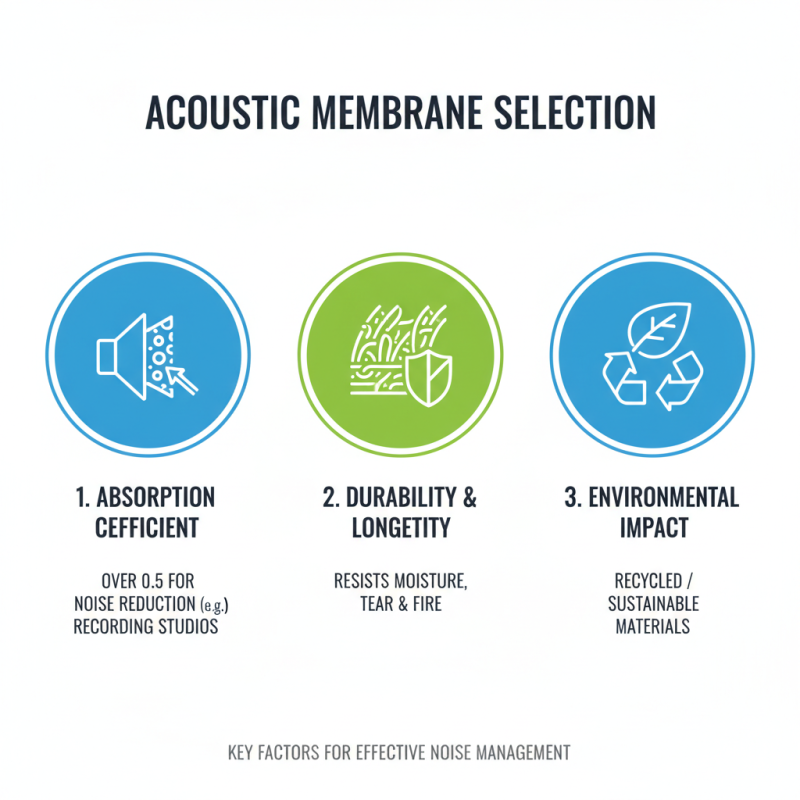
When selecting acoustic membrane materials, several critical factors come into play. First, consider the material’s absorption coefficient. This measures how well it can absorb sound. According to industry studies, materials with a coefficient of over 0.5 effectively manage noise in spaces like recording studios.
Next, think about thickness and density. Thicker, denser membranes often perform better. Reports indicate that membranes with a thickness of at least 12 mm achieve optimal soundproofing. However, one must balance thickness with practicality. Sometimes, a thinner material may suffice for smaller areas where space is limited.
Do not overlook installation requirements. Some materials demand expert installation, while others allow for DIY setups. A complex installation might deter users, even if the product is promising. Keep in mind that improper installation can negate acoustic benefits. Reflecting on these factors helps in choosing the right membrane while avoiding common pitfalls that may arise in the process.
Evaluating the Sound Absorption Characteristics of Different Membranes
Choosing the right acoustic membrane involves careful evaluation of sound absorption characteristics. Acoustic membranes come in various materials, and each has different properties. For instance, porous materials often absorb mid to high frequencies well, whereas dense membranes might excel in low-frequency absorption. This difference significantly affects how sound behaves in your space.
A great tip is to test different membranes in your environment. What works in one room might not in another. You may find that a certain membrane dampens noise effectively, but the aesthetic may not fit your design. Consider the look and feel. Balancing sound absorption with design can be tricky.
When evaluating membranes, pay attention to their NRC ratings. High Noise Reduction Coefficients indicate better sound absorption. It’s worth noting that some membranes may not deliver as advertised. Do your research and seek samples. Sometimes, you’ll need to try a few before arriving at the right choice. Trust your ears, but also trust your instincts.
Tips for Measuring Your Space for Optimal Acoustic Membrane Installation
When it comes to installing an acoustic membrane, measuring your space accurately is crucial. Start by determining the dimensions of the area you wish to treat. Use a tape measure to get the length and width. Don’t forget to document the height if you plan to cover walls or ceilings. This simple task can prevent costly mistakes later.
Once you have your measurements, consider the layout of the room. Take note of doors, windows, and furniture placement. Obstacles can affect sound absorption. Think about how sound travels in your space. You might find that some areas need more attention than others.
Another point to reflect on is the room's purpose. Is it for music, meetings, or relaxation? Each function will require different acoustic properties. Be sure to assess any unexpected sounds that may need consideration. Balancing aesthetics and functionality is also essential. Sometimes, the perfect solution requires a bit of trial and error.
Cost-Effective Strategies for Acquiring Acoustic Membranes for Your Project
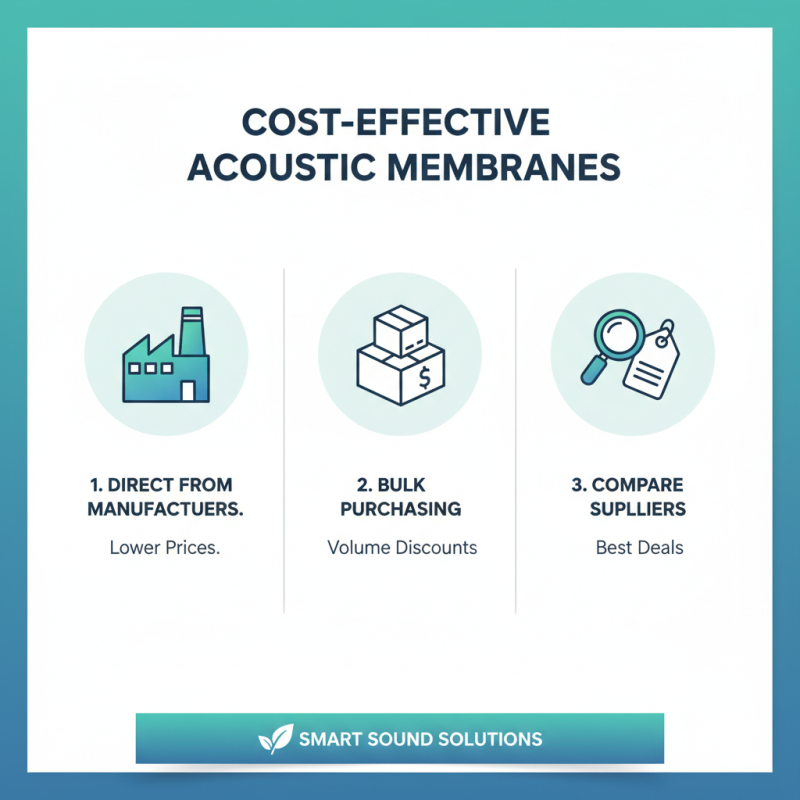
When selecting acoustic membranes, cost-effective strategies can make a big difference. First, consider sourcing materials directly from manufacturers. This often lowers the prices compared to retailers. Bulk purchasing can also yield discounts. Be sure to compare different suppliers. Sometimes, prices vary widely for the same product.
Make use of online resources. Websites often feature community discussions that can provide recommendations. Additionally, look for local suppliers. They may offer competitive rates, and you might save on shipping costs. Explore second-hand options; you can sometimes find high-quality membranes at a fraction of the cost. However, be cautious. Ensure they meet your specific soundproofing needs.
Consider DIY solutions if you're on a tight budget. There are various tutorials online for creating your own acoustic panels. This can create a unique look while saving money. Just remember, your craftsmanship may vary. It’s essential to reflect on the overall effectiveness. Each project is different, and what works for one space may not work for another.