Top 10 Tips for Optimizing Acoustic Vents for Better Sound Control
In contemporary building design, optimizing acoustic performance has emerged as a critical focus area, with acoustic vents playing a pivotal role in sound control. According to the World Health Organization, noise pollution can have significant health impacts, including cognitive impairment and sleep disturbances, underlining the need for effective sound management in residential and commercial spaces. Research indicates that well-designed acoustic vents can substantially reduce sound transmission, contributing to a more serene environment.
Acoustic vents serve as vital components in ventilation systems, providing necessary airflow while minimizing the intrusion of unwanted noise. A study conducted by the National Institute of Standards and Technology highlights that strategically placed acoustic vents can decrease sound transmission loss by up to 15 decibels, showcasing their potential to enhance the overall acoustic comfort of a space. As the demand for quieter, more tranquil environments increases, optimizing the placement and design of acoustic vents becomes essential in achieving superior sound control. This guide offers ten actionable tips for optimizing acoustic vents, ensuring that both air quality and acoustic performance are effectively balanced.

Understanding the Role of Acoustic Vents in Sound Control
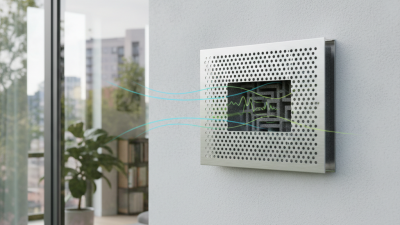
Acoustic vents play a crucial role in managing sound within various environments. These specialized openings are designed to allow air circulation while minimizing noise transfer between spaces. By strategically placing acoustic vents, designers can effectively reduce sound transmission, ensuring that noise-sensitive areas maintain a pleasant auditory experience. This is particularly important in settings such as recording studios, theaters, and residential spaces where sound quality is paramount.
Understanding how acoustic vents function involves recognizing their construction and placement. These vents often incorporate sound-absorbing materials that dampen sound waves, preventing them from traveling freely through the openings. Additionally, the design of the vent itself can influence acoustic performance; for instance, larger or more complex shapes can enhance sound dampening capabilities. Strategic positioning within walls, ceilings, or partitions can further optimize their effectiveness, allowing for better overall sound control in any given space.
Top 10 Tips for Optimizing Acoustic Vents for Better Sound Control
| Tip Number |
Tip Description |
Expected Benefits |
| 1 |
Choose the right location for acoustic vents. |
Improved sound absorption and clarity. |
| 2 |
Use high-quality materials for vent construction. |
Enhanced durability and soundproofing capability. |
| 3 |
Incorporate adjustable vents for flexibility. |
Tailored sound management for various scenarios. |
| 4 |
Increase the size of vents as needed. |
Better sound dispersion across larger spaces. |
| 5 |
Utilize multiple vents for larger areas. |
Consistent sound control throughout the area. |
| 6 |
Plan for vent placement during initial design. |
Seamless integration with the overall design. |
| 7 |
Incorporate sound absorptive materials. |
Reduced reflection and echo effects. |
| 8 |
Ensure vents are easy to maintain. |
Sustained performance over time. |
| 9 |
Consider professional installation for optimal results. |
Expert setup ensures maximum efficiency. |
| 10 |
Regularly assess and adjust vent effectiveness. |
Continual improvement in sound control. |
Choosing the Right Location for Acoustic Vent Installation
When it comes to acoustic vents, choosing the right location for installation is crucial for optimal sound control. The location can significantly influence the effectiveness of sound dampening, making it essential to strategically plan where these vents will be placed. Ideally, acoustic vents should be installed in areas of high sound traffic, such as between noisy rooms or adjoining spaces. This helps to minimize sound transmission and improve overall acoustic performance.
One of the key tips for optimizing acoustic vents is to ensure they are installed at the appropriate height. Positioning the vents at ear-level can help in reducing direct sound travel. Additionally, consider the path of sound and the possible interference caused by furniture or wall placements. Keeping vents away from corners or areas with significant sound reflections can enhance their functionality and efficiency.
Another important consideration is the distance between acoustic vents. Placing them too close together might lead to ineffective sound control, as overlapping areas can create sound leaks. A well-planned layout with adequate spacing fosters better air circulation and further enhances sound absorption, ultimately leading to a quieter, more enjoyable environment.
Materials Matter: Selecting Acoustic Vent Components for Effectiveness
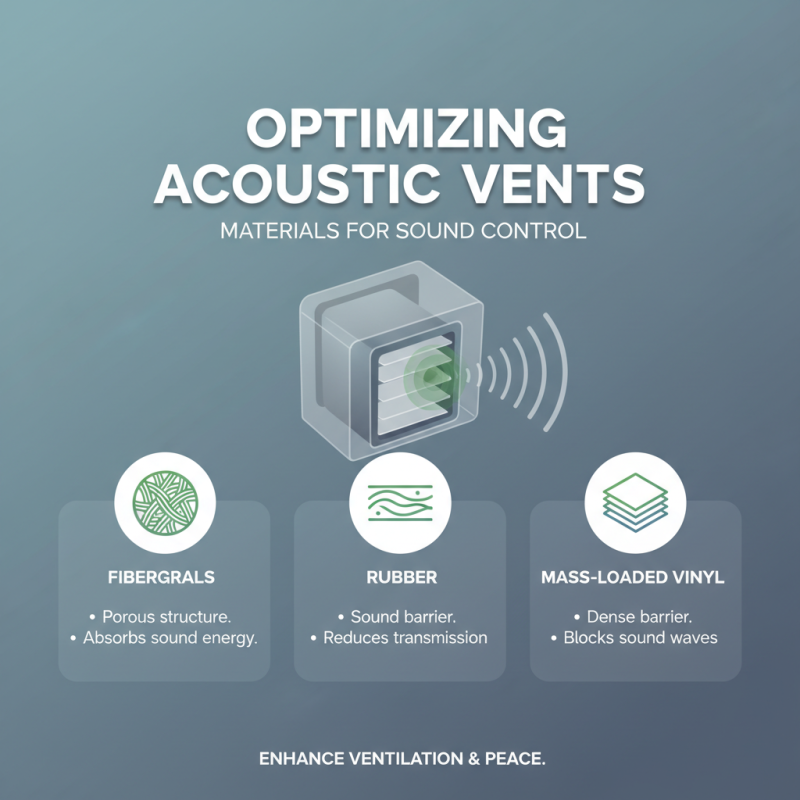
When optimizing acoustic vents for sound control, the selection of materials plays a crucial role in enhancing their effectiveness. Acoustic vents serve as crucial components in managing sound waves and preventing noise disturbances while allowing for ventilation. Consider using materials such as fiberglass, which can effectively absorb sound energy due to its porous structure. Additionally, rubber and mass-loaded vinyl are excellent for creating barriers that reduce sound transmission, making them valuable choices for vent linings.
To further improve your acoustic vent setup, implementing a few strategic tips can make a significant difference. Ensure your vents are positioned away from direct noise sources to minimize disruption. Incorporating adjustable acoustic panels around the vent can also help fine-tune sound absorption as needed. Lastly, the spacing and design of the vents should be optimized to balance airflow and sound management; too many vents can lead to sound leakage, while too few may restrict necessary ventilation.
By focusing on these material choices and practical tips, you can enhance the acoustic performance of your space, leading to a more pleasant auditory environment.
Techniques for Adjusting Acoustic Vents for Optimal Performance
Optimizing acoustic vents is crucial for achieving better sound control in various environments, from recording studios to open offices. Adjusting the placement and sizing of these vents can significantly influence sound distribution and absorption. According to a report by the Acoustical Society of America, effective design of acoustic vents can reduce noise levels by up to 10 dB, a substantial improvement for spaces needing heightened acoustic performance.
One effective technique for optimizing acoustic vents is altering their dimensions and shapes to enhance sound diffusion. Research indicates that vents with irregular geometries can scatter sound waves more effectively than traditional circular designs. Additionally, the use of sound-absorbing materials around the vent openings can further attenuate unwanted noise transmission. Monitoring the airflow and ensuring that vents are not obstructed can also drastically improve acoustic quality, as unrestricted airflow allows for better sound management while maintaining necessary ventilation.
Another vital aspect is the strategic placement of acoustic vents. Positioning vents away from direct sound paths—such as those leading to loud machinery or high-traffic areas—can minimize sound interference. A study published in the Journal of Building Acoustics found that relocating acoustic vents just a few feet can result in a measurable decrease in sound reflection and an overall more controlled acoustic environment. Implementing these techniques can lead to a more peaceful and productive space, underlining the importance of thoughtful acoustic vent design in contemporary architecture and interior design.
Acoustic Vent Optimization: Sound Control Performance
Maintenance Tips for Sustaining Acoustic Vent Functionality
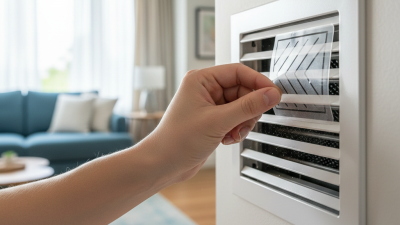
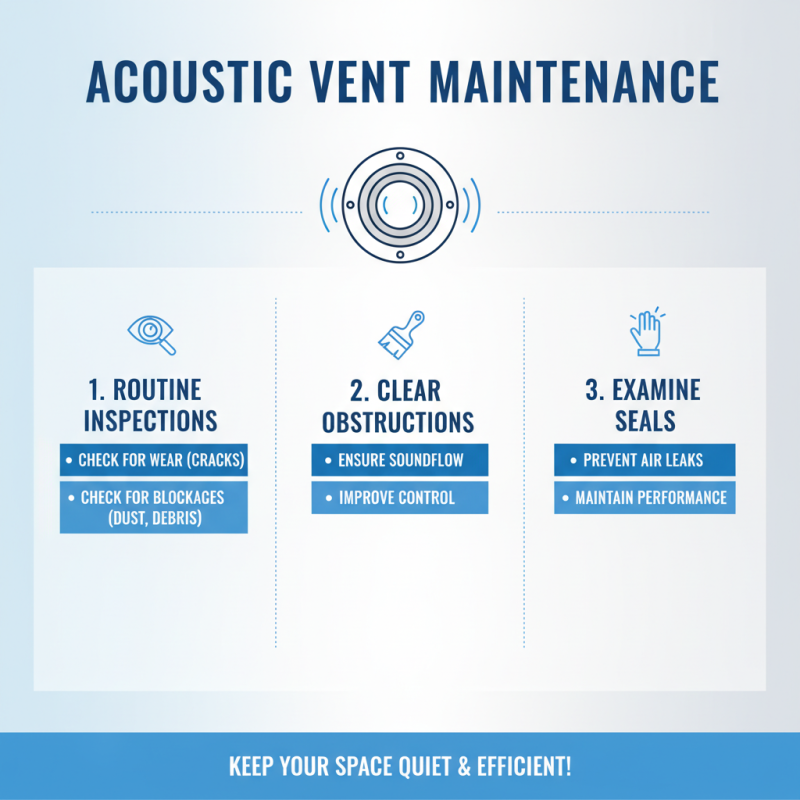
To ensure that acoustic vents continue to perform at their best, regular maintenance is essential. One of the first steps in sustaining their functionality is to conduct routine inspections. Check for any visible signs of wear, such as cracks or blockages caused by dust accumulation or debris, which can significantly impact sound control. Clear any obstructions to guarantee that sound waves can pass through as intended. Additionally, examining the seals around the vents can prevent air leaks that compromise acoustic performance.
Another crucial aspect of maintenance involves the cleaning of the acoustic vents. Over time, dust and other particles can build up, hindering the effectiveness of these vents. Use a soft brush or a vacuum with a brush attachment to gently remove any dirt without damaging the vent materials. Implementing a regular cleaning schedule, perhaps biannually, can greatly enhance longevity and performance. Lastly, consider consulting a professional if any parts need replacing or if you notice persistent issues; timely intervention can help avoid more significant problems down the line and ensure optimal sound control in your space.