Top Tips for Choosing the Right Acoustic Isolation Membrane?
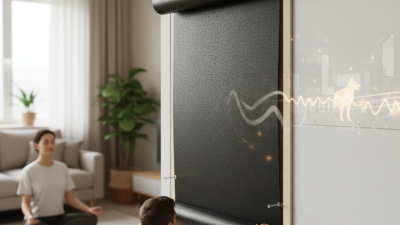
Choosing the right Acoustic Isolation Membrane can greatly impact sound management in residential and commercial spaces. According to a report by the International Institute of Noise Control Engineering, poor acoustic isolation can lead to increased stress and decreased productivity in work environments. Renowned acoustics expert Dr. Emily Hart emphasizes that "selecting the right membrane is crucial for achieving optimal sound control.”
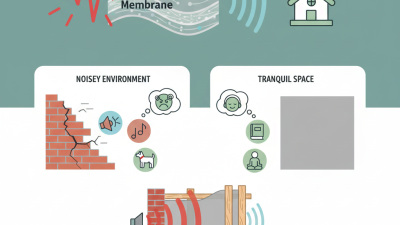
Acoustic Isolation Membranes serve as barriers to reduce the transmission of sound. They are crucial in settings where noise pollution is a concern. These membranes come in various materials, thicknesses, and properties. It's essential to understand these differences when making a choice. For example, some membranes are designed specifically for high frequencies, while others are better suited for lower frequencies.
Data shows that proper installation of these membranes can reduce noise transmission by up to 29 decibels. However, many still overlook the importance of professional installation. Each building’s unique characteristics impact how sound travels. The ideal membrane varies based on the specific nuances of each space. Understanding these factors can make selecting an Acoustic Isolation Membrane a complex task.
Understanding Acoustic Isolation Membranes and Their Importance in Construction
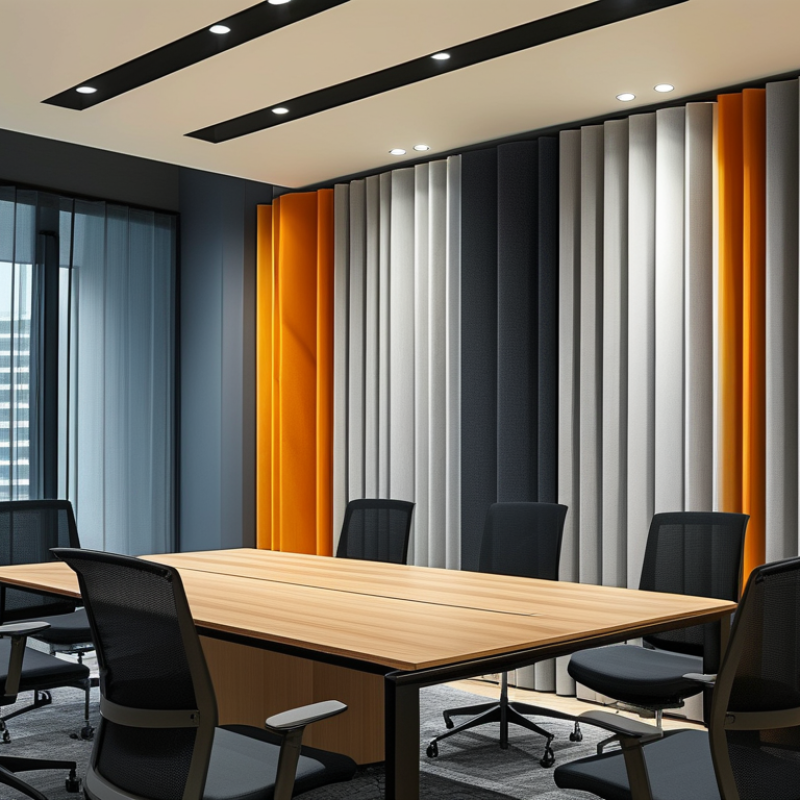
Acoustic isolation membranes play a crucial role in modern construction. These membranes serve as barriers against sound transmission, significantly influencing the overall acoustic performance of buildings. According to the National Institute of Building Sciences, incorporating appropriate acoustic isolation solutions can reduce sound transmission by up to 80%. This reduction aids in creating more comfortable living and working environments.
Understanding the different types of acoustic isolation membranes is essential. Membranes can vary in material, thickness, and installation methods, each impacting their effectiveness. A study from the University of Sydney highlighted that membranes with higher density typically provide better sound isolation. However, heavier materials can also complicate installation and affect building design. Weighing these factors is vital for achieving desired acoustic results.
Selecting the right membrane is not always straightforward. Factors such as building age, type of construction, and purpose must be evaluated. Often, project managers need to balance sound isolation with other construction priorities like thermal insulation or structural integrity. Regular assessments and adapting solutions can refine acoustic isolation strategies. Engaging with acoustic professionals can lead to more informed choices, enhancing the effectiveness and longevity of soundproofing solutions.
Key Factors to Consider When Selecting Acoustic Isolation Membranes
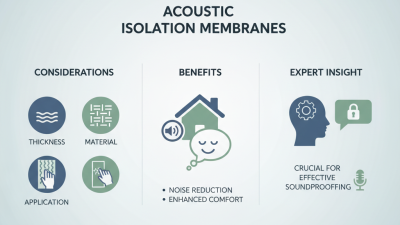
When selecting acoustic isolation membranes, several key factors come into play. The type of material used plays a significant role. Common options include rubber, foam, and mass-loaded vinyl. Each one has varying levels of density and sound absorption qualities. A heavier membrane often blocks low-frequency sounds more effectively. However, lighter materials may excel at high-frequency noise control.
Another crucial consideration is thickness. Thicker membranes generally provide better isolation. However, thickness can also affect installation and space constraints. It is essential to balance effectiveness with practicality. Additionally, the installation method may vary based on the desired level of soundproofing. Some membranes can be directly applied, while others require additional layers.
Furthermore, evaluate the environmental impact of your choice. Some materials are more eco-friendly than others. You may find yourself grappling with this decision. Choosing sustainable options can reduce your carbon footprint, yet it might mean sacrificing performance. Conducting thorough research helps in making an informed choice. Finally, always consult with professionals. Their insights can guide you to the most effective solution for your specific needs.
Industry Standards and Regulations for Acoustic Isolation Materials
When selecting acoustic isolation materials, understanding industry standards is crucial. Regulations vary by region but generally emphasize sound attenuation performance. These standards provide benchmarks that materials must meet to be deemed effective. For example, look for sound transmission class (STC) ratings that indicate how well a material can block sound. A higher STC rating typically means better isolation.
Documentation is key to verifying compliance with these standards. Manufacturers often provide technical data sheets that outline performance metrics. Yet, not all companies maintain transparency. Some may lack critical information, making it hard to assess their products' reliability. It's essential to thoroughly review these documents and question any inconsistencies.
Furthermore, environmental considerations cannot be overlooked. Many standards encourage sustainable practices. Materials should not only excel in soundproofing but also in eco-friendliness. Choosing a material that balances performance with sustainability may require additional research. It is worth assessing the long-term durability and impact of the chosen membrane. Understanding these regulations ultimately leads to more informed decisions in creating acoustically isolated spaces.
Top Tips for Choosing the Right Acoustic Isolation Membrane
| Dimension |
Details |
| Material Type |
Rubber, Cork, Polyethylene, Foam |
| Thickness |
3mm, 5mm, 10mm |
| Density |
600 kg/m³, 800 kg/m³, 1000 kg/m³ |
| Sound Reduction Index (SRI) |
20 dB, 25 dB, 30 dB |
| Fire Rating |
Class A, Class B, Class C |
| Moisture Resistance |
Yes, No |
| Compliance Standards |
ASTM, ISO, CE Mark |
| Installation Method |
Rolls, Tiles, Sheets |
Comparative Analysis of Common Acoustic Isolation Membrane Materials
When selecting the right acoustic isolation membrane, consider the materials commonly used. Each type offers unique properties and performance. For instance, rubber-based membranes are flexible and effective, but may not provide the same level of sound absorption as vinyl options. Cork materials, while eco-friendly, can vary greatly in density, influencing their overall effectiveness.
Investing in a membrane means understanding its capabilities. Evaluate specific sound frequencies it can block. High-density materials excel at reducing lower frequencies. However, this doesn’t mean they are the best choice for all environments. Testing different options in real settings often reveals surprising performance levels. Balancing between budget and desired sound isolation is crucial.
Look for membranes with certification for sound reduction. This can lend credibility to their performance claims. Pay attention to installation methods, as improper installation can undermine the membrane’s effectiveness. Custom solutions may require adjustments during the installation phase. Approach your choice with an open mind. The ideal membrane often differs based on individual needs and space characteristics.
Top Tips for Choosing the Right Acoustic Isolation Membrane
Cost-Effectiveness of Acoustic Isolation Solutions in Noise Control Applications
When selecting an acoustic isolation membrane, consider cost-effectiveness as a priority. The right solution can greatly reduce noise levels, creating a more pleasant environment. Acoustic membranes absorb sound energy, preventing it from traveling between rooms. Investing wisely in these products ensures long-term benefits without breaking the bank.
Begin by assessing the specific noise issues in your space. Concrete or wooden floors may require different solutions. Evaluating the source of noise helps in making informed decisions. Look for membranes that offer high sound insulation ratings. These ratings indicate how well a membrane can reduce noise transmission.
Also, factor in installation costs. Professional installation can add to your expenses. Sometimes, DIY options are viable and can save money. Yet, ensure that the installation is done correctly to avoid future problems. A poorly installed membrane may not perform as expected. Reflect on your choices, and don’t hesitate to consult with acoustic professionals. Their expertise can guide you toward effective and reliable solutions.