Essential Tips for Choosing Acoustic Vent Membrane?
Choosing the right Acoustic Vent Membrane can significantly impact your building's sound insulation. This decision is not always straightforward. Various factors need consideration to ensure optimal performance.
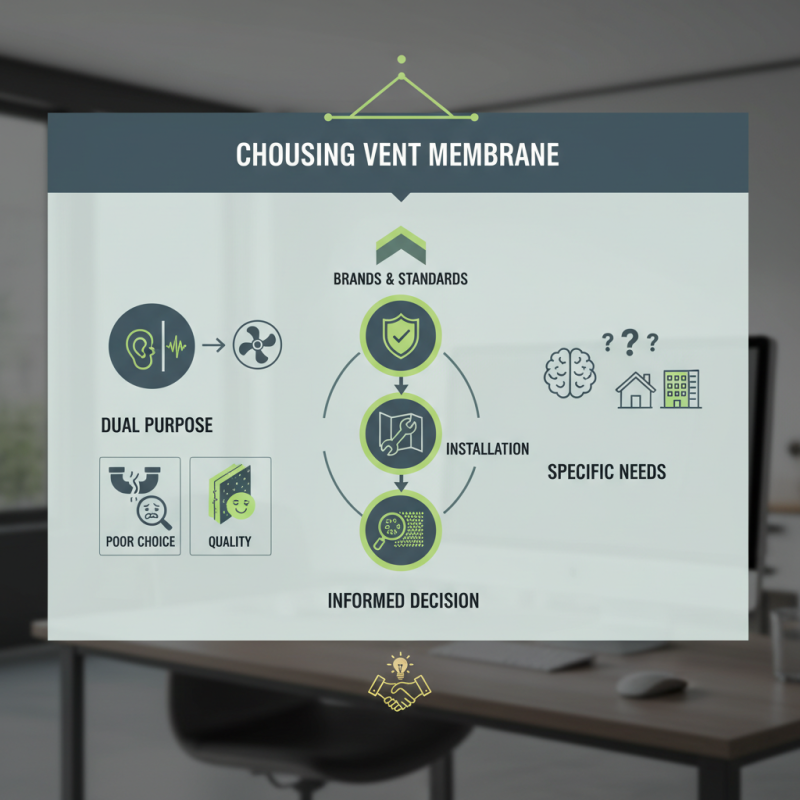
Acoustic Vent Membrane serves a unique purpose. It helps reduce noise transfer while allowing ventilation. However, many overlook the importance of quality. Poor choices can lead to unwanted sound leakage and airflow issues. It's crucial to evaluate different materials and their sound-dampening properties.
When selecting an Acoustic Vent Membrane, think about its installation process. An ill-fitting membrane can compromise effectiveness. Take time to research reputable brands and industry standards. Reflect on your specific needs; each space has different requirements. With careful thought, you can make an informed decision that enhances your living or working environment.
Understanding Acoustic Vent Membrane and Its Importance
Acoustic vent membranes are crucial in reducing noise pollution in construction. They are designed to manage sound transmission between spaces, especially in multi-family homes. Research indicates that effective sound control can improve residents' quality of life. According to a study by the International Association of Sound and Vibration, buildings with proper acoustic solutions can reduce noise levels by up to 30%.
Understanding the role of acoustic vent membranes can prevent many issues. For example, failing to select the right membrane may lead to sound leakage. This oversight could result in disturbances that affect daily activities. Unwanted noise can increase stress levels and decrease productivity. Hence, a careful choice of materials is essential.
One key factor in choosing an acoustic vent membrane is its absorption coefficient. This helps in evaluating how a material dampens sound. A higher coefficient often means better sound insulation. However, it's important to balance this with the membrane's durability and moisture resistance. Poor selections can lead to mold growth and structural damage over time. Always consider long-term effects when opting for these materials.
Key Features to Consider When Choosing an Acoustic Vent Membrane
When selecting an acoustic vent membrane, key features are essential to ensure optimal sound reduction. Noise reduction is crucial. According to a recent industry report, effective acoustic membranes can reduce sound transmission by at least 30%. This figure highlights the importance of performance in your choice.
Consider the material composition. Many membranes use sound-absorbing properties to minimize noise. The density and thickness of the membrane also matter. Thicker membranes often provide better sound isolation. Research shows that membranes over 5mm in thickness are generally more effective.
Installation is another key factor. Misalignment can lead to sound leakage. Proper fitting is vital for achieving desired acoustic performance. Field data indicates that improperly installed membranes can diminish effectiveness by up to 50%. Achieving the right balance in these features requires careful thought and planning. The choice may not be straightforward, but it’s critical for effective noise control.
Types of Acoustic Vent Membranes Available in the Market
When choosing an acoustic vent membrane, it's essential to understand the types available. Acoustic membranes vary significantly in design and function. Some are lightweight, while others are more robust and durable. The right choice influences the effectiveness of soundproofing in your space. Common types include porous membranes, which allow airflow while absorbing sound. These membranes are often made of specialized materials that enhance sound insulation.
Another option is barrier membranes that block sound transmission. These are usually heavier and denser. They’re ideal for places needing high sound control, such as studios or home theaters. However, they can be more challenging to install. Flexibility in design is also worth noting. Certain membranes can easily fit into custom applications, making them versatile.
It's important to consider the installation process. Some membranes require professional help, while others are DIY-friendly. However, improper installation can lead to reduced soundproofing effectiveness. Keep this in mind as you make your choice. Reflect on your specific needs as well. A one-size-fits-all approach may not work. Take your time to research and evaluate options before committing.
Essential Tips for Choosing Acoustic Vent Membrane
Installation Tips for Acoustic Vent Membranes
Installing acoustic vent membranes requires attention to detail. Measure the area where the membrane will be placed. Accurate measurements ensure a snug fit. An ill-fitting membrane can negate its soundproofing benefits. Use a sharp utility knife for clean edges. This helps in achieving a good seal.
When applying adhesive, avoid using too much. It can create a mess and reduce effectiveness. Instead, apply a thin, even layer. For large installations, having an assistant can be helpful. They can hold the membrane in place while you secure it. Don’t rush this process. Take your time to adjust as needed.
Remember, imperfections can happen. If bubbles form, don’t panic. Poke a small hole and press out the air. Review your work periodically to ensure everything is aligned. Some areas might need a second look for leaks or gaps. Paying attention to these small details can greatly improve performance. Learning from each installation will enhance your skills over time.
Common Mistakes to Avoid When Selecting Acoustic Vent Membranes
When selecting acoustic vent membranes, many make common mistakes that can lead to ineffective solutions. One prevalent error is overlooking material specifications. Different materials have varying sound absorption ratings. For instance, studies show that membranes with a Noise Reduction Coefficient (NRC) below 0.5 often fail to provide adequate sound proofing in busy environments.
Another critical mistake is miscalculating the necessary vent size. Proper sizing is vital to ensure that the vents can effectively handle airflow while minimizing sound transmission. According to a research report, incorrectly sized vents can increase noise levels by up to 30%, which defeats the purpose of installing acoustic membranes.
Additionally, some people ignore installation guidelines. Proper installation can enhance the performance of the membranes significantly. For example, improperly sealed membranes can create gaps that allow sound to leak through. This often leads to disappointing results, even with high-quality products. It's essential to reflect on these details to avoid costly mistakes in your project.