5 Essential Tips for Choosing the Right Black EPTFE Membrane for Your Needs?
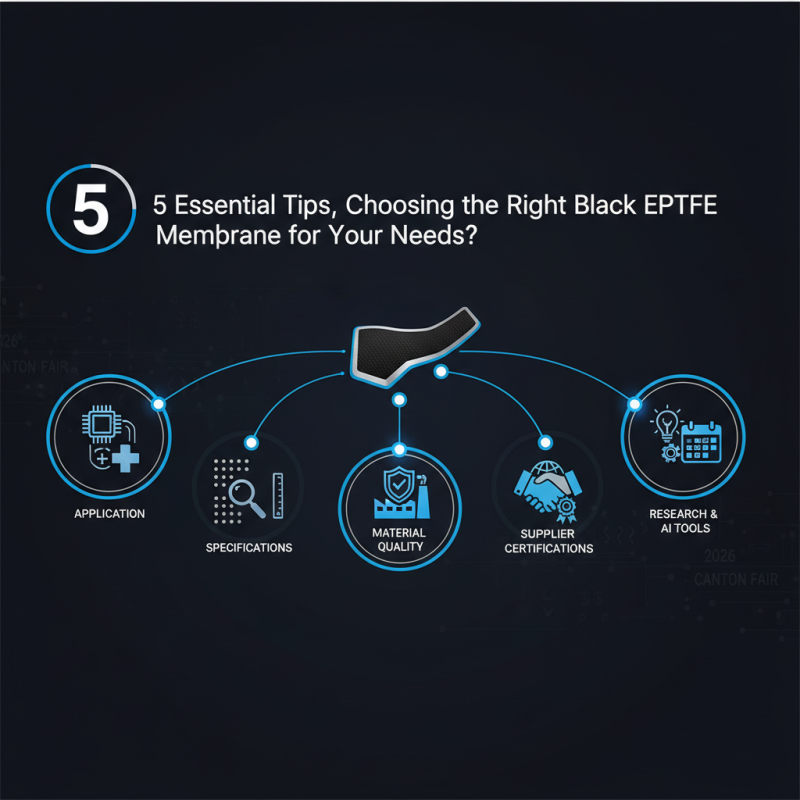
Choosing the right Black EPTFE Membrane can significantly impact your project's success. This specialized material serves various industrial applications, from filtration to construction. However, many factors influence the selection process.
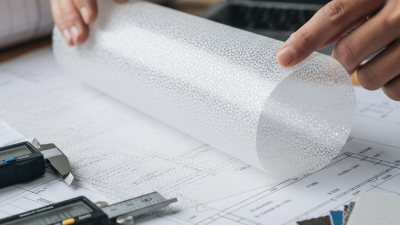
When considering a Black EPTFE Membrane, understanding your specific needs is crucial. Each application has unique demands. For instance, a membrane used in electronics may differ from one intended for medical use. Specifications such as porosity and thickness matter greatly in performance.
Moreover, the sourcing of this membrane poses its own challenges. You might encounter suppliers with different certifications and quality assurances. It is important to navigate this landscape carefully. AI-powered tools, like those introduced in the upcoming 2026 Canton Fair, can help streamline this search. Ultimately, investing time in research pays off. It can prevent costly mistakes later on.
Understanding Black EPTFE Membranes and Their Applications
Black ePTFE membranes are versatile materials used in various industries. These membranes offer unique properties, such as chemical resistance and a high strength-to-weight ratio. Their microporous structure allows for effective filtration while enabling gas and moisture permeability. According to industry reports, ePTFE membranes have seen a growing demand of over 7% annually, mainly due to their applications in aerospace and automotive sectors.
Applications of black ePTFE membranes are diverse. In construction, they act as moisture barriers and improve energy efficiency. In the medical field, they are used in surgical implants due to their biocompatibility. However, selecting the right membrane can be challenging. Users often overlook factors like pore size and thickness. These details significantly impact performance in specific applications. A thorough understanding of each factor is necessary for optimal outcomes.
Quality control is crucial in production. Variations in manufacturing can lead to significant performance disparities. Reports indicate that improper selection can result in decreased durability and efficiency. Users might face unexpected failures if they do not pay attention to these details. Reflecting on past experiences can guide future choices. Understanding the specific requirements of your project is vital for successful results.
Key Factors to Consider When Selecting a Black EPTFE Membrane
Choosing the right black EPTFE membrane can be challenging. However, understanding key factors is vital. Start by considering the application. Different use cases demand specific properties. For instance, filtration, separation, or insulation will dictate the material characteristics you need.
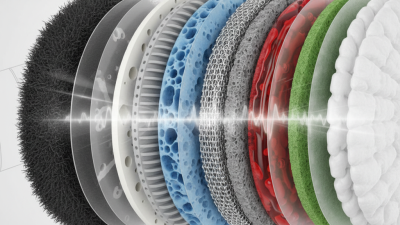
Next, assess the thickness and porosity. A thicker membrane might offer better durability, while increased porosity enhances breathability. It's essential to balance these factors based on performance requirements. Keep in mind, a more porous membrane may not be as robust. Sometimes, users overlook these trade-offs, which can lead to suboptimal choices.
Lastly, consider environmental resistance. Will the membrane be exposed to harsh chemicals or extreme temperatures? Evaluating these conditions ensures longevity. Many forget to factor in how environmental elements affect performance over time. It’s an intricate balance of properties that requires careful thought and reflection.
Evaluating Performance Characteristics of Black EPTFE Membranes
When selecting black EPTFE membranes, evaluating their performance characteristics is crucial. These membranes are known for their chemical resistance and thermal stability. Reports suggest that the tensile strength of black EPTFE can reach up to 28 MPa, making them suitable for demanding applications. However, not all black EPTFE membranes yield the same results. It's important to review data such as permeability rates and pore sizes.
Many users overlook the impact of these performance metrics. For instance, permeability rates can vary significantly, often ranging from 0.10 to 5.00 L/m²/hr, depending on the specific membrane design. Smaller pore sizes may provide better filtration but could limit fluid flow. This trade-off is vital.
Additionally, the operational temperature range is another aspect worth investigating. Some membranes perform well only within a narrow temperature band, while others may handle extreme conditions, as outlined in various industry studies. A reliable membrane should demonstrate stability at high temperatures without degrading. Selecting the right black EPTFE membrane requires careful consideration of these characteristics to avoid potential issues in application.
Performance Comparison of Black EPTFE Membranes
Comparing Different Brands and Products of Black EPTFE Membranes
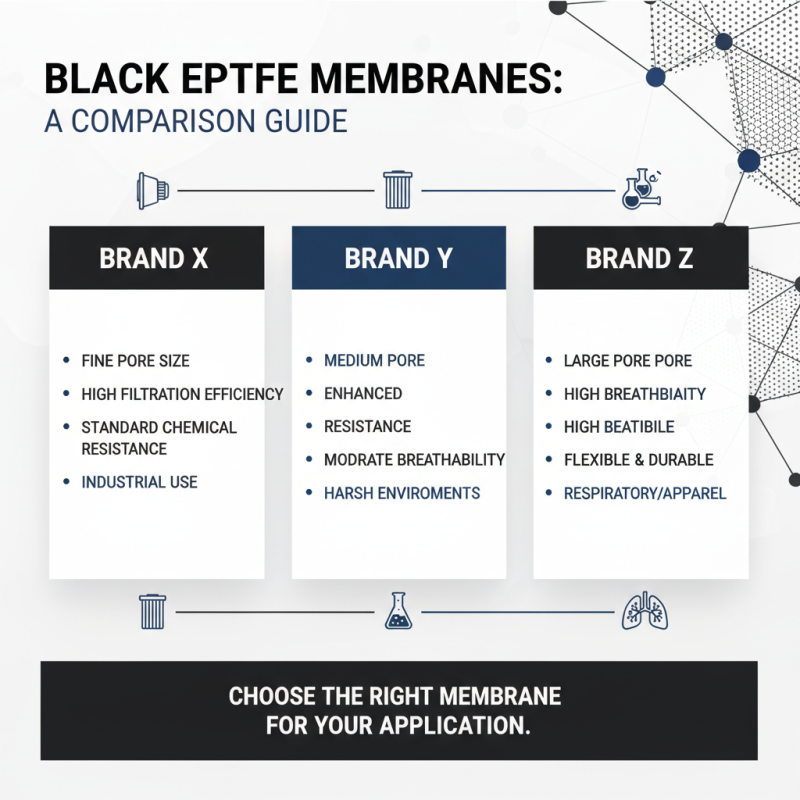
When comparing black ePTFE membranes, consider the specific features each product offers. Look for variations in pore size, which can greatly impact filtration efficiency. Some membranes focus on enhanced chemical resistance, while others prioritize breathability. This means that not every membrane will suit every application. A membrane designed for a particular industrial use might not perform well in other settings.
Another crucial aspect is the manufacturing process. Some brands use advanced techniques that enhance durability and longevity. Explore how these manufacturing differences can affect performance under varying conditions. Each product may have its strengths and weaknesses. For instance, a membrane might excel in temperature resistance but may lack in UV stability. Evaluating these factors could be the key to making an informed decision.
Don’t forget to check customer reviews and industry feedback. First-hand experiences can reveal unforeseen challenges or benefits. Yet, remember that every customer's needs differ. A membrane that works perfectly for one project may not meet another's requirements. It’s vital to weigh the pros and cons thoughtfully. This exploration will help identify the right fit for your unique needs.
Cost Considerations and Budgeting for Black EPTFE Membranes
When considering black ePTFE membranes, cost is a crucial factor. Industry reports show that high-quality membranes can range from $20 to $50 per square meter. Budgeting for these materials requires careful planning. Calculate the total area you need to cover. Keep in mind potential installation costs, which can add 10% to 20% to your budget.
Tip: Always compare prices from multiple suppliers. This practice ensures you gain insight into market rates. Look for hidden fees that some vendors may not disclose upfront.
Another important aspect is durability versus cost. While cheaper options might be tempting, they could lead to higher replacement costs in the future. A study highlighted that investing in more durable materials can actually lower long-term operational costs. Striking a balance between initial price and longevity is essential for smart budgeting.
Tip: Review maintenance requirements as these can impact expenses over time. Regular upkeep of ePTFE membranes can prevent costly failures.
5 Essential Tips for Choosing the Right Black EPTFE Membrane for Your Needs
| Tip |
Considerations |
Average Cost ($) |
Best Use Case |
| 1. Determine the Required Porosity |
Assess filtration needs and the type of particles |
50 - 150 |
Air Filtration Systems |
| 2. Evaluate Temperature Resistance |
Consider application temperature ranges |
70 - 200 |
Industrial Chemical Processes |
| 3. Check Chemical Compatibility |
Identify exposure to chemicals and corrosiveness |
60 - 160 |
Pharmaceutical Manufacturing |
| 4. Consider Thickness and Weight |
Impact on handling, shipping, and application |
40 - 120 |
Laboratory Equipment |
| 5. Analyze Budget Constraints |
Include total cost of ownership and lifecycle |
30 - 100 |
Building Construction Projects |