Top 10 Acoustic Membrane Innovations You Should Know About?
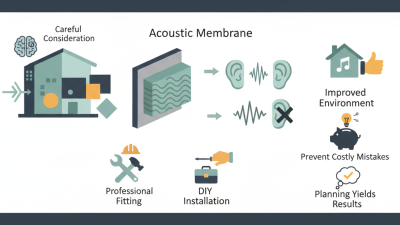
Acoustic membranes are at the forefront of sound control innovation. These advanced materials provide effective solutions for noise reduction in various environments. A recent industry report indicates that the global acoustic materials market is expected to reach $119.49 billion by 2027, with acoustic membranes playing a pivotal role in this growth.
Their unique properties allow for better soundproofing and sound absorption. In urban areas, construction and transportation contribute significantly to noise pollution. Acoustic membranes help mitigate this issue by improving the quality of living spaces. A study shows that optimal acoustics can enhance productivity by up to 15%, highlighting their importance in workplaces and public spaces.
However, not all acoustic membranes are created equal. Some technologies claim to deliver high performance but lack comprehensive testing. It’s crucial to assess the reliability of these innovations. Investing in proven acoustic membranes can lead to noticeable differences in sound quality and overall comfort. Staying informed about the latest advancements ensures better choices for both residential and industrial applications.
Top Trends in Acoustic Membrane Material Research and Development
Acoustic membranes are experiencing significant innovations, especially in material research and development. Recent studies indicate that the global acoustic membrane market is projected to grow at a CAGR of 7.2% from 2023 to 2030. This trend underscores the importance of advancing materials that enhance sound absorption and reduce noise pollution.
One emerging trend is the development of bio-based acoustic membranes. These materials are derived from renewable sources, contributing to sustainability efforts within the industry. According to a 2021 report, bio-based options can reduce carbon footprints by up to 50% compared to conventional materials. Researchers are exploring plant fibers and natural polymers, aiming for effective sound management without environmental harm.
However, challenges persist. Current acoustic membranes often struggle with durability and performance in varying environments. A recent survey highlights that 40% of professionals in the field express concerns over material longevity. As research continues, the focus should not only be on innovation but also on addressing these critical shortcomings. Enhanced durability could significantly improve the effectiveness of acoustic solutions in both residential and commercial applications.
Impact of Acoustic Membranes on Noise Reduction Standards in Building Codes
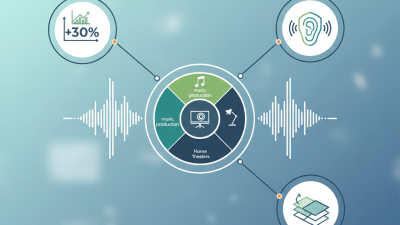
Acoustic membranes have become essential in modern building design. They play a crucial role in noise reduction efforts. Recent studies indicate that buildings employing advanced acoustic membranes can achieve up to a 30% reduction in sound transmission. This reduction is significant in urban areas where noise pollution impacts health and comfort.
The impact of these membranes on building codes is profound. Many local regulations are adapting to include stricter noise reduction standards. A report from the National Institute of Standards and Technology highlights that improved sound insulation in residential buildings could lower stress-related health issues by 20%. Many architects now prioritize acoustic performance, integrating these innovations into their designs.
Challenges exist in balancing cost and performance. Some high-performance membranes can be more expensive to install. There is a continuous debate about the best materials. Not all acoustic membranes deliver the same results. Ongoing research is crucial to improve these materials and ensure compliance with evolving building codes.
Innovative Applications of Acoustic Membranes in Automotive Soundproofing
Acoustic membranes are transforming automotive soundproofing. Their innovative applications address the growing demand for quieter vehicles. A report by Grand View Research indicates that the global automotive acoustic materials market is expected to reach $27.15 billion by 2025. This growth is driven by rising consumer expectations for comfort and noise reduction.
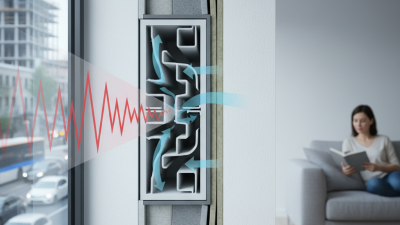
These membranes are lightweight and versatile, making them ideal for sound absorption in various vehicle components. They can be used in doors, dashboards, and roofs. Acoustic membranes work by dampening vibrations, which reduces noise transmission. Recent studies have shown that vehicles employing advanced acoustic solutions can achieve a noticeable reduction in interior sound levels.
Tip: When considering soundproofing solutions, focus on materials with high-performance ratings. Look for products that offer a balance between weight and sound absorption. This is essential for maintaining vehicle efficiency while improving comfort levels.
While innovations in acoustic membranes are promising, challenges remain. Durability and effectiveness can vary based on environmental factors, such as temperature and humidity. Manufacturers must evaluate long-term performance to ensure reliability. Continuous research and development are crucial for addressing these issues and enhancing acoustic solutions in the automotive industry.
Comparative Analysis of Acoustic Membrane Performance: Natural vs. Synthetic
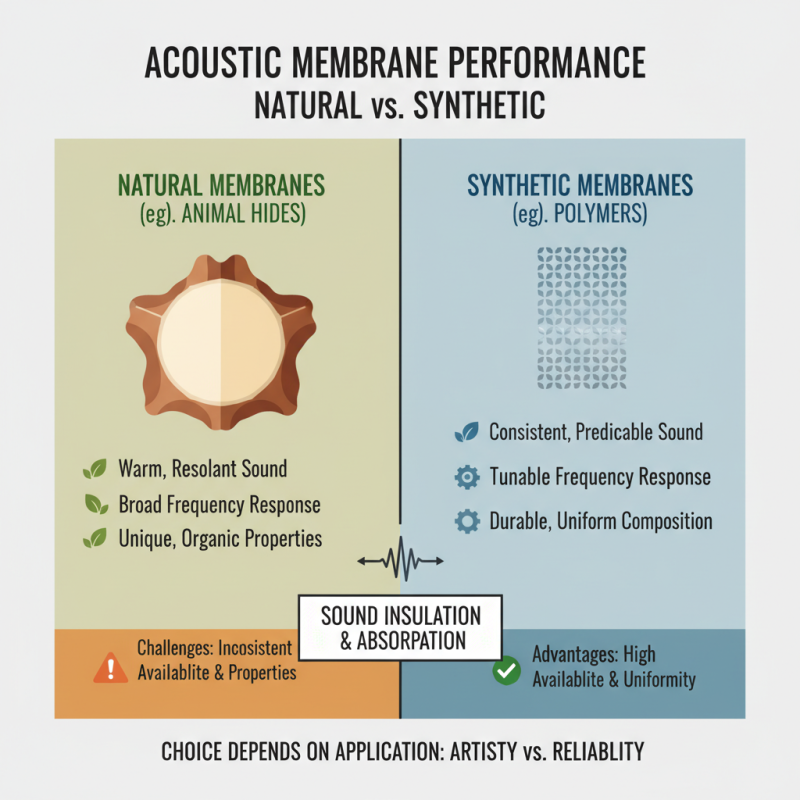
Acoustic membranes play a crucial role in sound insulation and absorption. Natural membranes, like animal hides, have unique properties. They respond well to various frequencies. This can create a warm, resonant sound in a space. However, their availability and consistency can be inconsistent.
Synthetic membranes, on the other hand, offer reliability and versatility. They can be engineered for specific acoustic needs. Their performance in high-frequency sound absorption is often superior. Yet, they sometimes lack the warmth of natural materials. This difference can affect the overall acoustic experience in a room.
In choosing between natural and synthetic options, consider your specific needs. Do you prioritize warmth or consistency? Balancing performance with aesthetics is often challenging. Natural materials can bring charm but may not always deliver. Synthetic options provide control but might lack character. Every choice has trade-offs worth reflecting on.
Future Prospects in Acoustic Membrane Technology: Market Forecasts and Growth
The future of acoustic membrane technology appears promising, driven by continuous innovations.
The global market is expected to grow significantly, with a compound annual growth rate (CAGR) of around
12% from 2023 to 2030 (Market Insights Report, 2023).
Major industries, including automotive, aerospace, and construction, are increasingly utilizing acoustic membranes for
enhanced sound management.
Advanced materials, such as nanocomposites, are leading this transformation.
These materials improve sound absorption and energy efficiency.
Investors and manufacturers should pay attention to emerging trends. Several reports highlight the potential for
smart membranes equipped with sensory functions.
These products could adapt their acoustic properties in real-time, greatly impacting noise pollution management.
Industry specialists emphasize the importance of integration with IoT solutions, creating innovative environments.
Tip: Engage with research and development teams to explore collaboration opportunities.
Innovation often results from merging different expertise. Experimenting with unusual materials or designs can lead to breakthroughs.
It's worth considering the environmental impact; sustainable options are gaining traction.
Additionally, reevaluating traditional methods might uncover overlooked improvements.
Embracing a culture of exploration may yield unexpected advancements in acoustic technology.