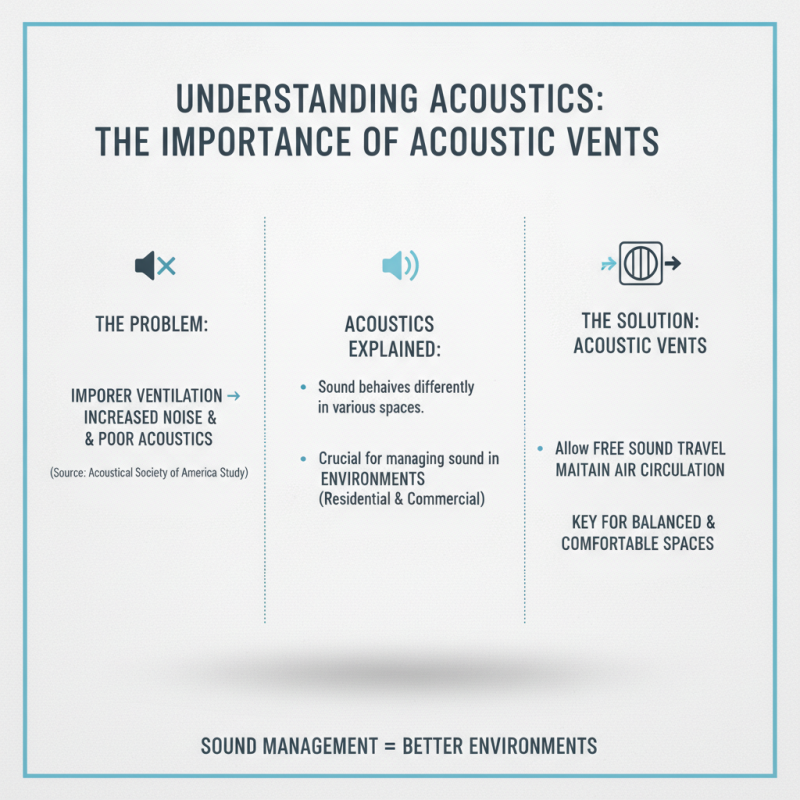
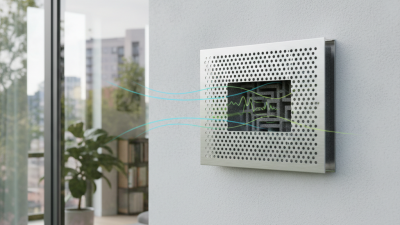
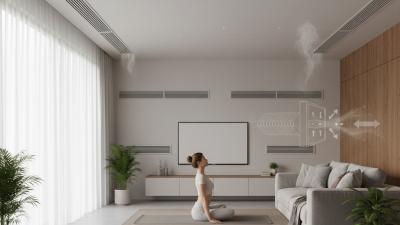
Top 5 Tips for Choosing the Best Acoustic Vent for Your Needs?
Choosing the right acoustic vent can significantly impact your space's sound quality and comfort. Acoustic vents play a crucial role in controlling noise levels. They help to balance airflow and sound absorption. According to industry reports, proper ventilation systems can improve indoor sound environments by up to 30%. This improvement is vital in residential and commercial spaces alike.
Understanding your specific needs is essential. Not all acoustic vents are created equal. Some are better suited for high-traffic areas, while others excel in quieter settings. Top brands emphasize product ratings and testing results for reliability. Research shows that many users overlook important factors when selecting acoustic vents. Consequently, they may face issues such as inadequate sound isolation or inefficient air circulation.
In this competitive market, expert advice can make a difference. Many professionals recommend consulting product specifications before making a choice. Evaluating features like material quality and design can guide you. Having the right acoustic vent can enhance both functionality and aesthetics of your space, ensuring you create a harmonious environment.
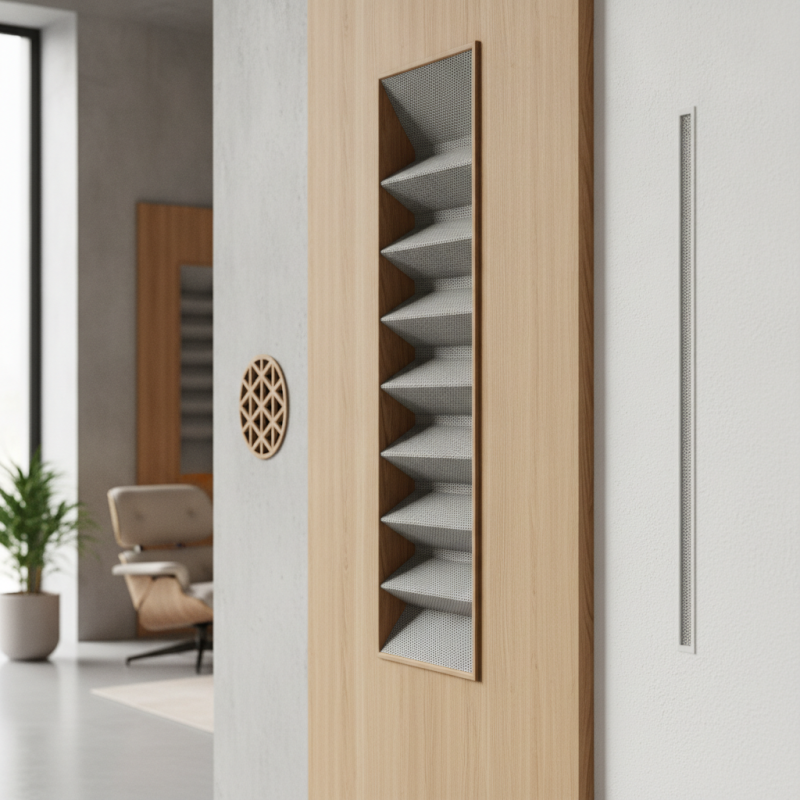
Understanding Acoustics: The Importance of Acoustic Vents
Acoustic vents play a critical role in managing sound within various environments. A study by the Acoustical Society of America shows that improper ventilation can lead to increased noise levels and poor acoustics. Understanding acoustics is essential. It involves recognizing sound behavior in spaces of different shapes and sizes. Acoustic vents allow sound to travel freely while maintaining air circulation, which is vital in both residential and commercial settings.
When choosing an acoustic vent, consider these tips: Ensure the vent size matches your space requirements. A proper fit minimizes sound leakage and enhances performance. Select materials that absorb rather than reflect sound. This choice impacts how sound waves interact. Lastly, evaluate the vent's design for aesthetic coherence with your space. An appealing design complements functionality, creating a harmonious environment.
Many overlook the significance of proper placement. Incorrectly positioned vents can create uneven sound distribution, leading to unwanted noise hotspots. Additionally, consider your specific needs. Different areas of a building have unique acoustic challenges. Addressing these individual requirements can significantly improve comfort and functionality. Thus, investing time in understanding and selecting the right acoustic vent pays off in the long run.
Identifying Your Space Needs: Room Size and Acoustic Requirements
When selecting the right acoustic vent, understanding your space is key. The room size plays a crucial role in determining the correct vent type and placement. A large room may require multiple vents to distribute sound evenly. Conversely, a smaller space might benefit from just one well-placed vent, creating an optimal acoustic environment.
Acoustic requirements differ based on usage. For example, a music studio needs precise sound control. In contrast, a home office may prioritize comfort over acoustics. Consider how sound travels in your space. High ceilings can reflect sound, making it essential to choose vents that mitigate this effect.
Sometimes, trial and error may be necessary. You might find that what works in theory doesn’t fit your unique needs.
Another important factor is material. Different materials absorb or reflect sound differently. It’s crucial to choose a vent that complements your room's existing elements. Reflect on your choices as you implement them.
Test various setups to see what truly enhances your sound quality. Embrace the process; finding the perfect acoustic vent might require adjustments along the way.
Material Matters: Choosing the Right Material for Acoustic Vents
When selecting an acoustic vent, material choice plays a crucial role in overall performance. Different materials can significantly affect sound absorption and transmission. For instance, fiberboard is widely recognized for its sound-dampening properties. According to industry studies, fiberboard can absorb up to 80% of sound energy, making it an ideal choice for environments where noise reduction is paramount.
Many professionals suggest assessing the acoustic rating of materials. Each material boasts different ratings based on testing methodologies. For example, high-density materials like mineral wool are effective in reducing sound transmission in spaces with high traffic or machinery. However, navigating these options can be complex. What works for one setting may not suit another. It’s essential to consider specific needs and conduct thorough research before making a decision.
Additionally, aesthetic appeal should not be overlooked. The material's texture and finish can influence the overall design of a space. This balance between functionality and style often leads to challenging decisions. Evaluating options based on acoustic properties while facing design preferences is an ongoing dilemma for many professionals. Thus, reflecting on the specific demands of your environment is vital.
Top 5 Acoustic Vent Materials Comparison
Types of Acoustic Vents: Pros and Cons of Each Design
When selecting an acoustic vent, understand the different types available. Each design serves specific needs and has its own advantages and disadvantages.
Passive vents, for instance, allow air circulation without mechanical assistance. They are energy-efficient but may not provide sufficient sound isolation. If you prioritize airflow over complete soundproofing, this might be the right choice.
Active vents, on the other hand, use fans to control airflow and sound levels. These systems can be quite effective in reducing noise, but they tend to consume more energy. Moreover, they require regular maintenance. Consider how much upkeep you are willing to invest. Hybrid designs combine both passive and active elements, offering a balance of efficiency and sound control. However, complexity can lead to challenges in installation and cost.
Acoustic vents with adjustable features allow for customization based on the environment. While they can be beneficial, the mechanisms may fail and require repairs. Reflect on your primary needs.
How much noise reduction is essential?
What are your climate control requirements? These reflections will guide your decision towards the most effective choice for your space.
Installation and Maintenance: Ensuring Optimal Performance of Acoustic Vents
When it comes to installing acoustic vents, the process can significantly impact their effectiveness. A poorly installed vent can lead to unwanted noise leakage, reducing the material's overall purpose. Ensure that the vents are fitted correctly, sealing any gaps that may allow sound to pass through. Pay attention to the positioning; it’s essential to place vents in areas where noise levels are typically higher. Sometimes, trial and error is necessary to find the best locations.
Maintenance of acoustic vents is crucial for optimal performance. Regularly check for any blockages or dust buildup that can hinder sound absorption capabilities. Over time, components may wear out, requiring replacement. Simple inspections can prevent bigger problems down the road. Many people overlook this aspect, thinking once installed, the vents will perform perfectly forever. Neglecting maintenance can lead to decreased efficiency, prompting a need to reassess your approach. Consider setting a regular schedule for check-ups to ensure your vents operate at their best. It can make a difference in noise levels in your space.
Top 5 Tips for Choosing the Best Acoustic Vent for Your Needs - Installation and Maintenance: Ensuring Optimal Performance of Acoustic Vents
| Tip No. |
Tip Description |
Considerations |
Maintenance Tips |
| 1 |
Evaluate Sound Absorption Needs |
Consider the type of space and noise sources. |
Regularly assess the effectiveness through sound tests. |
| 2 |
Check Material Composition |
Look for high-density materials that excel in soundproofing. |
Inspect for wear and tear regularly. |
| 3 |
Consider Vent Size |
Size affects sound flow; ensure proper sizing for your space. |
Keep vents clear of obstructions for optimal airflow. |
| 4 |
Installation Location |
Placement influences sound performance; avoid direct noise sources. |
Periodically review the installation position for effectiveness. |
| 5 |
Budget Considerations |
Balance cost with the desired performance level. |
Maintain a schedule for cleaning and servicing to extend lifespan. |