2026 Top Acoustic ePTFE Membrane Types for Global Buyers
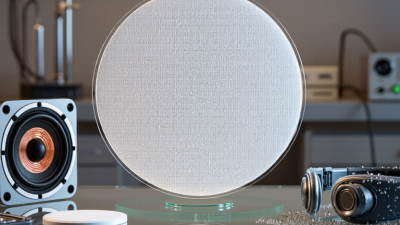
In 2026, global buyers are evaluating Acoustic Eptfe Membrane materials with greater technical discipline. These membranes protect microphones, speakers, and pressure-sensitive acoustic components from water, dust, oil, and changing air pressure. Their microscopic pores allow sound transmission while limiting liquid entry. Performance depends on pore structure, thickness, bonding method, and application design.
Common choices include expanded PTFE films, adhesive-backed membranes, laminated acoustic layers, and molded vent assemblies. Expanded PTFE films offer a lightweight barrier for compact electronics. Adhesive-backed versions can simplify assembly around small openings. Laminated structures may improve handling and mechanical stability. Molded assemblies suit products requiring controlled placement and repeatable sealing. However, material names alone cannot confirm suitability. Buyers should review acoustic attenuation, airflow resistance, ingress protection, temperature range, tensile strength, and aging data. Test results matter.
Field experience shows that installation quality often determines final performance. A clean bonding surface, controlled compression, and accurate aperture can prevent avoidable failures. Small details matter. Suppliers should provide batch traceability, technical datasheets, sample testing, and clear quality standards. Independent verification is valuable for high-volume or safety-sensitive applications. No single membrane wins every project. A thinner film may support sound transmission, but it can require gentler handling. A stronger laminate may improve durability, yet change acoustic behavior. This trade-off deserves honest review. Global procurement teams should compare verified data, production consistency, and technical support before selecting the most suitable Acoustic Eptfe Membrane type.
What Acoustic ePTFE Membranes Are and How They Work
2026 Top Acoustic ePTFE Membrane Types for Global Buyers
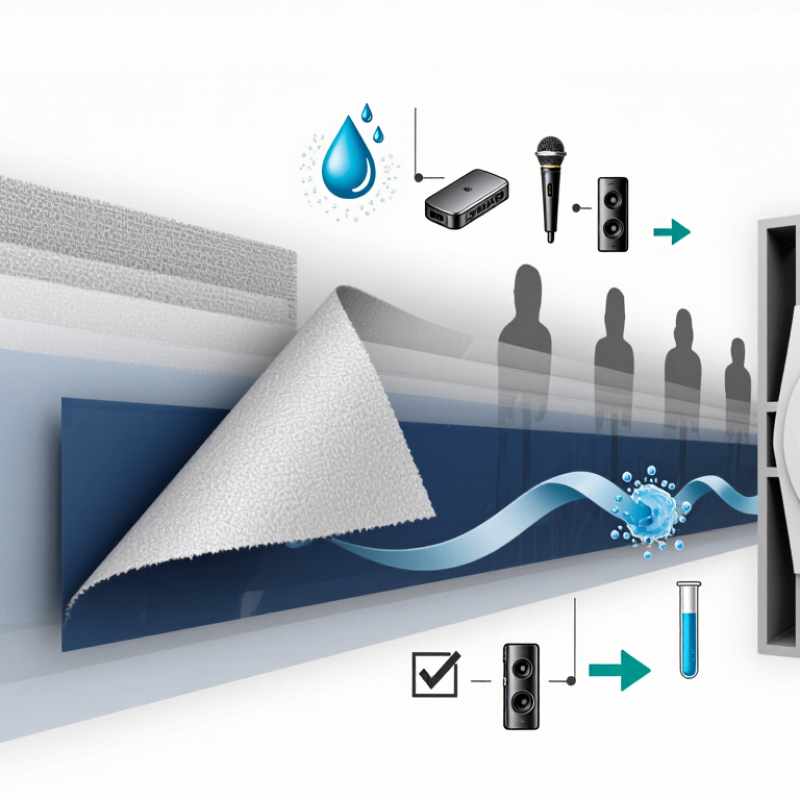
Acoustic ePTFE membranes are thin, microporous films made from expanded polytetrafluoroethylene. Their pores allow air movement and sound transmission, while blocking liquid water and many particles. In a speaker, microphone, or communication device, the membrane acts like a protective window. Sound passes through it, but rain, dust, and splashes meet a strong barrier. Its performance depends on pore structure, thickness, tension, and surface treatment. Common options include unlaminated films, laminated membranes, adhesive-backed vents, and molded acoustic assemblies.
The membrane must balance two competing needs: clear sound and reliable protection. A tighter structure can improve water resistance, but it may increase acoustic loss. A thinner film often supports better high-frequency transmission, yet handling becomes more difficult. Engineers usually check insertion loss, airflow resistance, pressure equalization, and ingress protection under real conditions. Testing should include vibration, heat, humidity, and repeated exposure to water. Laboratory data helps, but field behavior can differ. That part is easy to underestimate.
Tips: Match the membrane to the device opening, not only the advertised rating. Confirm test methods, frequency curves, adhesive compatibility, and assembly pressure. Allow enough space for clean bonding. Even a small wrinkle can create a leak path. No membrane is perfect. Recheck performance after aging tests and production handling.
Key Structural Types of Acoustic ePTFE Membranes
For global buyers, acoustic ePTFE membranes usually fall into three structural types: unsupported porous films, reinforced films, and multilayer laminated membranes. Unsupported films offer high acoustic openness and low mass. They suit microphones, speakers, and compact sensor vents. However, they can wrinkle during assembly.
Reinforced structures add a supporting mesh or scrim behind the ePTFE layer. This improves handling, dimensional stability, and resistance to vibration. The trade-off is real: added support can increase airflow resistance. Multilayer membranes combine ePTFE with protective fabrics, adhesive layers, or shaped housings. They provide stronger barriers against water, dust, oil mist, and pressure pulses. Excessive adhesive coverage may reduce high-frequency transmission.
Grand View Research’s 2024 ePTFE membrane analysis estimates the wider market at approximately US$1.6 billion in 2023, with growth above 7% annually through 2030. MarketsandMarkets’ 2024 membrane technology research also identifies multilayer and composite designs as important routes for improving durability. These figures cover broader membrane applications, not acoustic products alone. Buyers should therefore request structure-specific test data, including acoustic insertion loss, airflow resistance, IP performance, hydrostatic pressure, UV exposure, and salt-spray results. A membrane can pass one test and still fail in a real enclosure. That part is often underestimated.
2026 Top Acoustic ePTFE Membrane Types for Global Buyers
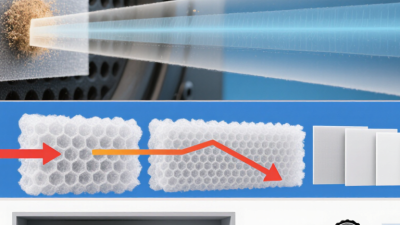
Key structural types are compared by their typical ePTFE membrane layers and added support or protection layers. Layer counts describe construction architecture, not acoustic performance ratings.
How to read the chart: Single-layer membranes provide the simplest construction. Scrim and nonwoven laminates add mechanical protection, while multilayer laminates combine more than one ePTFE membrane layer for demanding design requirements.
Performance Differences Among Leading Membrane Types
Acoustic ePTFE membranes differ mainly in pore structure, backing design, and surface treatment. Fine-pore, single-layer membranes usually provide low acoustic obstruction while blocking liquid water. Their airflow resistance can remain below 100 Pa·s/m in published laboratory datasets, but results vary with mounting pressure and frequency. Small details matter.
Composite membranes add a protective textile or polymer support. They typically resist abrasion, dust, and repeated handling better than unsupported films. The trade-off is higher mass and greater acoustic impedance. Testing reported in the 2024 MarketsandMarkets fluoropolymer materials review shows that reinforcement remains a major development direction for demanding industrial applications. However, market reports rarely provide comparable insertion-loss data. Buyers should question broad performance claims.
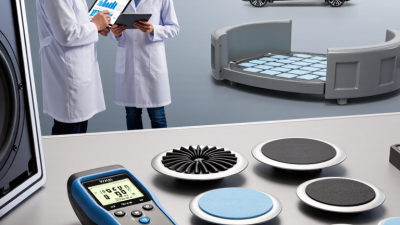
Hydrophobic grades suit outdoor enclosures, while oleophobic treatments improve resistance to oils and industrial aerosols. Yet surface treatments may reduce vapor transfer or change high-frequency response. IEC 60529 ingress testing can verify enclosure protection, but it does not prove acoustic transparency. ISO 3745 or controlled impedance-tube testing is more relevant for sound performance. In practical trials, a membrane that performs well at 1 kHz may behave differently above 8 kHz. That difference is easy to miss. I would request raw test curves, not only a single decibel figure, because mounting geometry often influences the result as much as membrane type.
How to Select ePTFE Membranes for Global Applications
Selecting acoustic ePTFE membranes for global products starts with the sound path, not the catalog name. In microphones, speakers, and pressure vents, the membrane must balance airflow, acoustic transparency, and environmental protection. Thin microporous films suit compact acoustic openings. Reinforced laminates suit harsher handling. Pressure-vent constructions may fit sealed enclosures. Measure acoustic resistance across the intended frequency range. A membrane that performs well at one frequency may weaken speech clarity elsewhere. Small details matter. Consider pore structure, thickness, tension, and supporting mesh. I have found that enclosure geometry can change results more than expected. Test the assembled device, not only the loose film.
Global applications add humidity, dust, salt spray, temperature cycling, and shipping pressure changes. Choose hydrophobic ePTFE when water exposure is likely, but verify oil resistance separately. These properties are not identical. Check operating temperatures, adhesive compatibility, and pressure equalization speed. For outdoor equipment, run ingress and aging tests using the real housing materials. Laboratory coupons can mislead. A useful selection record lists target sound pressure level, frequency response, airflow resistance, pore characteristics, and failure limits. Keep revision history visible.
For international production, confirm dimensional tolerances, batch consistency, documentation, and applicable product standards in each market. Ask for test methods, not only headline values. Results from different laboratories may not be directly comparable. Pilot several membrane constructions before fixing the design. This costs time, yet redesign costs more. I would challenge one common assumption: maximum water resistance is not always best. A highly resistant layer may restrict venting or alter high-frequency output. Field feedback often reveals mounting pressure and dust-loading problems missed during qualification.
International Standards, Sourcing, and Quality Evaluation
For global buyers, acoustic ePTFE membranes should be assessed through standards, sourcing discipline, and repeatable testing. The membrane must protect sensitive acoustic openings while allowing sound transmission. Check its housing fit, pore structure, water resistance, and airflow behavior. Small details matter.
Request test reports that identify methods, sample sizes, and laboratory conditions. IEC 60529 can support enclosure ingress protection claims, but it does not replace acoustic testing. Ask for sound transmission data, pressure equalization results, and hydrophobicity measurements. Compare results at several frequencies, not only one attractive figure. Material declarations should address relevant market requirements, such as RoHS and REACH, where applicable. Ask for evidence.
Sourcing requires more than a low unit price. Confirm production location, approved material specifications, batch traceability, and change-control procedures. A reliable supplier should provide inspection records, dimensional tolerances, and packaging details for humid or dusty transport routes. Small pilot orders can expose adhesive failure, uneven bonding, or blocked pores before mass production. These defects are easy to miss visually. The uncomfortable part is that international certificates may describe a factory system, not the exact membrane you will receive. Buyers should therefore combine document review with independent sampling. A second test may disagree slightly, and that is normal; unexplained differences are not. Clear acceptance limits, retained samples, and written corrective actions make quality decisions more dependable across borders.