Why Choose Black EPTFE Membrane for Your 2026 Projects?
As the construction landscape evolves, the demand for advanced materials is critical. In this context, the “Black EPTFE Membrane” stands out. Renowned expert Dr. Amelia Chen, a leading researcher in membrane technology, states, "The Black EPTFE Membrane offers unmatched durability and versatility." This statement encapsulates the essence of why this material should be a priority for your 2026 projects.
The Black EPTFE Membrane is known for its unique properties, including excellent chemical resistance and exceptional thermal stability. It is lightweight yet strong, making it suitable for various applications. Its aesthetic appeal adds value to architectural designs, especially when visual impact is crucial. However, the material’s cost may seem high, prompting some projects to consider alternatives. Despite this, the long-term benefits often outweigh initial expenses.
Selecting the right materials is a complex decision. While many options exist, the Black EPTFE Membrane remains reliable. The balance between performance and cost is essential. Reflection on project goals can guide you in choosing the right membrane that meets both functional and design needs.
Understanding the Unique Properties of Black EPTFE Membranes
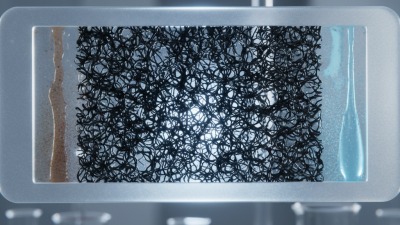
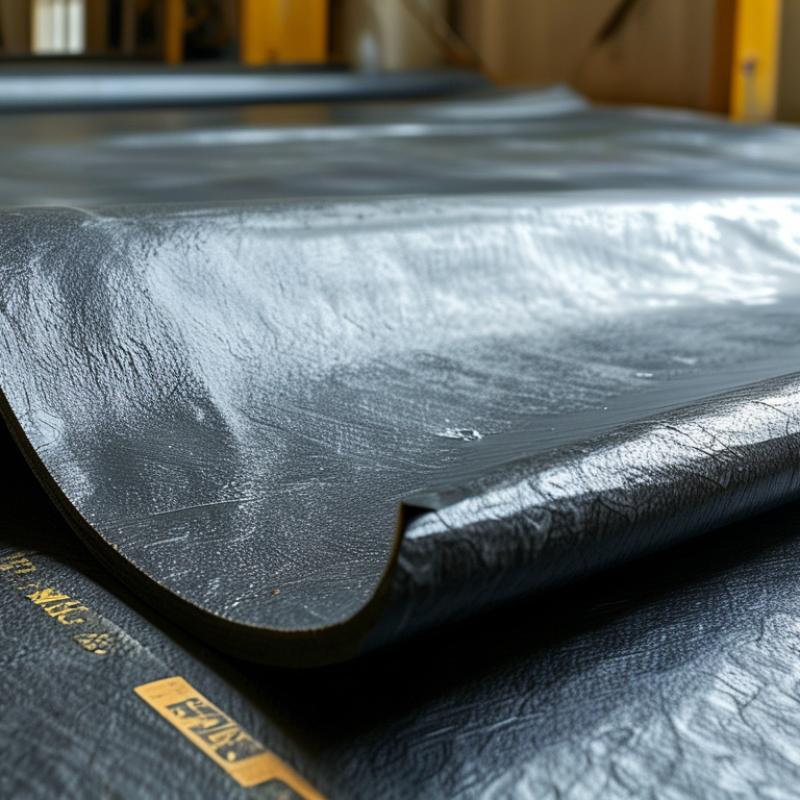
Black EPTFE membranes stand out for their unique properties, making them an excellent choice for various projects. These membranes are known for their exceptional chemical resistance, enabling them to withstand harsh environments. Their hydrophobic nature allows them to repel water while still being permeable to gases. This characteristic is crucial for industries requiring reliable moisture control without sacrificing airflow.
Furthermore, the black coloration contributes to heat absorption. This feature can be beneficial in applications where temperature management is essential. However, the use of black EPTFE membranes does have its challenges. The darker color may lead to heat-related degradation if not properly monitored. It's essential to assess the application carefully.
Despite these considerations, the advantages of black EPTFE membranes often outweigh potential drawbacks. Their durability ensures long-term performance and reliability. Engineers appreciate that these membranes require minimal maintenance, making them a cost-effective option over time. Understanding these unique properties can guide informed decisions, ensuring the success of your projects.
Why Choose Black EPTFE Membrane for Your 2026 Projects?
This chart illustrates the unique properties and applications of Black EPTFE membranes compared to traditional membranes, showcasing their advantages in various project categories.
Applications of Black EPTFE Membranes in Various Industries
Black EPTFE membranes have gained traction across various industries for their unique properties. They are chemically resistant and can endure extreme temperatures. This durability is crucial in industries like chemical processing and pharmaceuticals, where failure is not an option. The lightweight nature of these membranes also makes them a top choice for the aerospace sector, which demands efficiency without compromising safety.
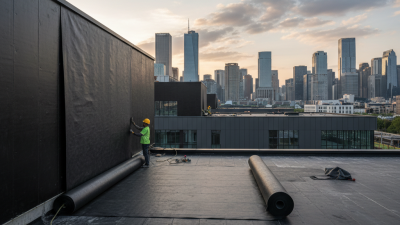
In the environmental sector, black EPTFE membranes serve an essential role in filtration. They help in water treatment and air purification processes. Their ability to repel water while allowing gases to pass through is valuable. However, their performance may fluctuate with varying environmental conditions. In construction, these membranes are prized for waterproofing applications, but installation requires expertise to ensure efficacy.
Despite their advantages, one must recognize potential downsides. For instance, black EPTFE membranes can be costly. This could hinder adoption in cost-sensitive markets. Also, understanding the full scope of their longevity in diverse environments is still evolving. More research is needed to optimize their use in innovative applications.
Advantages of Using Black EPTFE Membranes in Construction Projects
Black expanded polytetrafluoroethylene (EPTFE) membranes are becoming a popular choice in the construction industry. Their unique properties offer many advantages for various projects. For example, EPTFE membranes are known for their exceptional chemical resistance and durability. This makes them suitable for challenging environments. According to a recent industry report, over 75% of construction experts prefer EPTFE for waterproofing applications.
In addition to their resilience, black EPTFE membranes provide excellent thermal insulation. These membranes can lower energy costs by maintaining consistent temperatures in buildings. The insulation properties can decrease heating and cooling expenses by up to 30%. This efficiency is crucial in today's energy-conscious market.
Tip: When selecting materials, consider the long-term benefits of EPTFE membranes. They may require a higher initial investment, but the lifecycle savings are significant.
Notably, black EPTFE membranes also improve aesthetics and integration with modern designs. Their uniform appearance and adaptability allow architects to create striking visuals without compromising functionality. However, not all projects may benefit equally. It's essential to assess specific project needs before making decisions. Relying solely on one type of membrane could limit creative options and performance outcomes.
Comparison of Black EPTFE Membranes with Other Membrane Materials
When considering membrane materials, black EPTFE membranes stand out. Their unique properties make them a preferred choice for many applications. Compared to traditional membranes, black EPTFE offers superior thermal stability and chemical resistance. This means they can handle harsh environments better, making them suitable for industrial projects.
Other membrane materials may offer flexibility, but black EPTFE membranes provide consistent performance over time. They resist UV degradation and are less prone to damage from environmental factors. In situations where reliability is crucial, these membranes can be invaluable. However, their initial installation costs can be higher than alternatives. This is an important factor to consider in budget planning.
Some may also question the long-term benefits of black EPTFE membranes. While they exhibit excellent durability, proper maintenance is essential for maximizing lifespan. Over time, users might notice wear in less durable membranes, leading to higher replacement costs. Understanding these aspects is crucial for making an informed decision in the long run.
Future Trends and Innovations in Black EPTFE Membrane Technology
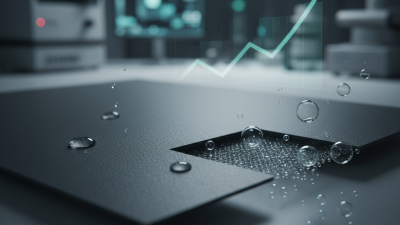
The black ePTFE membrane technology is evolving, with significant advancements anticipated through 2026. Industry reports indicate that the global market for ePTFE membranes is projected to reach $3 billion by 2026, showcasing a compound annual growth rate (CAGR) of 5.8%. This growth hints at the increasing reliance on ePTFE membranes across various sectors, including construction, automotive, and healthcare.
Innovations in black ePTFE membranes are driving interest due to their unique properties. These membranes exhibit superior chemical resistance and thermal stability. Recent studies show that black ePTFE membranes can withstand temperatures up to 260°C, which is critical for high-performance applications. However, challenges remain. The manufacturing process can be intricate and may lead to inconsistencies in product quality. Future innovations must address these issues while enhancing sustainability.
Emerging trends suggest that incorporating nanotechnology could refine the performance of black ePTFE membranes. Research indicates that adding nanoparticles could improve filtration efficiency and reduce energy consumption in various applications. While promising, reliance on new materials prompts questions about long-term effects on performance and environmental impact. As the industry progresses, stakeholders must remain vigilant and critical of these developments.