Inquiry
Form loading...

How to Choose the Best Acoustic Vents for Your Project?

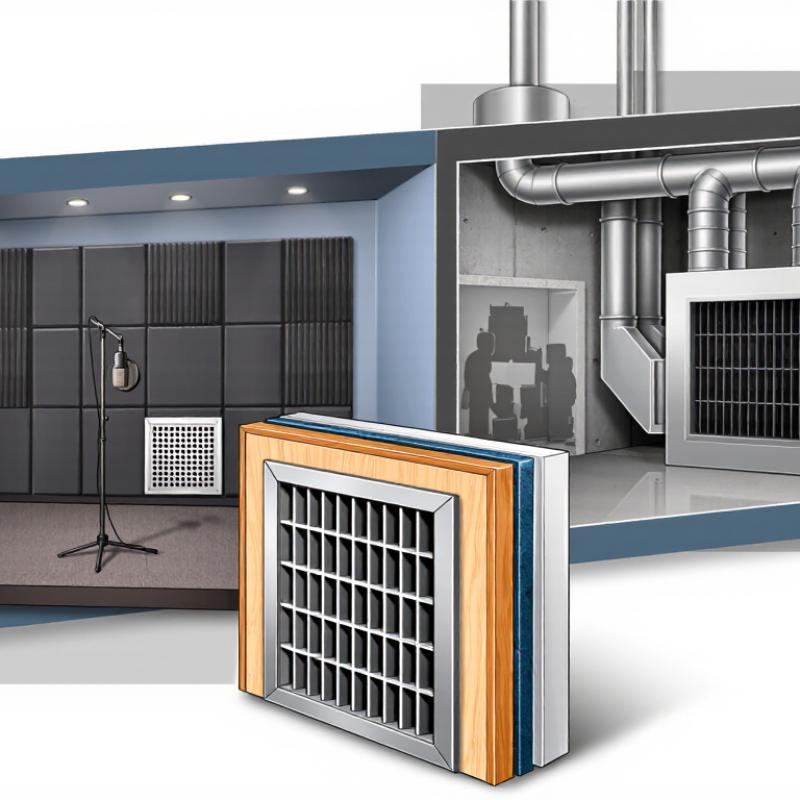
Choosing the best Acoustic Vents begins with the room’s real acoustic and ventilation demands. A recording studio needs controlled airflow without raising the noise floor. A mechanical room may accept more sound, but it still requires dependable pressure relief and safe airflow. Small details matter. A narrow vent beside a microphone can create an audible hiss. A poorly sealed frame can weaken an otherwise effective wall.

Dr. Trevor Cox, a professor of acoustic engineering and a respected acoustics author, has said, “Acoustics is not just about sound; it is about how sound affects people.” That principle should guide every selection. Review the vent’s insertion loss, airflow capacity, pressure drop, free area, and frequency performance. Do not rely on a single decibel figure. Low-frequency ventilation noise can remain noticeable, even when a product appears quiet on paper. Check laboratory data, installation conditions, and the complete wall or door assembly. Ask whether the product has suitable fire, smoke, moisture, and corrosion certifications for the project location.

Experience also teaches caution. The most expensive Acoustic Vents are not automatically the best choice. A deeper silencer may improve attenuation, yet it can restrict airflow or consume valuable wall space. A compact model may fit beautifully, but perform poorly at low frequencies. There is no perfect answer. Recheck the calculations. Speak with the manufacturer. Then compare performance, maintenance access, durability, and compliance before choosing. Good ventilation should disappear into the room. If occupants notice it, something deserves another look.
How to Choose the Best Acoustic Vents for Your Project?

Define Your Project’s Acoustic and Environmental Requirements

When choosing acoustic vents, start by defining the sound problem, not by browsing product tables. Measure the dominant frequencies, sound pressure level, and acceptable insertion loss at the enclosure boundary. A vent that performs well at 1,000 hertz may provide little benefit against low-frequency machinery noise. Record the available opening, wall thickness, airflow path, and mounting direction. Small details matter. During site assessments, I also ask whether people need speech intelligibility or only general noise reduction.

Environmental requirements must be equally specific. Note operating temperature, humidity, dust, water exposure, salt, cleaning agents, and vibration. For outdoor equipment, examine the required ingress protection level and drainage arrangement. An acoustically efficient vent can fail if its membrane clogs with dust or its frame corrodes. Check airflow resistance at the actual fan flow rate, rather than relying on a nominal value. Thermal calculations should include the vent, enclosure, heat sources, and seasonal conditions. That step is often skipped.

Translate these findings into measurable acceptance criteria. Specify minimum acoustic attenuation by frequency band, maximum pressure drop, temperature range, and material compatibility. Ask for test methods, tolerances, and installation instructions. Independent laboratory data is useful, but field verification remains important. Inspect seals, fasteners, and clearances after installation. My first estimate is not always right. I have seen excellent laboratory results weakened by a poorly aligned gasket. Allow access for cleaning and replacement. Perfect specifications are rare. Leave room for review when the operating environment changes.

Compare Vent Types, Materials, and Soundproofing Performance

Choosing an acoustic vent starts with the sound path, not the catalogue photograph. A simple transfer grille moves air through an open core, but it offers limited isolation. Baffled vents use angled passages to reduce direct sound travel. Ducted attenuated vents add internal absorption and usually provide stronger soundproofing. That extra control requires more space and creates greater airflow resistance. Measure the opening.

Material affects durability, weight, and acoustic behavior. Galvanized steel suits plant rooms and high-traffic areas, while aluminum works well where corrosion resistance matters. ABS plastic is lightweight, but it may feel less robust in commercial spaces. Internal mineral wool or acoustic foam can absorb sound effectively when properly protected from moisture. Check tested insertion loss, airflow rate, and pressure drop together. A high sound rating means little if the vent restricts ventilation.

During a studio retrofit, we tested a baffled vent beside an open grille. The baffled model reduced voices more clearly, yet the room became slightly warmer. We also found a poorly sealed frame leaking sound around the vent. That detail changed our installation method. Use acoustic sealant, firm fixings, and a continuous gasket. Laboratory results are useful, but site conditions can be untidy. I still allow extra clearance for maintenance, even when the drawing looks perfect.

Evaluate Airflow, Pressure Loss, and Ventilation Efficiency

How to Choose the Best Acoustic Vents for Your Project?

Airflow should be measured before acoustic performance is compared. Estimate the room’s required air changes and the vent’s effective free area. A vent may look large but contain narrow passages and dense acoustic material. I have seen installations where the grille passed less air than expected. Check the manufacturer’s airflow curve at the actual pressure difference, not only its maximum rating. Short sentences matter. Test the real condition.

Pressure loss directly affects fan energy and ventilation reliability. Compare vents at the design airflow, such as 150 cubic metres per hour, and record the pressure drop in pascals. A high-loss vent can make a quiet fan work harder. That may increase noise elsewhere in the system. Keep the pressure drop within the fan’s useful operating range. If possible, verify readings with a calibrated manometer after installation.

Ventilation efficiency also depends on placement and room layout. A vent behind furniture may create stagnant zones, even with acceptable airflow. Place intake and exhaust openings to support clean air movement across occupied areas. Measure airflow at several points, rather than trusting one central reading. Small errors happen. Dust, filters, and installation gaps can change performance over time. I would leave access for inspection, because a perfect design on paper can become disappointing in service.

Check Installation Methods, Dimensions, and Maintenance Needs

Choosing an acoustic vent requires more than comparing noise ratings. Installation method affects both airflow and sound control. Surface-mounted vents suit finished walls and ceilings, while recessed models provide a cleaner appearance. Duct-connected units need accurate alignment and secure joints. A small gap around the frame can transmit unexpected noise. Use the recommended seal, but do not crush the gasket during fixing.

Measure the structural opening, not only the visible vent face. Check width, height, depth, free area, and required service clearance. A larger face does not always provide better airflow. Confirm pressure drop at the planned air volume, especially in bedrooms, studios, and meeting rooms. Leave enough space to remove the grille later. This detail is often ignored. It becomes frustrating when a ceiling panel blocks access.

Maintenance needs should influence the design from the beginning. Choose a removable faceplate when regular cleaning is expected. Dust can collect on acoustic lining and reduce airflow over time. Inspect vents after the first few months, then adjust the schedule according to dust levels and room use. Clean surfaces gently, following the supplier’s care instructions. Avoid soaking sound-absorbing materials unless they are specifically rated for moisture. In practice, even a well-designed vent may underperform when furniture, insulation, or paint obstructs the opening. Check the finished installation, not just the drawing.

Select the Best Acoustic Vent for Long-Term Project Value

Selecting an acoustic vent is a long-term value decision, not a decorative choice. The vent must preserve airflow while limiting noise transfer through the building envelope. ASHRAE’s 2023 HVAC Applications Handbook places many office environments around NC 30–35. That target can quickly fail when a vent has weak acoustic data or excessive pressure loss.

Ask for tested performance, not optimistic claims. ISO 10140 and ASTM E90 provide recognized laboratory methods for measuring sound insulation. However, laboratory results rarely match a dusty rooftop, humid plant room, or poorly sealed wall. Check sound transmission loss, insertion loss, airflow volume, pressure drop, and frequency bands. A vent rated at 500 Hz may perform poorly against low-frequency fan noise. That detail is often missed.

Long-term value also depends on materials and maintenance access. Corrosion-resistant construction can reduce replacement risk in coastal or industrial locations. Removable acoustic media makes inspection easier, but it may reduce performance after repeated cleaning. The WHO Environmental Noise Guidelines for the European Region recommend less than 40 dB Lnight outdoors to protect healthy sleep. This is not a direct vent specification, yet it shows why noise control deserves early design attention. In my experience, teams often select the quietest product on paper. They later discover that airflow, access, or installation space was ignored. That is an uncomfortable mistake. A balanced acoustic vent usually protects comfort, operating efficiency, and future refurbishment budgets better than a single-number purchase.

How to Choose the Best Acoustic Vent for Long-Term Project Value

Compare the required sound attenuation across standard octave-band frequencies before selecting an acoustic vent. Higher attenuation targets can improve noise control, but airflow, pressure drop, environmental protection, and maintenance requirements should also be verified against the project specification.

The chart shows illustrative early-stage screening targets in decibels (dB) across commonly assessed octave bands. Confirm final performance with independent test reports, installation conditions, and the applicable acoustic and ingress-protection requirements.