Top 5 Acoustic Eptfe Membrane Solutions for Your Needs?
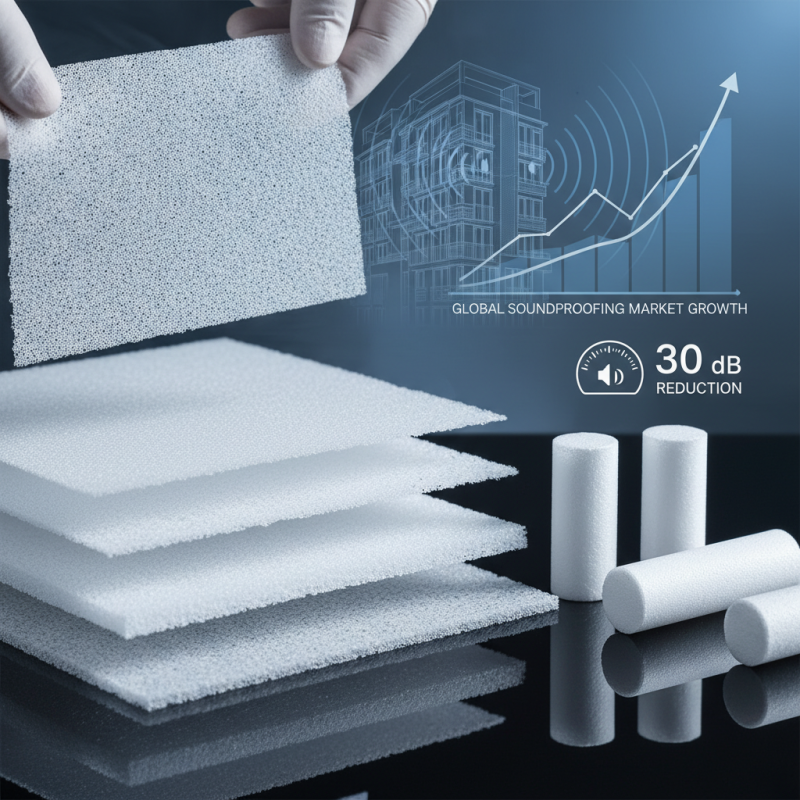
In recent years, the demand for superior soundproofing solutions has surged. Acoustic Eptfe membrane technologies have emerged as frontrunners in this field. Market reports show that soundproofing industries are projected to grow by 5.8% annually, highlighting the increasing reliance on acoustic materials.
The Acoustic Eptfe Membrane stands out due to its exceptional sound attenuation properties. Test results indicate that these membranes reduce noise transmission by up to 30 dB in certain applications. This remarkable performance has made them a preferred choice for architects and engineers, ensuring quieter environments in various settings. However, selecting the right solution can be overwhelming, given the plethora of options available.
Amid the available choices, it’s essential to recognize that not all membranes are created equal. Factors such as installation method, environmental conditions, and specific acoustic needs can greatly influence performance. Reflecting on these elements can help users avoid common pitfalls when making a selection. Ultimately, understanding these nuances will lead to better decision-making and more effective sound management solutions.
Understanding Acoustic EPTFE Membranes: Definition and Benefits
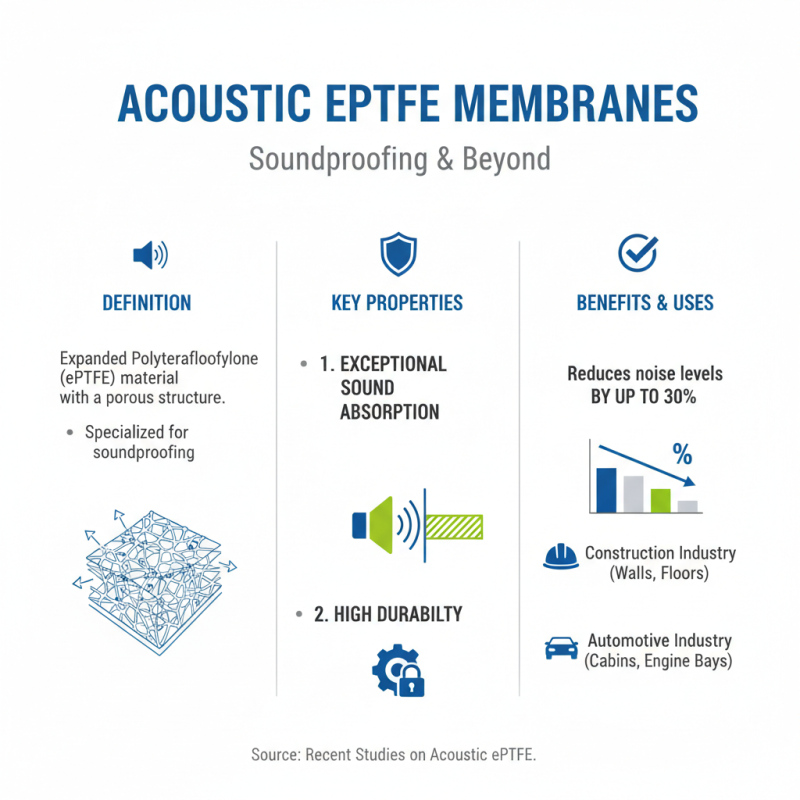
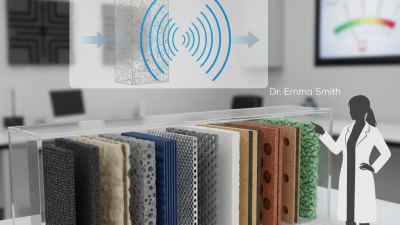
Acoustic EPTFE membranes are essential in soundproofing applications. These specialized membranes have unique properties derived from expanded polytetrafluoroethylene (ePTFE). Their porous structure allows for exceptional sound absorption while maintaining durability. According to recent studies, ePTFE membranes can reduce noise levels by up to 30% in specific environments, making them a popular choice in construction and automotive industries.
One significant benefit of acoustic EPTFE membranes is their lightweight nature. This feature enables easy installation without adding excessive weight to structures. Additionally, they are resistant to moisture and chemicals, enhancing their longevity. Industry reports highlight that buildings utilizing acoustic membranes experience fewer issues related to noise pollution. Yet, the installation process can be complex and may require professional expertise.
Despite their advantages, some challenges remain. Proper sizing and installation are critical. A poorly fitted membrane may underperform, negating its soundproofing benefits. Moreover, sourcing high-quality materials can sometimes be problematic. Professionals in the field often stress the importance of reliable suppliers to ensure optimal performance. Therefore, while acoustic EPTFE membranes offer significant benefits, careful consideration and execution are paramount for achieving ideal results.
Key Features to Consider When Selecting Acoustic EPTFE Membranes
When selecting acoustic ePTFE membranes, key features play a crucial role. It’s essential to evaluate the material’s sound absorption capabilities. Acoustic performance varies, impacted by thickness and pore size. A balanced structure ensures the right frequencies are dampened effectively. Smaller pores typically enhance sound absorption but might restrict air flow. Finding the right balance is often challenging.
Durability is another consideration. Membranes should withstand environmental factors like moisture and temperature changes. Longevity impacts maintenance costs. A membrane that degrades quickly will not only create noise issues but also lead to wasted resources. Consider the construction type as well; different applications may require unique properties.
Ease of installation is necessary too. Complicated systems can lead to errors. User-friendly designs save time and labor costs. It's wise to assess if specialized tools are needed for installation. Do not overlook real-world case studies when evaluating options. Learning from others’ experiences can highlight potential pitfalls.
Top 5 Acoustic EPTFE Membrane Solutions Comparison
Top 5 Acoustic EPTFE Membrane Products for Diverse Applications
Acoustic EPTFE membranes are gaining traction across various industries. Their unique properties enhance soundproofing and provide effective noise control. Research indicates that these membranes can reduce sound transmission by up to 40 decibels. This feature makes them invaluable in settings like concert halls and recording studios, where acoustics are crucial.
In the realm of construction, the demand for energy-efficient materials is ever-growing. Acoustic EPTFE membranes stand out due to their lightweight nature and excellent weather resistance. They can be incorporated into building facades and roofing systems, combining aesthetics with functionality. A study found that buildings installed with such membranes experienced a 25% reduction in energy costs linked to HVAC systems.
Despite their advantages, it's essential to choose the right product for specific needs. Variations in thickness and pore size can significantly influence performance. Many users may overlook the importance of these factors, leading to less than optimal results. Understanding these technical details can enhance the effectiveness of noise control measures.
Comparative Analysis of Performance Metrics in Acoustic EPTFE Solutions
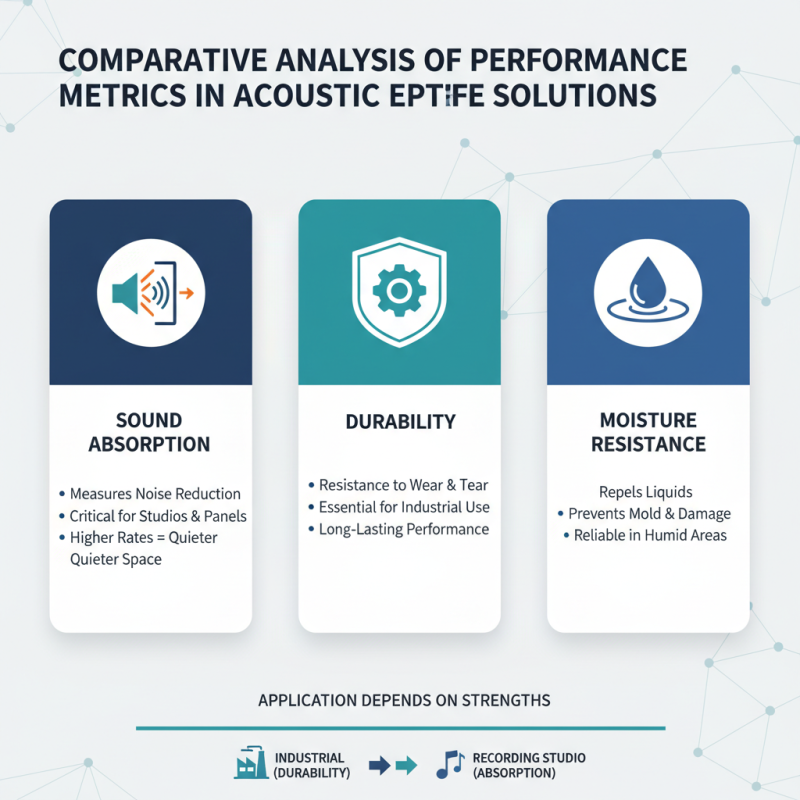
When evaluating acoustic ePTFE membranes, performance metrics are critical. Sound absorption, durability, and moisture resistance stand out as key measures. Each application may demand different strengths. For instance, industrial environments may prioritize durability over absorption. On the other hand, acoustic panels in recording studios often require higher sound absorption rates.
Understanding the specific requirements of your environment becomes essential. Some membranes excel in one area but falter in others. This uneven performance can lead to frustration if expectations are not aligned with actual capabilities. It's vital to conduct thorough testing and analysis prior to selection. Through real-world applications, discovering these nuances helps refine your choices.
Evaluating the right solution means looking beyond surface-level attributes. Installation methods play a part in final performance, too. Difficulties in fitting or maintaining the membranes may not be immediately apparent during initial assessments. User feedback and expert opinions can clarify these hidden challenges. Therefore, considering all aspects can lead to a more informed decision.
Installation and Maintenance Tips for Optimal Acoustic EPTFE Functionality
When installing acoustic EPTFE membranes, proper technique is crucial. Begin by ensuring the installation area is clean and dry. This helps the membrane adhere better. Pay attention to the temperature and humidity levels during installation. Extreme conditions can affect performance. A poorly installed membrane may lead to gaps, diminishing its acoustic properties.
Regular maintenance is essential to preserve functionality. Inspect the membranes for any signs of wear or damage. Clean them gently with non-abrasive materials. Consider environmental factors, as dust and pollutants can accumulate over time. If you notice significant deterioration, it might be time for replacement. Remember, neglecting maintenance can compromise sound insulation quality.
Communication with professionals can enhance your understanding. Seek advice from experts during installation and maintenance. They can provide insights tailored to your specific needs. The complexity of acoustic EPTFE systems requires ongoing evaluation. Regular feedback helps identify potential issues early on. This proactive approach can prevent costly repairs and ensure optimal performance.