Top Acoustic Vent Innovations for Improved Soundproofing Solutions?
In modern architectural design, the significance of effective soundproofing cannot be overstated. Acoustic vents have emerged as a pivotal element in promoting sound insulation while ensuring proper airflow. Recent industry reports indicate that nearly 30% of residential complaints pertain to noise disturbances. This underlines the necessity for innovative solutions like acoustic vents that can bridge the gap between ventilation and sound control.
Research shows that integrating acoustic vent technology into building materials can reduce sound transmission by up to 50%. This innovation not only enhances comfort but also contributes to improved well-being in residential and commercial spaces. With the right acoustic vent systems, noise pollution can be significantly mitigated. However, selecting the appropriate vent design requires careful consideration to align with specific environmental needs.
As the demand for peaceful living and working spaces rises, manufacturers are continually exploring ways to enhance acoustic vent effectiveness. Yet, many solutions still require refining to optimize performance fully. The acoustic vent landscape is evolving, presenting both challenges and opportunities for improvement. Balancing aesthetics with functionality remains a critical area for future exploration.
Emerging Trends in Acoustic Vent Technology for Soundproofing
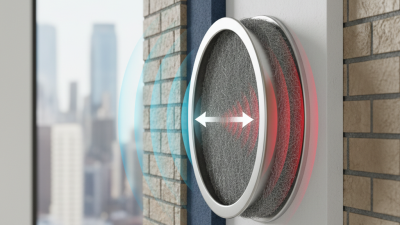
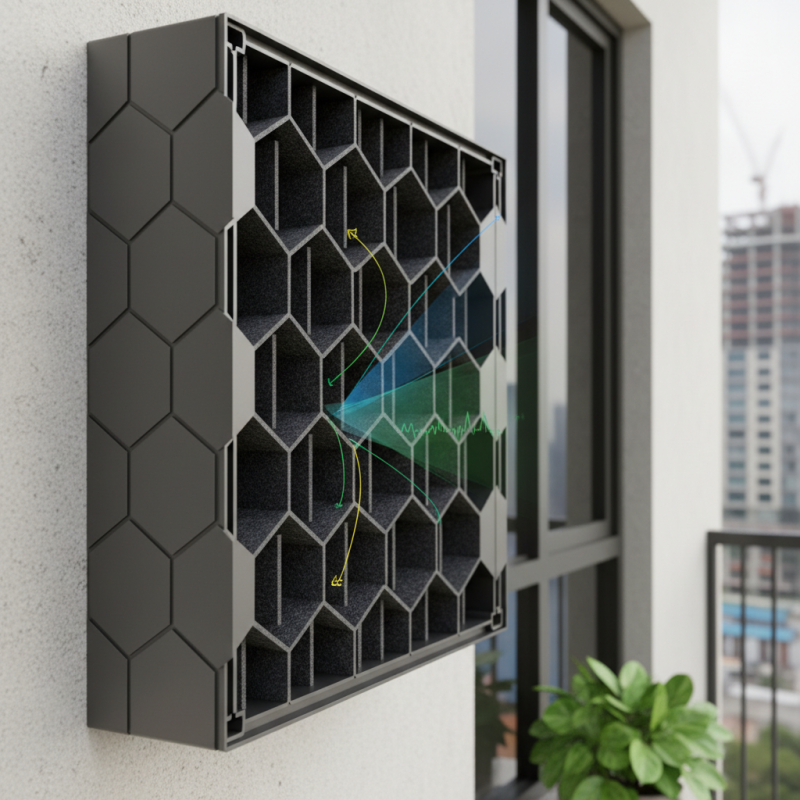
Emerging trends in acoustic vent technology focus on improving soundproofing solutions in various environments. As sound control becomes increasingly vital, innovations like multi-layered vent designs are gaining traction. These designs incorporate different materials, each selected for its unique properties in sound absorption. The result is a more effective barrier against noise transmission, creating quieter spaces in homes and offices.
Tips: Always consider the space where you intend to install acoustic vents. The effectiveness may vary based on room size and material. It’s crucial to assess if your current setup allows for optimal sound attenuation. Regularly check your vents for dust accumulation; clean vents enhance soundproofing.
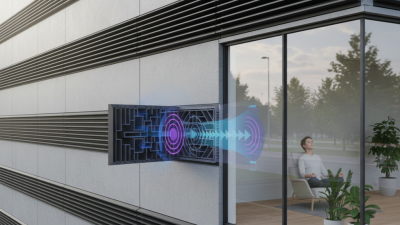
Another trend is the integration of smart technology. Acoustic vents equipped with sensors can adapt to changing noise levels. These advanced systems promise not only to reduce unwanted sound but also improve air circulation. However, they can be complex and may require regular updates. Users should be prepared for possible learning curves to maximize their benefits.
Tips: Research the compatibility of smart vents with your home automation systems. This can prevent future frustrations and improve overall functionality. Keep in mind, not every space needs high-tech solutions; sometimes simpler designs work best.
Understanding the Mechanisms Behind Acoustic Vent Innovations
Soundproofing has evolved significantly with the latest acoustic vent innovations. These advancements focus on minimizing noise pollution while maintaining airflow. Research indicates that high-performance acoustic vents can reduce unwanted sound transmission by up to 70%. The technology behind these vents relies on complex mechanisms like Helmholtz resonators and computational fluid dynamics.
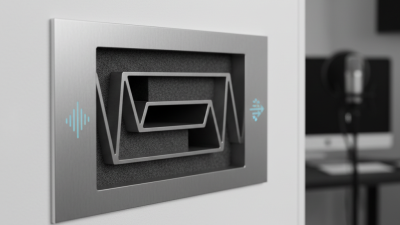
Understanding acoustic vent mechanisms reveals their effectiveness. Helmholtz resonators target specific frequencies to absorb sound, transforming them into negligible vibrations. Moreover, computational fluid dynamics forecasts optimal airflow paths. This ensures no compromise on ventilation, which is essential for indoor environments. The combination of sound absorption and efficient airflow is critical for modern design.
Not all solutions are perfect. Some acoustic vents may not suit every environment. Factors like installation placement and material compatibility can affect performance. It's vital for designers to assess individual project needs and test various configurations. Continuous innovation is key, but it's essential to understand limitations for real-world applications. Each space has unique challenges, and a one-size-fits-all approach may lead to unsatisfactory results.
Comparative Analysis of Traditional vs. Modern Acoustic Vent Solutions
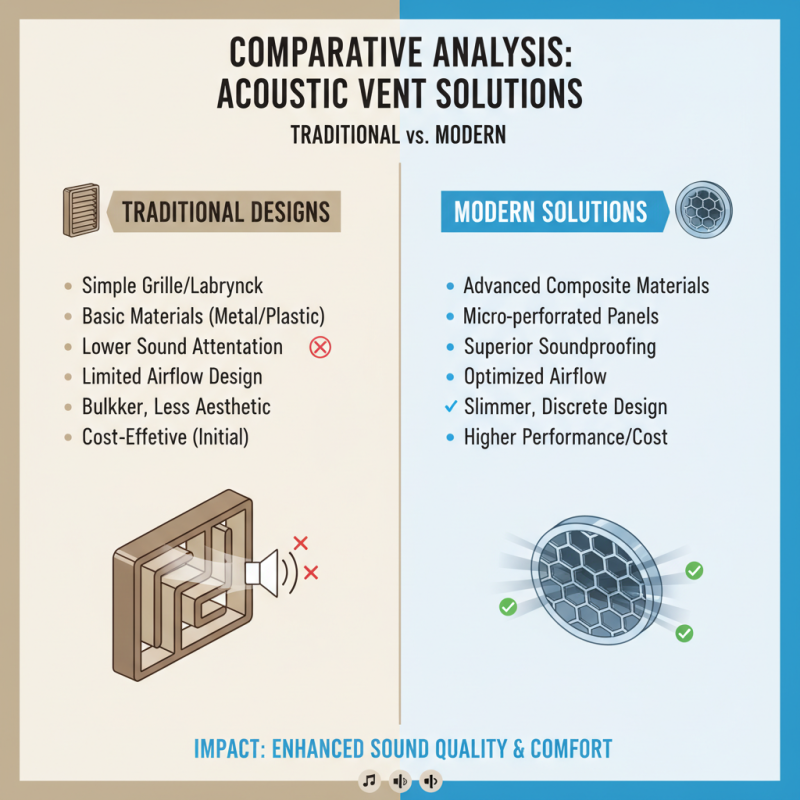
Acoustic vents play a crucial role in soundproofing. Traditional designs often lack efficiency. Modern acoustic vents utilize advanced materials and technologies. This helps minimize sound transmission more effectively. The difference between the two can significantly impact sound quality in various spaces, from recording studios to home theaters.
Tips: When selecting acoustic vents, consider the material's sound absorption properties. Look for products that provide detailed specifications. This ensures better performance in your specific environment.
Modern acoustic vents often feature additional layers. These layers enhance sound dampening. Traditional vents, while simpler, may not provide the same level of isolation. It's essential to evaluate your specific acoustical needs. A deep understanding of sound behavior can inform your choices.
Tips: Aim for a balance between aesthetics and functionality. Sometimes, more complex solutions may not be appropriate for every setting. Always test the acoustic performance before finalizing any installation. This ensures your investment yields optimal results.
Evaluating the Impact of Acoustic Vents on Noise Reduction
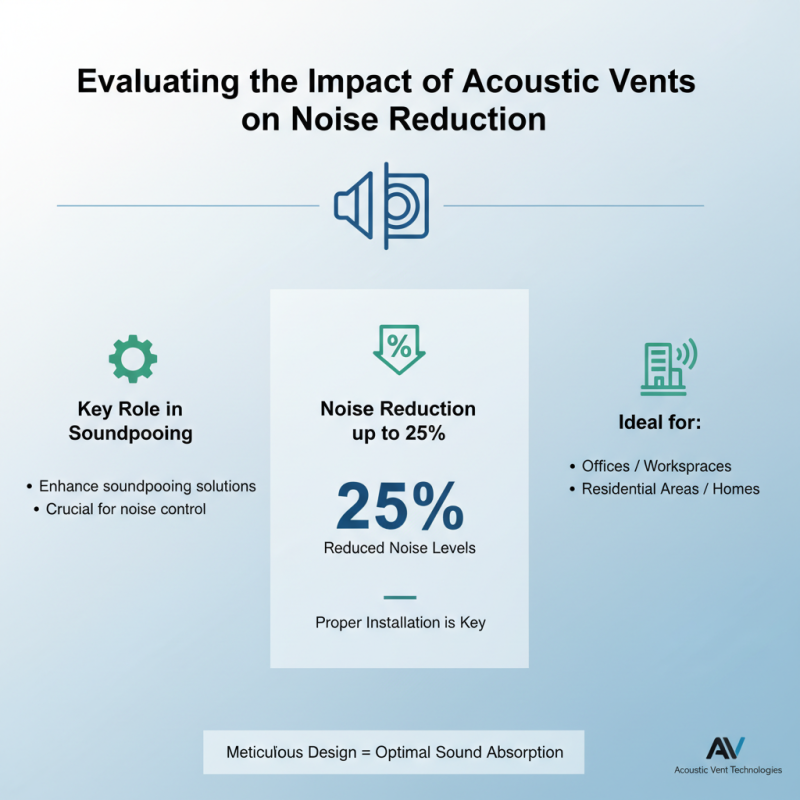
Acoustic vents play a crucial role in enhancing soundproofing solutions. Research indicates that proper installation of these vents can reduce noise levels by up to 25%. This improvement significantly impacts environments where noise control is essential, such as offices and residential areas. By meticulously designing these vents, manufacturers have achieved optimal sound absorption characteristics.
The effectiveness of acoustic vents largely depends on their placement and construction. For instance, vents integrated with acoustic panels can mitigate sound transmission effectively. A study found that implementing these solutions reduced distracting noise significantly, making workspaces more productive. However, not all designs yield the same results. In some assessments, poorly constructed vents provided minimal noise reduction, highlighting the need for thorough evaluation.
Moreover, while many acoustic vents claim high performance, inconsistencies arise from varying materials and designs. Some designs may not be compatible with all settings, leading to subpar results. On the other hand, the right products can transform a noisy environment into a serene space, demonstrating the potential of technological advancements in acoustic engineering. Effectively utilizing these innovations requires continuous research and attention to detail.
Future Directions in Acoustic Vent Design and Application
The realm of acoustic vent design is rapidly evolving. Recent studies indicate that up to 70% of sound transmission in buildings occurs through ventilation systems. This highlights the urgent need for innovative solutions that prioritize soundproofing.
Advanced materials, such as sound-absorbing foams and acoustic baffles, are gaining traction. These techniques can significantly reduce noise levels in residential and commercial spaces.
A shift towards modular designs is noticeable in the industry. This approach allows for easier integration of acoustic vents into existing structures. Designers are exploring options that incorporate
active noise control systems. Such systems can adapt in real time to changing sound environments. While these innovations promise improved sound isolation, challenges remain. The balance between airflow and acoustic performance is complex and still under evaluation.
Emerging research emphasizes the importance of data-driven approaches in acoustic vent applications. Measuring sound transmission loss in real-world scenarios is essential. Manufacturers are urged to collaborate with acoustics experts to refine their products. Increased design flexibility and a focus on sustainability are also critical. This aligns with a growing demand for environmentally friendly construction practices.
The future of acoustic vents hinges on these innovations for effective and reliable soundproofing.