Top 5 Tips for Choosing the Right Acoustic Vent for Your Space?
When designing a space, the choice of an Acoustic Vent can significantly impact sound quality and airflow. Understanding its importance can enhance both comfort and functionality. Acoustic Vents are often overlooked but can improve the acoustics of a room while allowing for adequate ventilation.
Selecting the right Acoustic Vent requires careful consideration of various factors. One must evaluate the size, design, and materials used. These choices influence the overall effectiveness of sound absorption and airflow. Room type also matters; a recording studio has different needs compared to a living area.
While many may believe a standard vent suffices, specialized Acoustic Vents can yield better results. Research shows that improving acoustics is not just about aesthetics; it affects mood and productivity. It's essential to reflect on your specific needs and potential compromises when choosing the right Acoustic Vent for your space.

Understanding Acoustic Vents and Their Importance for Your Space
Acoustic vents play a crucial role in maintaining the sound quality of your space. These systems help reduce noise pollution, ensuring a tranquil environment. Understanding their importance allows you to choose the best options for your needs.
When selecting an acoustic vent, consider the room's purpose. Different environments, like offices or studios, require distinct solutions. Assess the type of noise you wish to mitigate. For example, reverberations in a large hall differ from echoes in a small room.
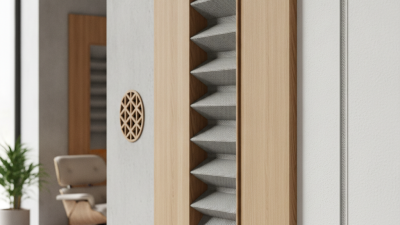
One essential tip involves examining the material of the vent. Various materials absorb sound differently. Wood, for instance, offers a warm aesthetic but may not be as effective as synthetic options. Also, pay attention to placement. The vent's location influences its effectiveness. Ventilation paths can either enhance or diminish sound control.
Consider the design as well. An attractive vent can complement your decor while serving its function. Some designs are versatile, suitable for both modern and traditional spaces. Explore various styles that align with your taste and needs.
Key Factors to Consider When Selecting Acoustic Vents
Choosing the right acoustic vent for your space involves considering several key factors. The ventilation design impacts sound absorption. If you have a studio or a home theater, look for vents that minimize noise leakage. Placement is crucial. Installing vents in areas that receive direct sound can amplify disturbances.
Material choice affects performance too. Different materials absorb sound differently. Wood, for instance, has a unique resonance. It can enhance or dampen sound. On the other hand, metal may reflect sound, creating echoes. Evaluate the acoustics of your room before making a decision.
Consider aesthetics alongside functionality. Acoustic vents come in various designs. Some blend seamlessly into ceilings or walls, while others draw attention. Striking the right balance can enhance the overall look of your space. An appealing design can elevate both form and function. Think about the vent size too. Too large or small could disrupt the flow of sound. Each detail matters in creating an optimal acoustic environment.
Different Types of Acoustic Vents and Their Applications
When selecting the right acoustic vent, understanding the different types available is essential. Acoustic vents can significantly impact sound quality in a space. There are passive vents that allow sound absorption without any mechanical aid. These are typically made with materials designed to dampen sound waves. They work well in places where controlled acoustics are needed.
Active vents use electric or mechanical systems to manage sound. These vents can adapt to changing conditions. They might be more complex and expensive. However, they provide precise control over sound levels. Their application is often found in recording studios or high-end home theaters where acoustics are critical.
Choosing between these types also involves considering the space itself. Size and purpose of the room matter. A small office may require less aggressive sound management than a concert hall. Sometimes, trial and error is needed. You might install a type and find it doesn’t perform as expected. This process is part of discovering what best suits your environment.
How to Assess the Size and Placement for Optimal Performance
Choosing the right acoustic vent involves careful consideration of size and placement. Assessing your space's dimensions is crucial. Measure the room's height, width, and length. Smaller spaces may require compact vents, while larger areas could need multiple units to ensure effective sound management. A vent that is too small may limit airflow, while one that is too large can disrupt the aesthetic.
Placement plays a vital role in optimal performance. Identify areas where sound waves collect. Corners often trap sound, so positioning vents there can help. However, each room has its unique acoustics. Experimenting with different locations might yield surprising results. Hanging a vent near a window or open space might enhance sound distribution, but it’s essential to test and adjust based on your observations.
Consider how furniture and fixtures affect sound flow as well. Sometimes, placing a vent behind a couch or near bookshelves can create a warm acoustic atmosphere. These nuanced details influence performance. It’s a balance between function and design. Be open to trial and error. Reflection on past choices can lead to better decisions in sound management for your environment.
Tips for Maintaining and Upgrading Your Acoustic Vent System
When maintaining your acoustic vent system, regular inspections are essential. Industry studies indicate that environments with consistent acoustic treatment experience a 30% reduction in reverberation time. Checking for dust and debris buildup can significantly improve vocal clarity. Ensuring the vent is free from obstructions helps maintain optimal performance.
Upgrading your system can also yield impressive results. A report by the Acoustical Society of America states that modern acoustic vents can improve sound absorption efficiency by up to 25%. Consider integrating technology, such as automated control systems that adapt to environmental changes. Reflecting on past modifications can guide future improvements, emphasizing the need for continual assessment.
Neglecting maintenance can lead to inefficiencies. A poorly maintained acoustic vent might lead to uneven sound quality, affecting productivity. Keeping a log of regular checks and system performance will help identify patterns. Remember, reflection on what works and what requires change is crucial to ensuring long-term effectiveness.